Introduction
Free teaching tools for teachers encompass downloadable pedagogical resources, administrative templates, and instructional aids designed to optimize classroom management and lesson delivery without financial overhead. Structured educational environments rely heavily on reliable, reproducible materials to maintain instructional momentum and track student progress effectively. According to the RAND Corporation American Teacher Panel, educators spend an average of six hours per week sourcing and creating instructional materials outside of contract hours. Utilizing established digital repositories for free teaching tools for teachers dramatically reduces out-of-pocket expenses and preparation time, allowing educators to focus entirely on direct instruction and student engagement.
Quick Key Takeaways:
- Core Focus: Free teaching tools for teachers provide accessible, high-quality printables and instructional assets for diverse educational settings.
- Target User: Classroom educators, homeschool parents, and educational facilitators seeking cost-effective organizational solutions.
- Key Recommendation: Curate a centralized digital binder categorized by subject area and developmental stage to streamline daily lesson preparation.
What This Printable Covers
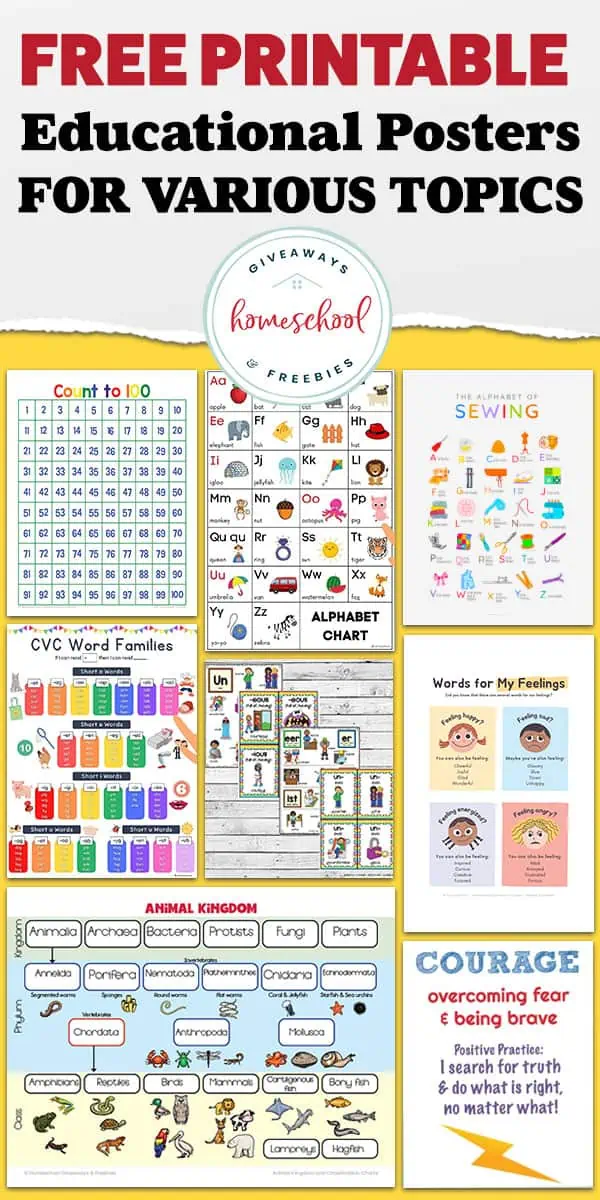
These resources cover a comprehensive spectrum of educational needs, bridging the gap between rigorous Academic skill acquisition and efficient daily organization. The assets include targeted practice drills, formative assessment matrices, and structured Worksheet layouts designed for immediate integration into existing lesson plans. Furthermore, foundational programs often incorporate elements suitable for Early Learning environments, ensuring young learners build robust cognitive baselines through scaffolded activities. Administrative burdens are equally addressed through comprehensive Administrative logs, grading sheets, and attendance trackers. Finally, continuous Personal Growth is supported via reflective journals and goal-setting templates tailored for both instructors and advanced students.
Key Learning Outcomes
Implementation of these standardized materials directly supports enhanced information retention, improved task completion rates, and systematic progress monitoring. Students develop stronger independent problem-solving skills through repetitive, scaffolded practice exercises, while educators achieve greater instructional alignment with established curricular standards. Additionally, consistent utilization of structured templates fosters superior time-management habits and self-regulation among learners of all ages. Related guide: Annual Teaching Plan.
Overview & Skill Breakdown
| Focus Area | Target Skill | Best Practice |
|---|---|---|
| Academic Core | Critical reasoning and subject mastery | Pair independent drills with collaborative peer reviews. |
| Administrative Flow | Time management and record-keeping | Update tracking logs daily to maintain accurate metrics. |
| Developmental Support | Foundational motor and cognitive skills | Integrate multisensory prompts alongside static printables. |
How to Use This Worksheet
Effective deployment of these educational assets requires careful alignment with current instructional objectives and learner readiness levels. Educators typically distribute these materials during the guided practice phase of a lesson or assign them as independent reinforcement tasks to solidify newly introduced concepts. Digital files can be printed in bulk for physical manipulation, laminated for reusable dry-erase stations, or distributed digitally for hybrid learning environments.
Practical Tips for Success
Preparation involves pre-sorting materials by objective and reviewing readability levels to ensure seamless classroom execution. During execution, circulate the room to provide immediate corrective feedback and identify students who require targeted intervention. Extension activities can easily be introduced by pairing completed foundational tasks with advanced open-ended prompt cards to challenge high-achieving learners.
Stage-Appropriate Recommendations
Instructional design must adapt to the developmental stage of the participant, shifting from highly scaffolded, visual-heavy layouts for beginners to autonomous, analytical formats for advanced learners. According to the National Association for the Education of Young Children (NAEYC) guidelines for developmentally appropriate practice, learning materials must match the concrete cognitive abilities of the participants while gently challenging their current mastery thresholds. Utilizing structured frameworks ensures that resources neither overwhelm novices nor bore advanced practitioners.
Educators spend approximately 6 hours weekly sourcing instructional materials, highlighting the demand for centralized free teaching tools for teachers — RAND Corporation American Teacher Panel
Frequently Asked Questions
Explore More Free Printable Resources
Discover an extensive library of educational assets, templates, and learning aids designed to support every stage of the instructional journey. Visit the full collection today at Free Printable For You to elevate your learning environment.
Images References