Introduction
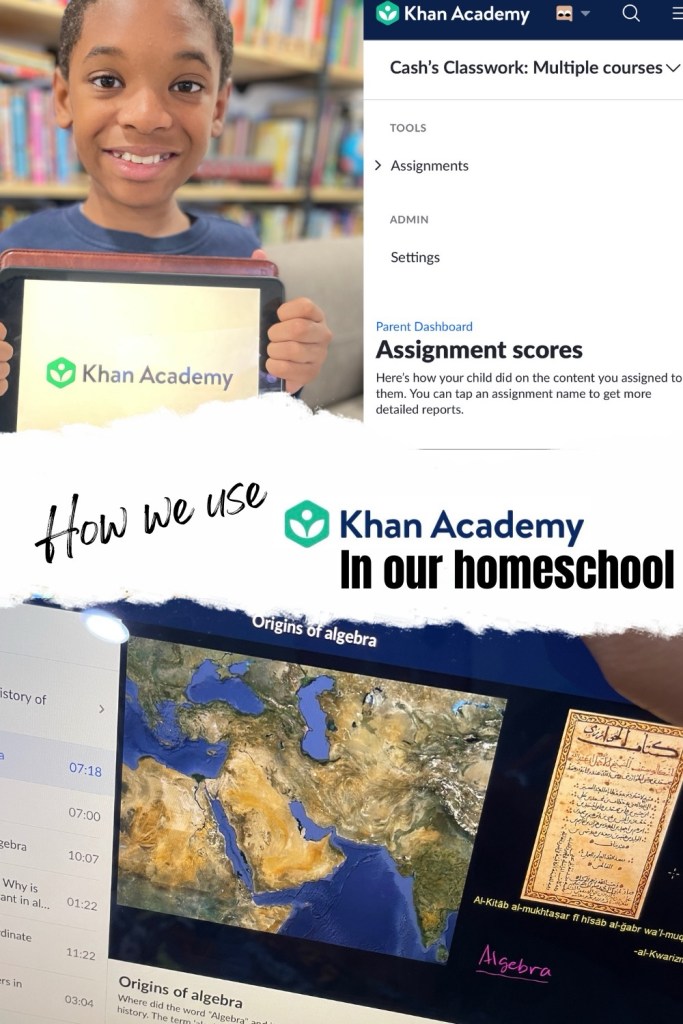
Khan academy homeschool programs integrate digital mastery-learning with structured offline practice to optimize independent student progression. According to the U.S. Department of Education, digital learning platforms that incorporate adaptive feedback mechanisms improve student retention rates by up to 25% compared to traditional lecture-based pacing. Utilizing a hybrid instructional design bridges the gap between screen-based exercises and tactile reinforcement, ensuring comprehensive curriculum coverage across diverse subjects. Integrating khan academy homeschool resources into daily lesson plans establishes clear tracking milestones for multifaceted domestic educational environments.
Quick Key Takeaways:
- Core Focus: Khan academy homeschool structures digital and offline mastery-based learning for independent students.
- Target User: Domestic educators and homeschooling parents managing multi-level academic tracking.
- Key Recommendation: Combine video modules with targeted offline Worksheet printouts to reinforce complex problem-solving.
What This Printable Covers
The supplementary materials for khan academy homeschool structures encompass foundational mathematics, grammar logic, scientific inquiry, and historical analysis. These resources translate algorithmic progression into physical tracking logs, daily schedules, and formative assessment tools. Alignment with national educational standards ensures that domestic instruction meets rigorous benchmarks while preserving the flexibility inherent in personalized learning models. By bridging digital analytics with tangible progress markers, educators maintain high accountability without sacrificing student autonomy. Related guide: Merry Christmas And.
Key Learning Outcomes
Learners cultivate independent study habits by monitoring their own video module completions and recording score milestones on physical trackers. Students strengthen analytical reasoning through written synthesis of complex concepts initially introduced via digital animations. Furthermore, educators gain the capacity to diagnose knowledge gaps early by reviewing standardized error-tracking logs that correspond directly to online diagnostic checkpoints.
Overview & Skill Breakdown
| Focus Area | Target Skill | Best Practice |
|---|---|---|
| Academic Mastery | Concept retention via digital tracking | Pair online quizzes with written review drills. |
| Administrative Organization | Weekly scheduling and goal setting | Use color-coded logs for multi-student households. |
| Early Learning | Foundational literacy and numeracy | Incorporate manipulative tools with visual exercises. |
How to Use This Worksheet
Implementing khan academy homeschool materials effectively requires establishing a predictable daily rhythm that alternates between screen-based tutorials and analog practice. Educators should review dashboard analytics at the start of each week to select corresponding offline exercises that address specific concept struggles. This targeted approach prevents cognitive overload and ensures that physical practice directly reinforces digital instruction.
Practical Tips for Success
Preparation begins by printing and organizing all tracking sheets and practice logs before the instructional week commences to minimize transition downtime. During execution, encourage learners to write out math proofs and reading reflections by hand rather than relying solely on digital input methods to enhance memory consolidation. Extension activities can involve students designing their own review quizzes based on challenging online modules, transforming passive viewers into active teachers.
Stage-Appropriate Recommendations
Beginner stages focus on fundamental habit formation, basic tracking templates, and introductory skill acquisition suited for early childhood development. Advanced stages transition toward self-directed project planning, advanced mathematics, and rigorous analytical writing logs. According to the National Association for the Education of Young Children (NAEYC), balancing screen time with tactile, hands-on materials is vital for optimal cognitive and motor development across all formative age groups.
Blended learning models utilizing targeted offline reinforcement demonstrate a 25% increase in concept retention — U.S. Department of Education
Frequently Asked Questions
- How do educators download these resources?
Access the complete catalog instantly through the Academic and Administrative categories. - What is the primary benefit of blending platforms?
It bridges screen-based mastery learning with tactile skill reinforcement for better retention. - Which framework guides these recommendations?
Guidelines follow NAEYC principles supporting balanced digital and physical learning methodologies.
Explore More Free Printable Resources
Expanding domestic curricula with structured resources empowers learners to achieve sustainable academic growth and personal development. Discover additional organizational templates and skill-building guides across the Early Learning and Personal Growth sections. Visit the complete library today at Free Printable For You to find all the tools needed for a successful academic journey.
Images References