Introduction
Missing alphabet exercises serve as targeted educational tools designed to reinforce letter recognition, sequential order, and cognitive processing through structured fill-in-the-blank activities. According to a study published by the National Institute of Child Health and Human Development, explicit instruction in letter identification and sequencing forms the bedrock of phonological awareness, significantly accelerating future reading fluency. By presenting learners with partially completed letter strings, these resources bridge the gap between passive memorization and active alphabetical retrieval. Explore more in our Educational Resources collection.
Quick Key Takeaways:
- Core Focus: Identifying and filling in absent letters within standardized alphabetical sequences.
- Target User: Early childhood educators, homeschool parents, and developmental specialists guiding young learners.
- Key Recommendation: Pair visual letter tracing with verbal recitation to reinforce memory retention.
What This Printable Covers
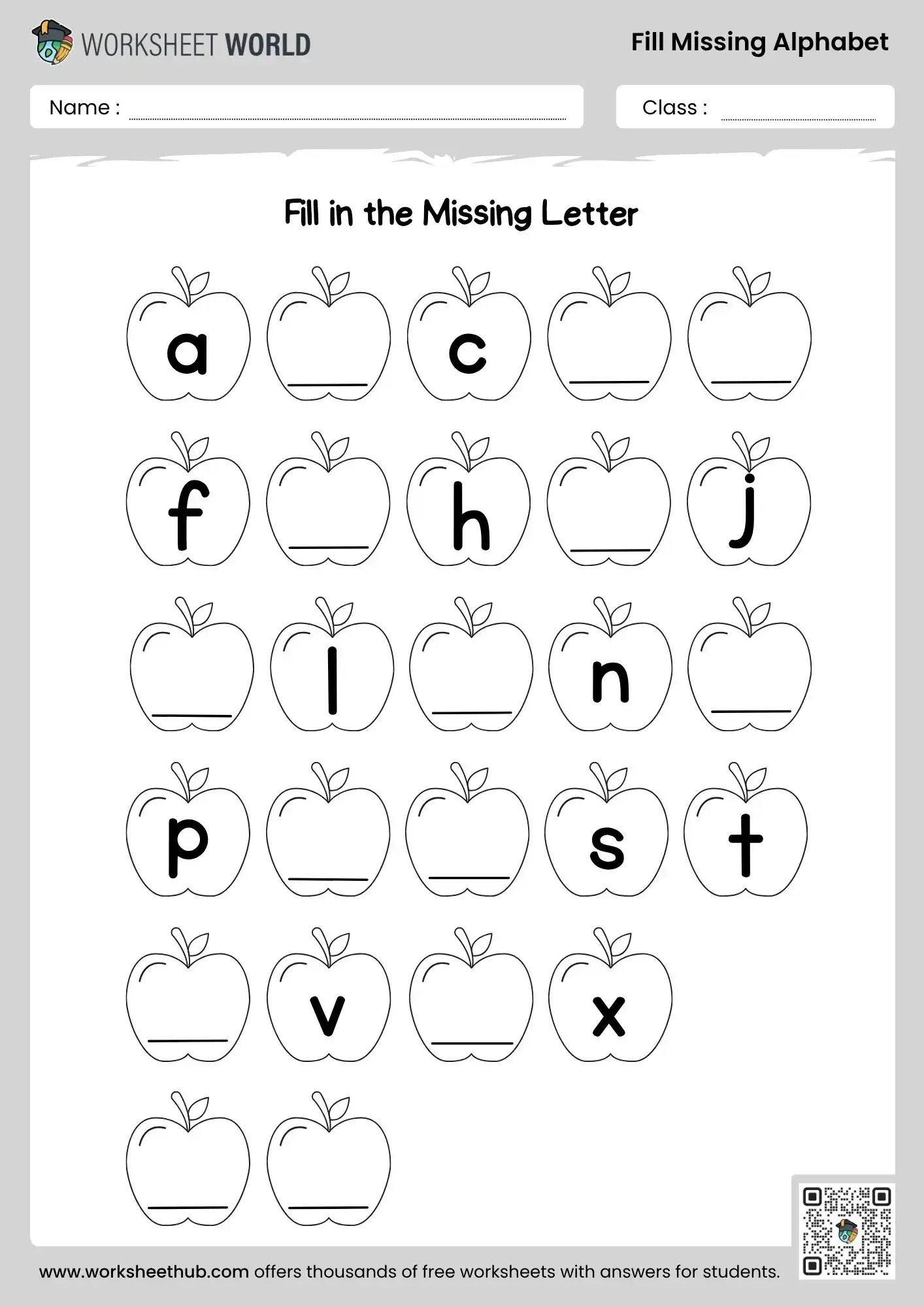
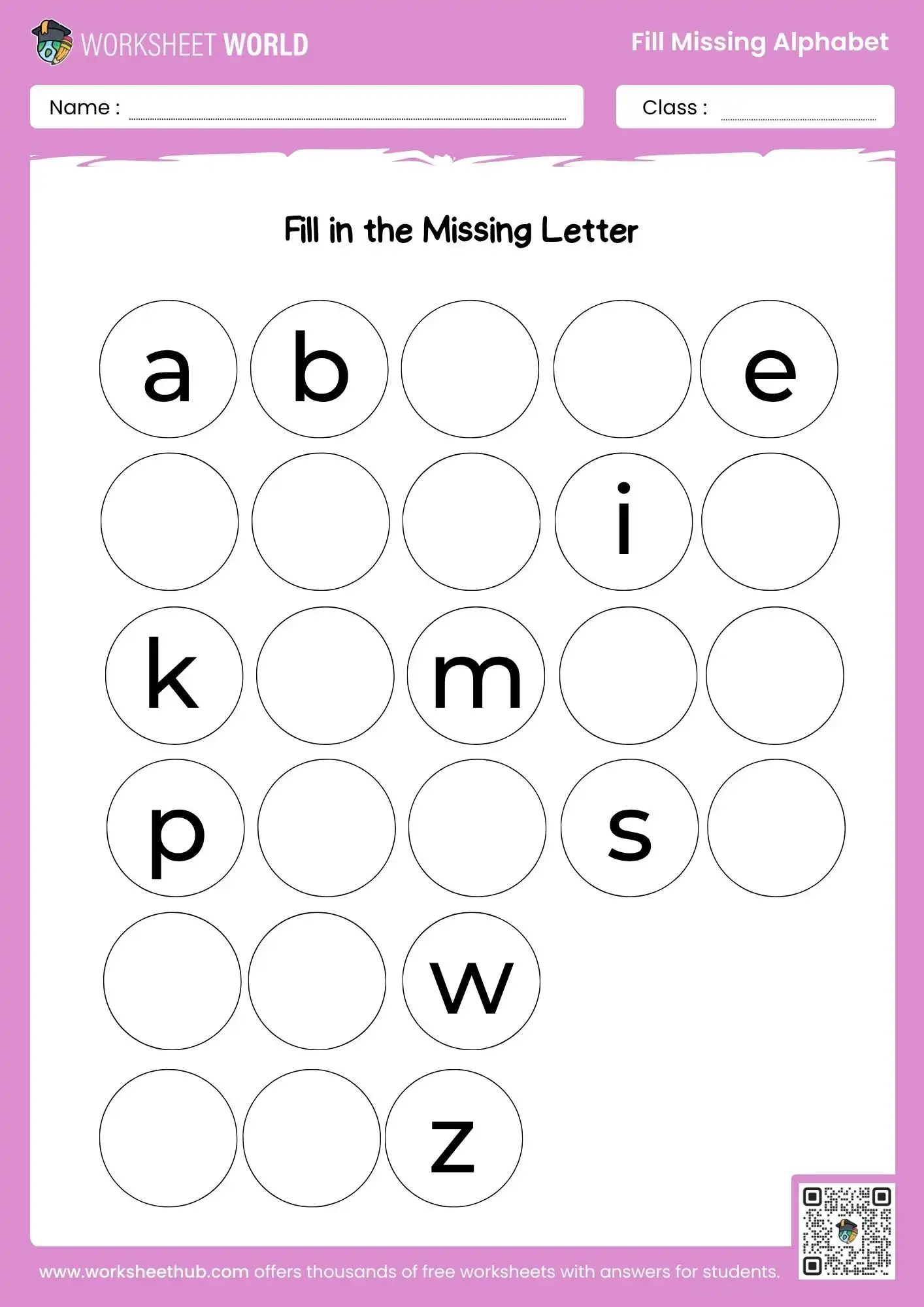
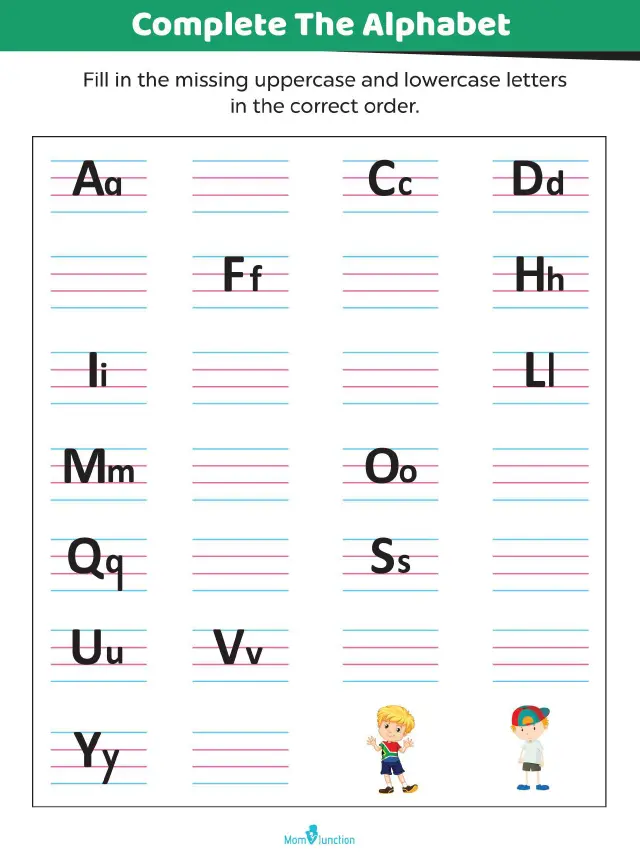
Missing alphabet templates systematically assess and build foundational literacy skills by requiring learners to deduce which letters have been intentionally omitted from standard A-to-Z sequences. Aligned with standards found in the Early Learning domain, these printables challenge students to look at surrounding context clues—such as preceding and succeeding letters—to correctly fill in the gaps. Beyond basic recall, the exercises require careful visual discrimination, distinguishing similarly shaped graphemes like ‘b’, ‘d’, ‘p’, and ‘q’ when they appear in sequence. These targeted Worksheet layouts provide structured practice that translates directly into broader Academic readiness.
Key Learning Outcomes
Completion of these sequential literacy exercises fosters robust alphabetical mastery by requiring students to mentally traverse the entire 26-letter system without relying on full visual prompts. Learners develop enhanced fine motor control through precise pencil manipulation required to write the missing letters into confined grid spaces or primary writing lines. Furthermore, the activities strengthen working memory, as children must hold the mental sequence of the alphabet steady while solving specific transitional gaps. Regular engagement with these structured prompts cultivates independent problem-solving habits and boosts academic confidence in early readers.
Overview & Skill Breakdown
| Focus Area | Target Skill | Best Practice |
|---|---|---|
| Sequence Recall | Visualizing alphabetical order | Recite aloud before writing |
| Letter Discrimination | Differentiating similar graphemes | Compare anchor letters carefully |
| Fine Motor Control | Letter formation and spacing | Use primary writing lines |
How to Use This Worksheet
Implementation of missing alphabet printables is highly flexible, supporting whole-class instruction, small group interventions, or independent morning work stations. Educators typically introduce the activity by having students recite the entire alphabet aloud while pointing to a master chart, establishing a baseline of familiarity. Next, learners examine the incomplete sequence, identify the missing gaps, and write the appropriate uppercase or lowercase letters into the designated slots. Self-correction is encouraged by providing a complete reference alphabet at the top of the page for initial guidance.
Practical Tips for Success
Preparation involves selecting worksheets that match current developmental milestones, beginning with simple missing end-letters before advancing to random mid-sequence deletions. During execution, encourage learners to trace the existing letters with a finger before attempting to pencil in the missing components, establishing tactile reinforcement. For meaningful extension, transform the printable into a hands-on manipulative activity by having children cover the missing spaces with magnetic letter tiles or wooden alphabet blocks instead of writing.
Stage-Appropriate Recommendations
According to National Association for the Education of Young Children (NAEYC) guidelines, sequential letter activities should be scaffolded based on developmental readiness, moving from recognizing missing initial letters for younger preschoolers to handling randomized multi-letter omissions for kindergarteners and first graders. Beginners benefit from worksheets where only one or two consecutive letters are missing at the end of a familiar sequence, reducing cognitive load. Advanced learners thrive when multiple non-consecutive lowercase letters are omitted, requiring high-level mental mapping of the entire alphabet system to successfully complete the task.
Systematic instruction in letter sequencing builds foundational cognitive frameworks — National Institute of Child Health and Human Development
Frequently Asked Questions
Explore More Free Printable Resources
Expanding a literacy toolkit involves exploring diverse educational materials designed to support every phase of the learning journey. Discover a comprehensive collection of supplementary exercises, organizational tools, and developmental guides by visiting the main library at Free Printable For You to support continuous growth today.
Images References