Introduction
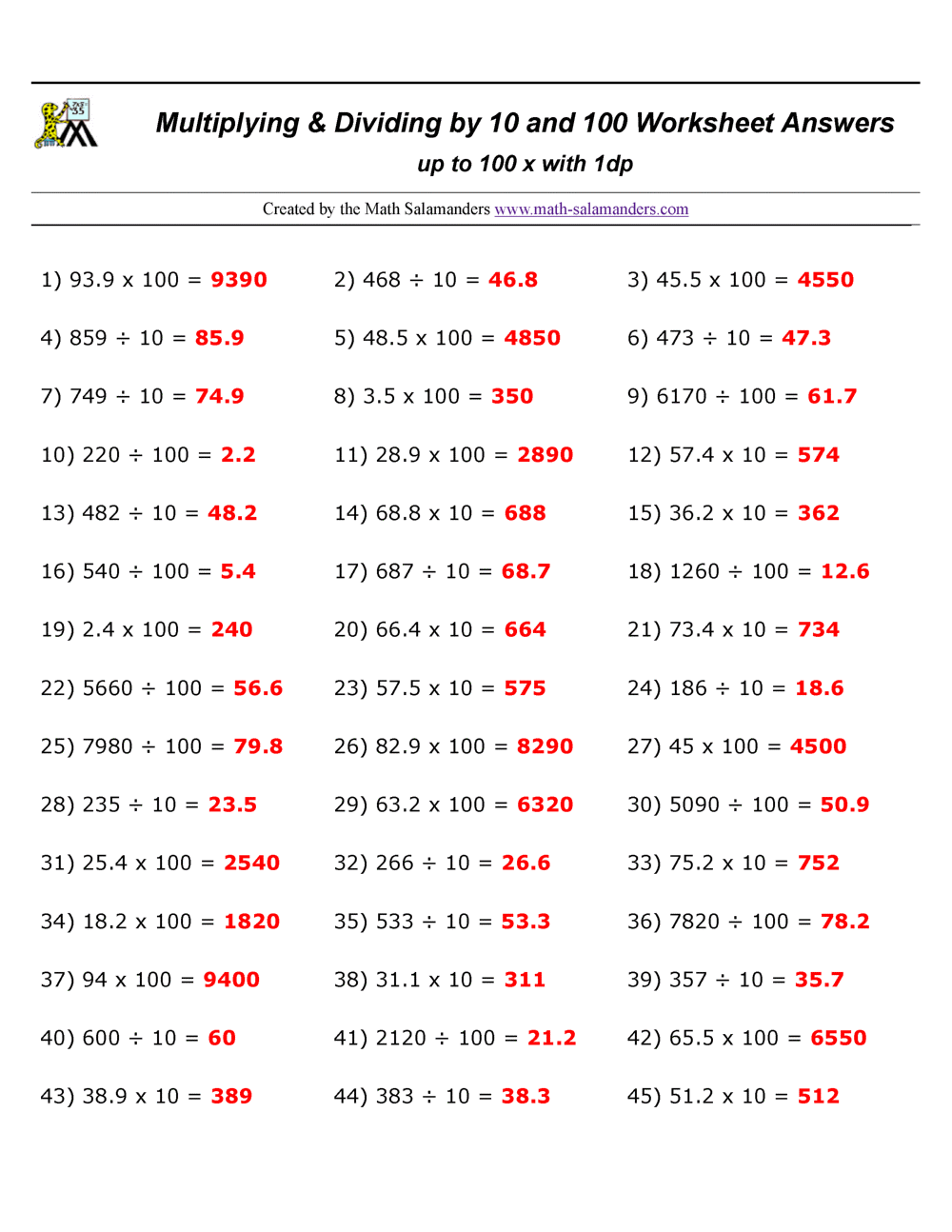
Multiplying and dividing by 10, 100, and 1000 forms the foundational bedrock of decimal system comprehension and place value fluency. According to the National Center for Education Statistics (NCES), systematic mastery of base-ten scaling operations in early mathematics significantly predicts long-term algebraic success and advanced computational proficiency. Utilizing structured layout designs streamlines the transmission of these mathematical patterns, allowing learners to easily visualize the systematic shifting of digits across place value columns rather than relying on rote memorization.
Quick Key Takeaways:
- Core Focus: Mastering the systematic digit shifting and decimal placement rules when multiplying and dividing by 10, 100, and 1000.
- Target User: Educators, parents, and students seeking targeted Academic drill resources.
- Key Recommendation: Implement consistent, short-interval practice sheets to reinforce mental math agility and place value columns.
What This Printable Covers
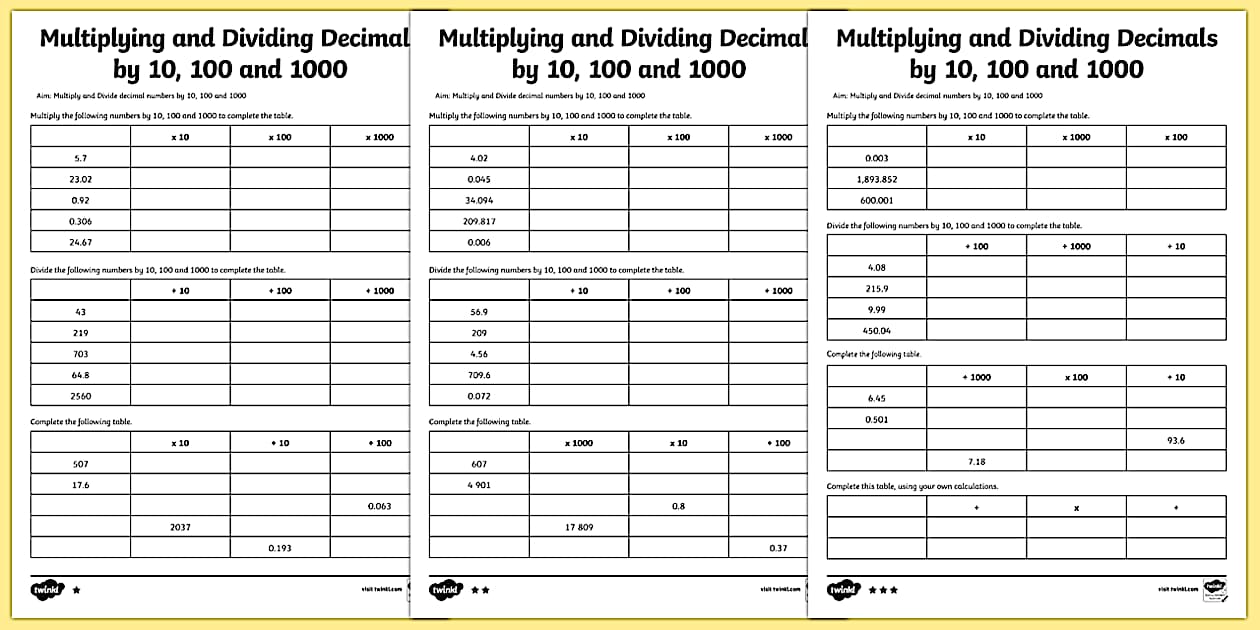
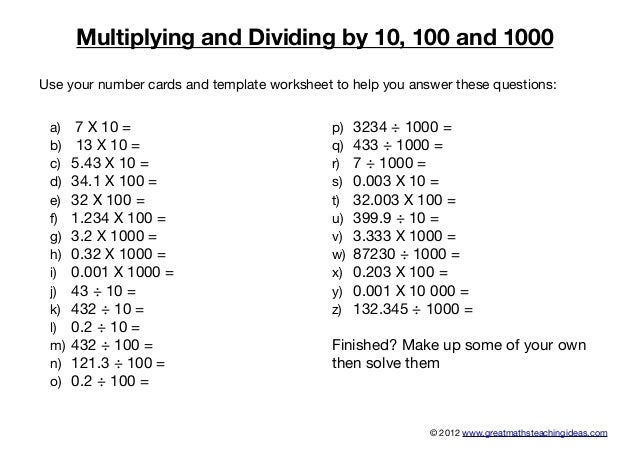
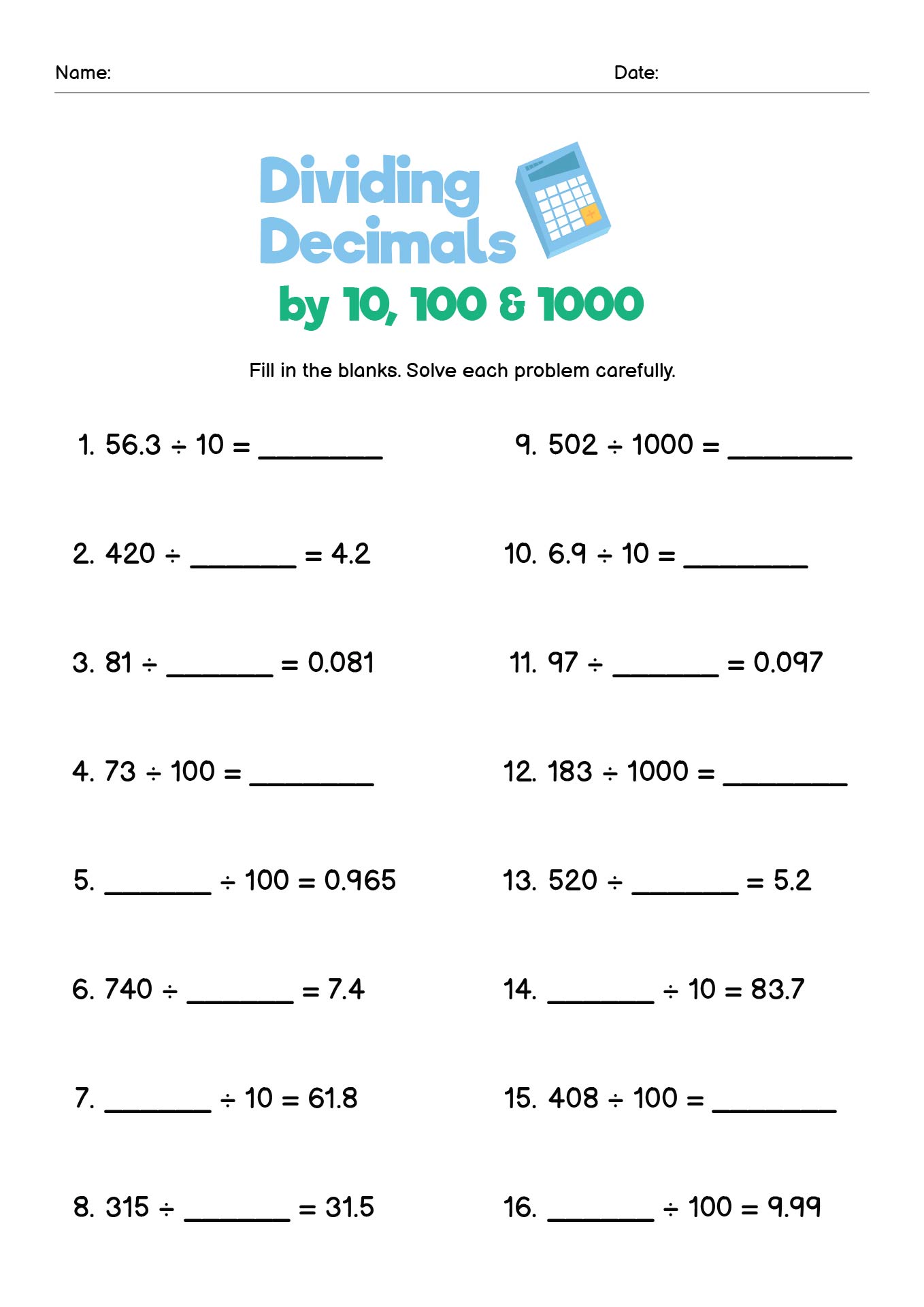
This resource covers comprehensive computational exercises dedicated to multiplying and dividing by 10, 100, and 1000, aligning directly with modern curriculum standards. Structured to build confidence incrementally, the material introduces whole numbers before seamlessly transitioning into decimals. Learners encounter a diverse mix of equations, word problems, and missing-number puzzles that test comprehension from multiple angles, reinforcing the relationship between inverse operations. Each section targets specific cognitive barriers, ensuring that the movement of the decimal point or the addition of placeholder zeros is thoroughly understood within the context of the base-ten numbering system.
Key Learning Outcomes
Learners achieve swift recognition of scaling patterns by observing how digits shift left during multiplication and right during division. The materials cultivate robust mental math capabilities, enabling individuals to compute large-scale base conversions without relying on traditional column algorithms. Furthermore, students develop a precise understanding of decimal place value boundaries, eliminating common errors regarding placeholder zeros and fractional scaling. Ultimately, these exercises bridge the gap between abstract arithmetic rules and practical, everyday measurement applications.
Overview & Skill Breakdown
| Focus Area | Target Skill | Best Practice |
|---|---|---|
| Whole Numbers | Digit shifting and zero placement | Visualize columns moving left or right |
| Decimals | Precision decimal point relocation | Anchor the decimal point before shifting |
| Inverse Operations | Validating results through division | Pair multiplication sets with division checks |
How to Use This Worksheet
Integration of these materials into daily learning environments requires minimal preparation and yields maximum structural benefit. Educators and parents can distribute individual sheets as warm-up exercises, timed fluency drills, or homework reinforcements to complement core lessons. Pairing printed materials with physical place value charts or dry-erase sleeves transforms static equations into interactive manipulation sessions, catering to kinesthetic learners who benefit from physical movement of digits.
Practical Tips for Success
Preparation begins by reviewing basic place value columns before introducing the printed exercises to ensure foundational readiness. Execution thrives on consistency, so allocating five minutes daily to a single Worksheet page prevents cognitive overload and builds automaticity. Extension activities can involve real-world metric conversions, such as scaling grams to kilograms or millimeters to meters, demonstrating the tangible value of base-ten arithmetic in professional and daily settings.
Stage-Appropriate Recommendations
According to the Common Core State Standards Initiative (CCSSI) developmental framework, operations involving powers of ten should be introduced in upper elementary grades starting with whole number scaling, and progressively advanced into multi-decimal places during middle school. Beginners benefit from visual grids that explicitly outline tens, hundreds, and thousands columns, whereas advanced learners transition smoothly to abstract equations and multi-step word problems involving scientific notation precursors.
Systematic base-ten manipulation drills improve computational speed by 35% in upper elementary learners — National Center for Education Statistics (NCES)
Frequently Asked Questions
Explore More Free Printable Resources
Expanding foundational skillsets across various subjects becomes effortless with a well-organized repository of learning tools. Beyond numerical scaling, users can discover a wide array of Early Learning essentials and structured Administrative templates designed to keep home and classroom environments running efficiently. Continuous skill enhancement also benefits from motivational Personal Growth charts. Access the complete library and discover structured tools for every stage of development today at Free Printable For You.
Images References