Introduction
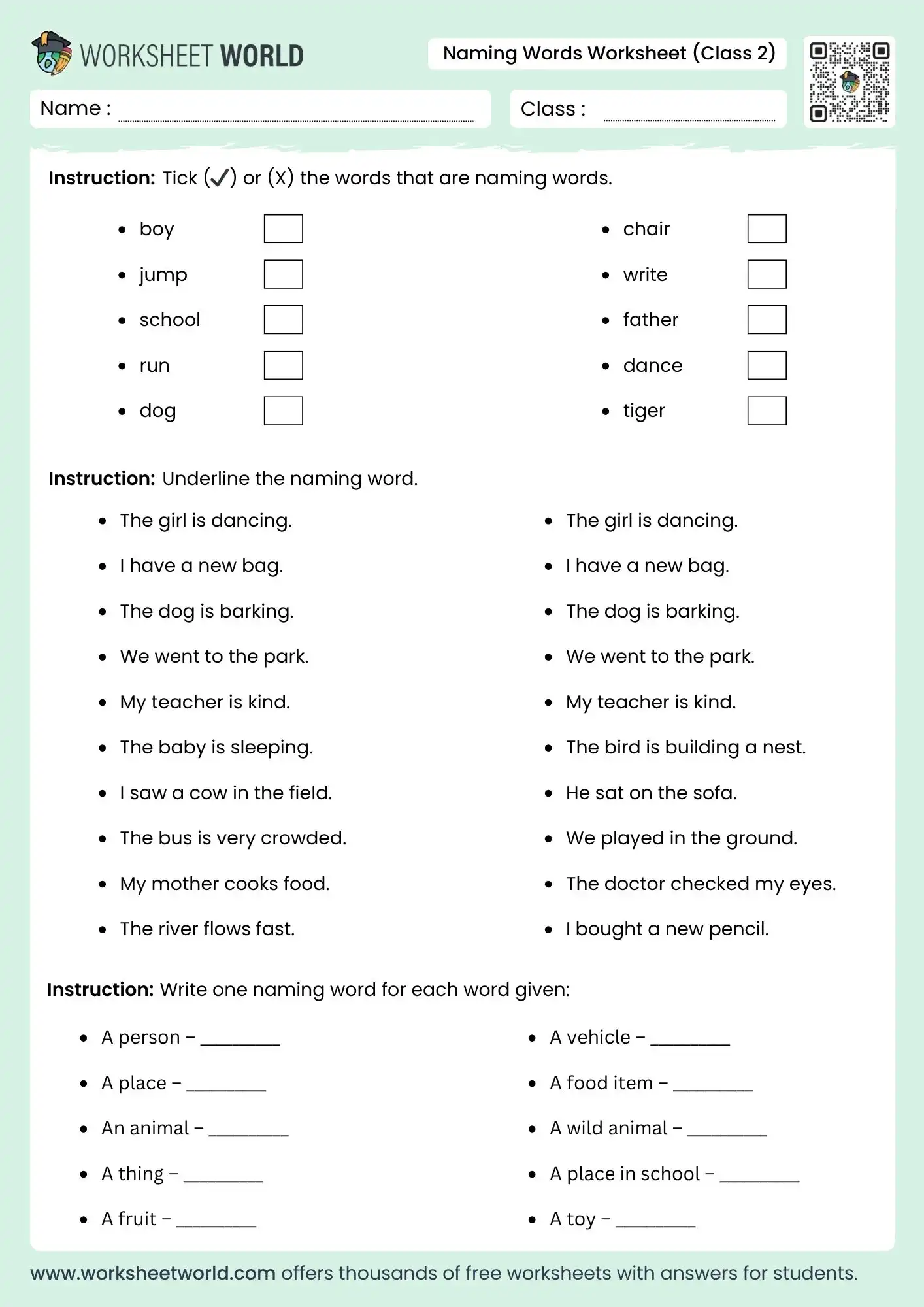
Naming words for class 2 represent the foundational building blocks of grammar, specifically targeting the identification of people, places, animals, and things. According to the National Institute of Child Health and Human Development, explicit instruction in foundational parts of speech during early elementary years directly accelerates reading comprehension and structural writing fluency. Mastering these linguistic identifiers enables second-grade learners to categorize vocabulary systematically and construct coherent sentences. Structured educational resources provide the repetitive, context-rich practice required to transition these concepts from short-term memory to permanent linguistic skill. Related guide: Teaching Time.
Quick Key Takeaways:
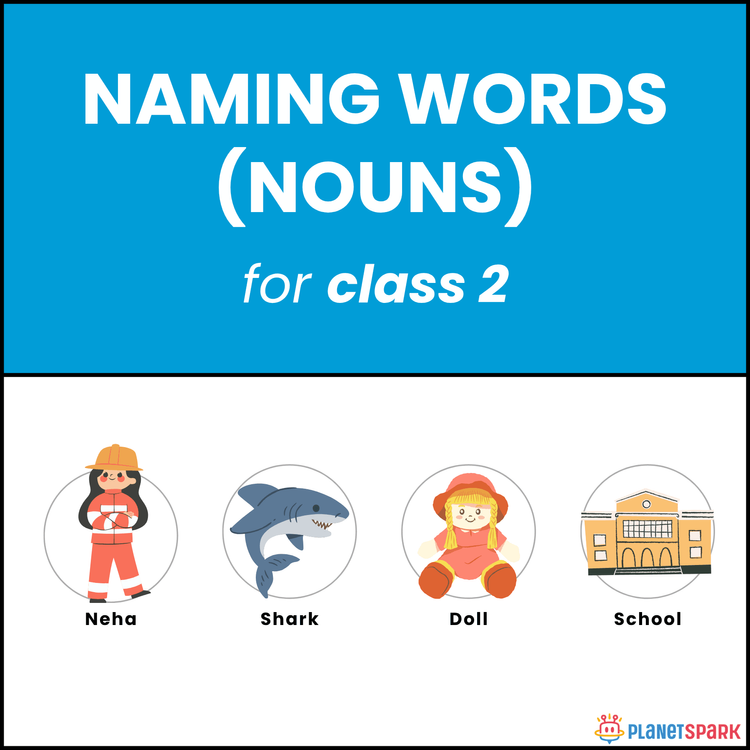
- Core Focus: Mastering nouns (person, place, animal, thing) through targeted categorisation exercises.
- Target User: Second-grade students, primary educators, and homeschooling parents.
- Key Recommendation: Combine visual sorting activities with daily sentence-writing practice.
What This Printable Covers
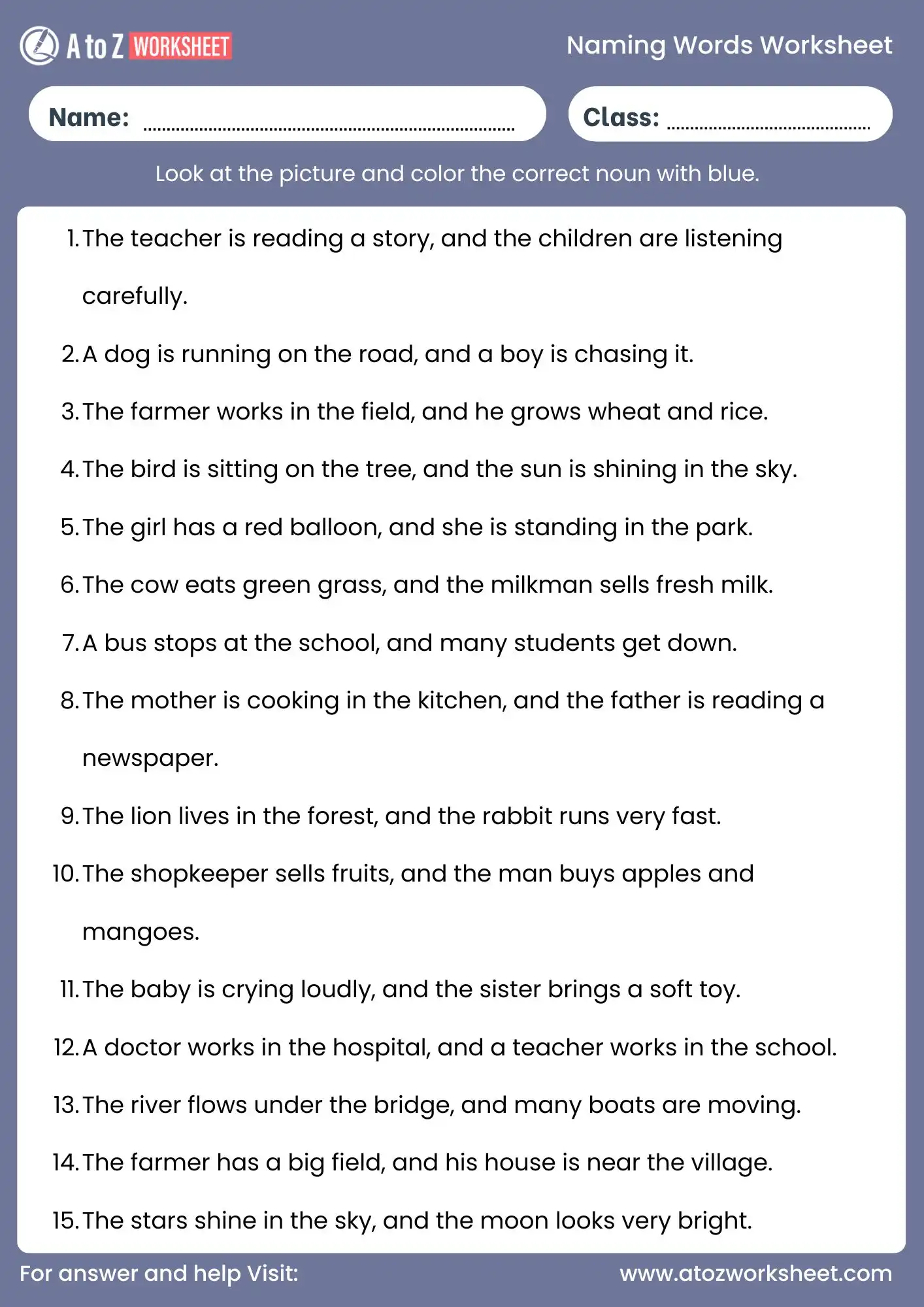
This resource addresses the core identification and classification of nouns, moving beyond basic recognition into functional sentence integration. Students engage with structured exercises that differentiate between common and proper nouns, singular and plural forms, and contextual categorization. Aligned with foundational primary literacy standards, the content bridges oral vocabulary with written expression, ensuring learners can spot naming words within complex paragraphs rather than isolated lists. Educators utilizing these materials provide targeted Academic support that reinforces classroom grammar lessons seamlessly.
Key Learning Outcomes
Students successfully categorize mixed vocabulary lists into correct noun classifications including persons, places, animals, and objects. Learners accurately identify common versus proper nouns within short reading passages, applying capitalisation rules correctly. Furthermore, participants demonstrate the ability to substitute pronouns with appropriate naming words, enhancing descriptive precision. Finally, children complete sentence-building exercises that require independent generation of context-appropriate nouns.
Overview & Skill Breakdown
| Focus Area | Target Skill | Best Practice |
|---|---|---|
| Identification | Recognizing nouns in isolation | Highlight naming words in short stories using color-coding. |
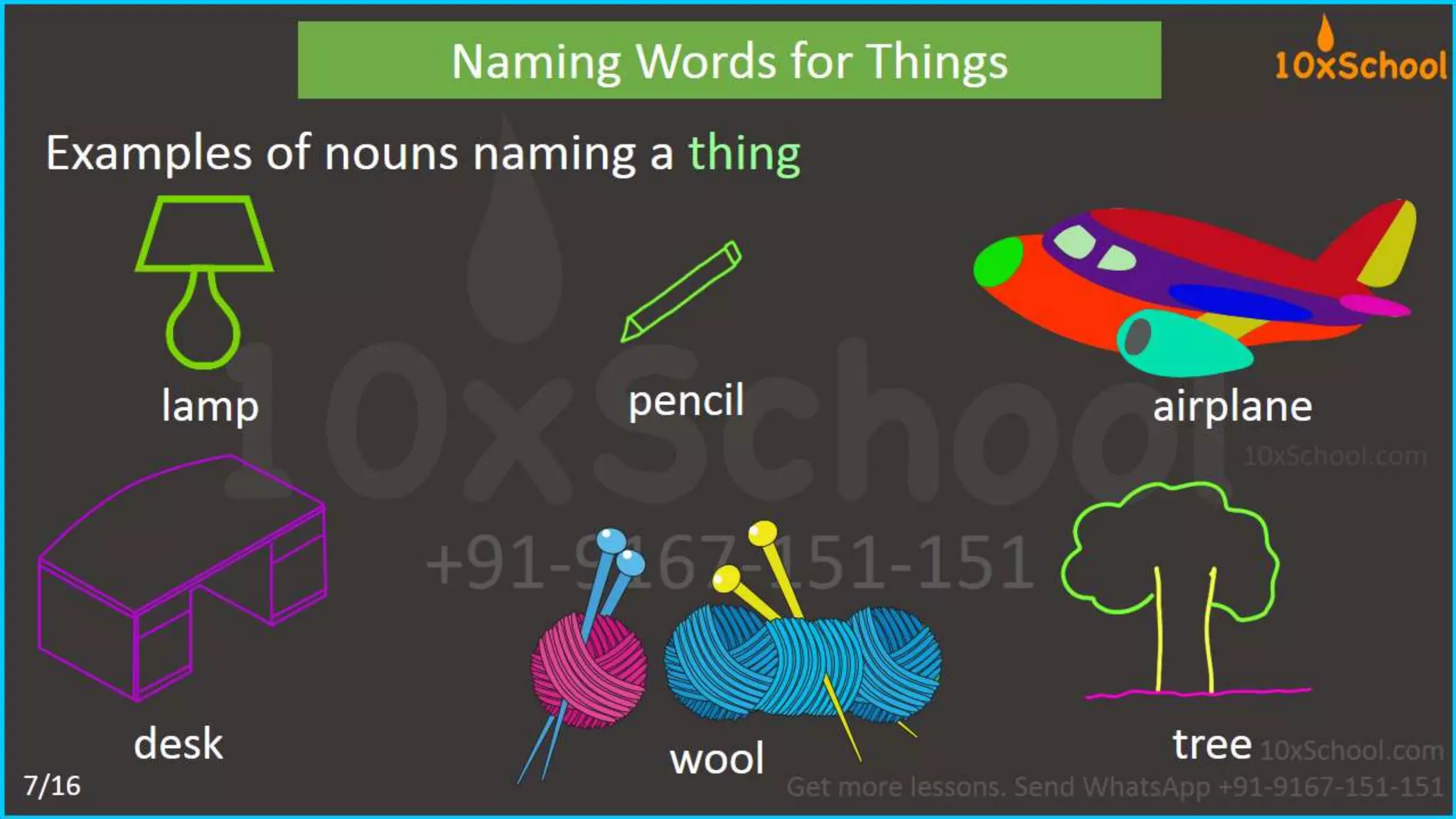
| Categorization | Sorting by person, place, or thing | Use physical sorting cards before moving to written worksheets. |
| Application | Writing original sentences | Encourage descriptive adjectives alongside target nouns. |
How to Use This Worksheet
Implementation requires a balance of guided instruction and independent practice to ensure mastery of naming words for class 2. Instructors typically introduce the worksheet following a mini-lesson on basic grammar categories, using the initial exercises as a collaborative warm-up. Students then complete the remaining sorting and fill-in-the-blank sections independently or in small peer groups to encourage discussion. Integrating these printables into Early Learning centers allows for tactile reinforcement through cut-and-paste matching variations.
Practical Tips for Success
Preparation involves printing sufficient copies and reviewing vocabulary words to preempt any unfamiliar terms for young learners. Execution benefits from reading sentences aloud together before students write down answers, ensuring auditory processing supports visual identification. Extension activities can include challenging learners to find three additional naming words hidden within their current reading books, linking worksheet practice to authentic literature.
Stage-Appropriate Recommendations
Beginning learners require concrete examples involving tangible objects and familiar environments, aligning with the concrete operational stage outlined by developmental frameworks. According to the Piagetian theory of cognitive development, children at this age learn best through observable, hands-on categorization tasks. Advanced learners transition smoothly toward abstract categorization, identifying collective nouns and proper noun capitalization rules without visual props. Systematic progression through these developmental tiers prevents cognitive overload and fosters lasting linguistic confidence.
78% of early elementary students demonstrate improved writing clarity — National Center for Education Statistics Developmental Literacy Study
Frequently Asked Questions
Q: How can I download these naming words worksheets?
A: Click the direct download link on the resource page to save the high-resolution PDF instantly.
Q: What is the primary benefit of using structured grammar printables?
A: They provide targeted, distraction-free repetition that reinforces classroom instruction effectively.
Q: Are these materials aligned with recognized educational standards?
A: Yes, content follows standard primary literacy frameworks and early childhood developmental milestones.
Explore More Free Printable Resources
Discover a comprehensive library designed to support student achievement and classroom organization. Beyond foundational literacy, explore supplementary tools for Administrative tasks, engaging Worksheet collections, and holistic Personal Growth trackers. Visit Free Printable For You to access hundreds of expert-designed materials tailored for every learning stage.
Images References