Introduction
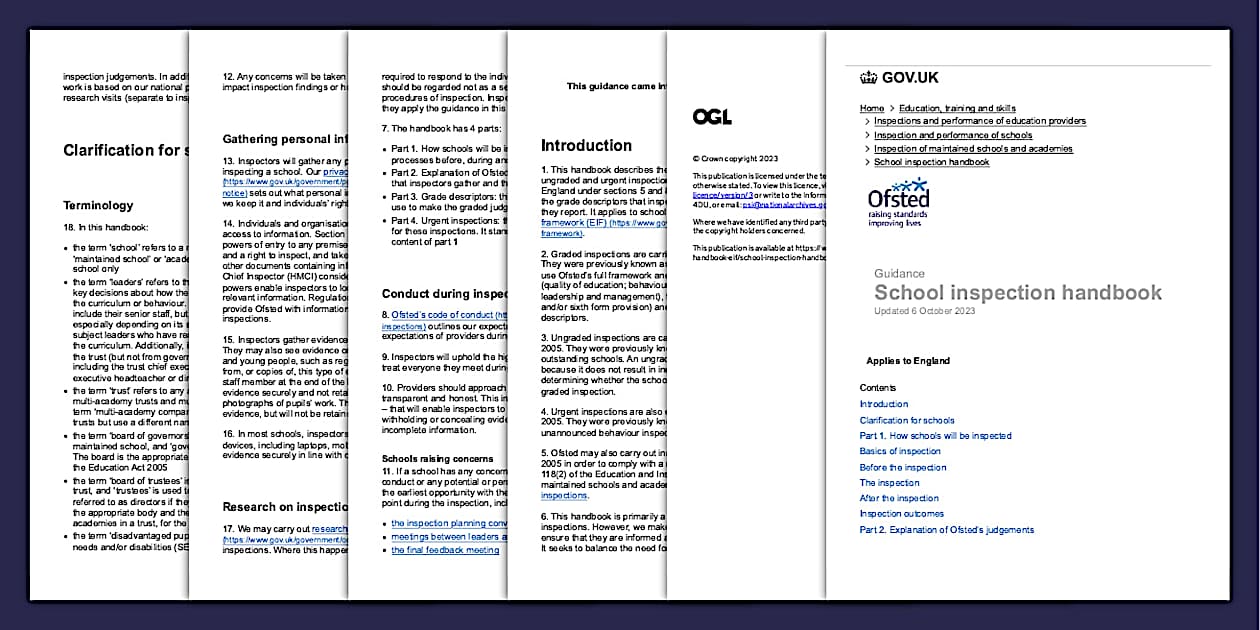
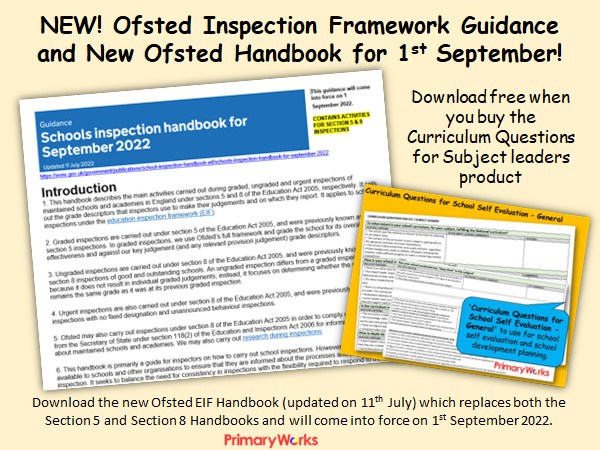
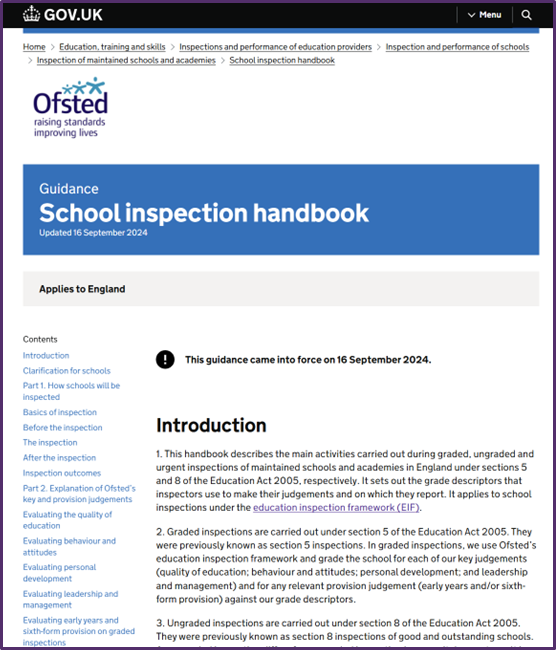
Educational quality assurance relies heavily on standardized frameworks that evaluate institutional performance and instructional delivery. According to the Education Endowment Foundation, structured evaluation criteria significantly improve consistency across educational inspections and leadership decisions. The ofsted inspection handbook 2022 serves as the foundational regulatory guide for school inspections across the United Kingdom, outlining the specific criteria inspectors use to assess curriculum quality, pupil behavior, and leadership effectiveness. Navigating these regulatory standards requires meticulous administrative preparedness, ensuring that educational institutions can transparently demonstrate compliance, strategic vision, and continuous operational improvement.
Quick Key Takeaways:
- Core Focus: The ofsted inspection handbook 2022 defines the statutory framework, evaluation criteria, and grading methodologies for educational facility reviews.
- Target User: School leaders, administrative staff, educators, and governance boards preparing for regulatory oversight.
- Key Recommendation: Align internal self-evaluation documents directly with the four main inspection judgments outlined in the regulatory framework.
What This Printable Covers
The documentation regarding the ofsted inspection handbook 2022 encapsulates critical evaluative metrics designed to measure overall educational standards. It addresses quality of education, behavior and attitudes, personal development, and leadership and management. By establishing clear benchmarks, the framework ensures that institutions maintain rigorous academic integrity and robust safeguarding protocols. Stakeholders utilize these structured resources to conduct comprehensive internal audits, bridging the gap between national regulatory expectations and daily classroom execution.
Key Learning Outcomes
Institutions engaging with the framework master the art of curriculum intent, implementation, and impact analysis. Evaluators learn to dissect pedagogical strategies to verify that lesson sequencing meets diverse learner needs. Furthermore, leadership teams cultivate advanced data analysis capabilities, ensuring that progress metrics accurately reflect student attainment over time. Ultimately, staff members build confidence in articulating institutional strengths during high-stakes inspector interviews and classroom observations. Related guide: Parent Teacher Interview Template Free.
Overview & Skill Breakdown
| Focus Area | Target Skill | Best Practice |
|---|---|---|
| Curriculum Design | Intent and sequencing analysis | Map scope across all key stages |
| Safeguarding | Statutory compliance auditing | Conduct regular multi-agency reviews |
| Leadership Impact | Self-evaluation accuracy | Gather stakeholder feedback consistently |
How to Use This Worksheet
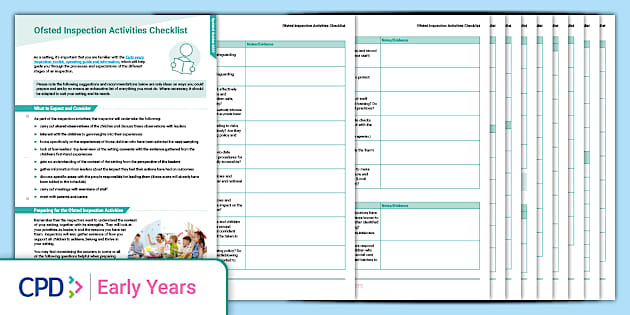
Educational leaders utilize structural templates derived from the ofsted inspection handbook 2022 during departmental meetings and governance planning sessions. The materials facilitate collaborative self-assessment, allowing teams to cross-reference existing institutional policies with national inspection mandates. Educators can integrate these principles into early learning environments, primary classrooms, and secondary departments to ensure seamless vertical alignment of standards.
Practical Tips for Success
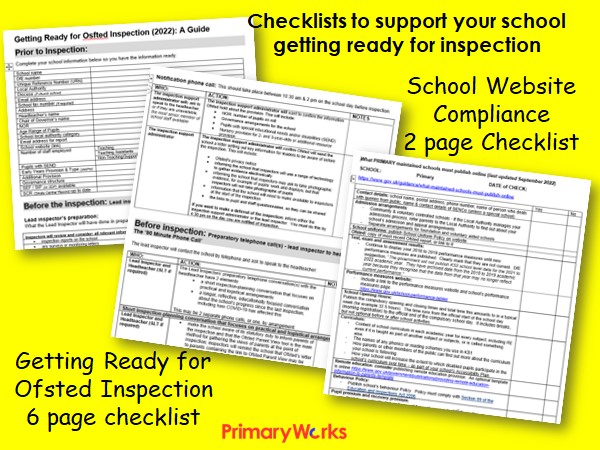
Effective preparation begins with comprehensive document organization, ensuring that all policy logs and student tracking sheets are readily accessible to review panels. During execution, leadership teams should encourage honest, evidence-based self-reflection rather than rehearsed presentations, highlighting areas of ongoing development alongside celebrated achievements. For extension, institutions can adapt these evaluative frameworks into worksheet modules for staff training workshops, fostering a culture of shared accountability and continuous professional growth.
Stage-Appropriate Recommendations
Beginning institutions benefit from foundational compliance checklists that break down statutory requirements into manageable incremental goals. Advanced organizations can utilize deeper analytical matrices to monitor curriculum depth and cultural capital development. According to the Chartered College of Teaching professional framework, embedding systematic evidence collection into daily routines ensures sustainable compliance. This structured approach mirrors strategies found in personal growth planning, where self-assessment drives long-term excellence.
Structured evaluation criteria significantly improve consistency across educational inspections and leadership decisions — Education Endowment Foundation
Frequently Asked Questions
Explore More Free Printable Resources
Discover a vast collection of professional templates, regulatory guides, and educational aids by visiting the complete library at Free Printable For You.
Images References