Introduction
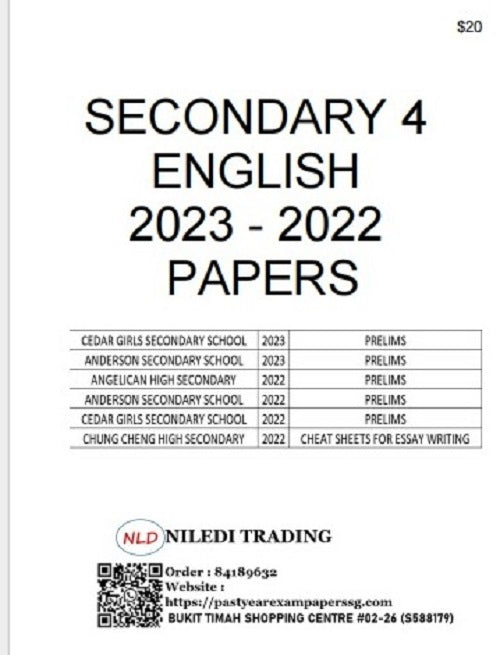
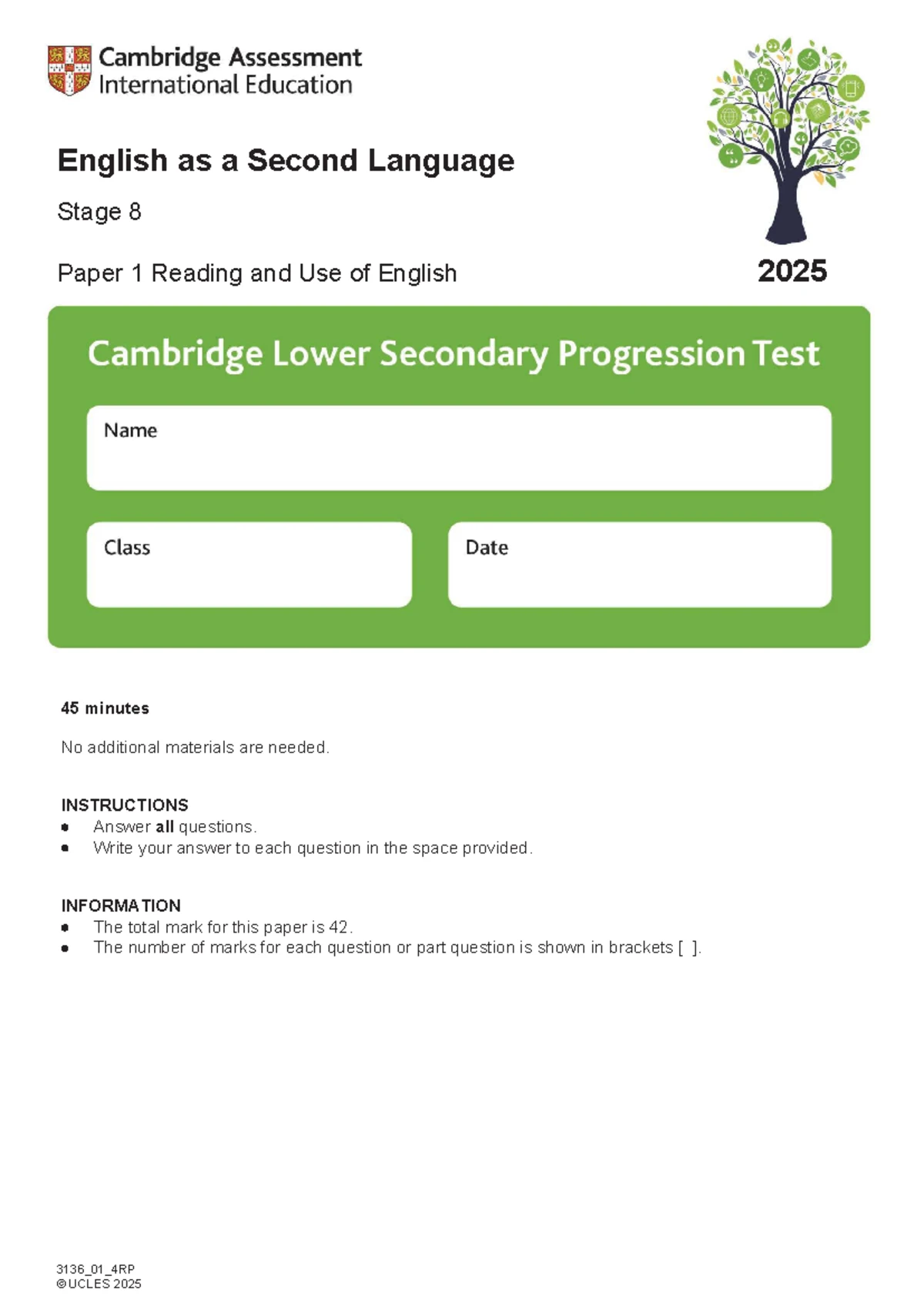
Past papers secondary serve as systematic evaluation tools designed to prepare students for high-stakes examinations through authentic testing conditions. According to the Educational Testing Service (ETS), deliberate practice with standardized testing materials significantly improves knowledge retention and reduces cognitive anxiety during final assessments. Utilizing these resources bridges the gap between theoretical classroom learning and practical exam execution. Related guide: Adding With Regrouping.
Quick Key Takeaways:
- Core Focus: Past papers secondary provide authentic historical examination questions for structured secondary school academic revision.
- Target User: Secondary educators, homeschooling parents, and students preparing for national or regional examinations.
- Key Recommendation: Simulate strict exam conditions during the initial review phase to accurately diagnose knowledge gaps.
What This Printable Covers
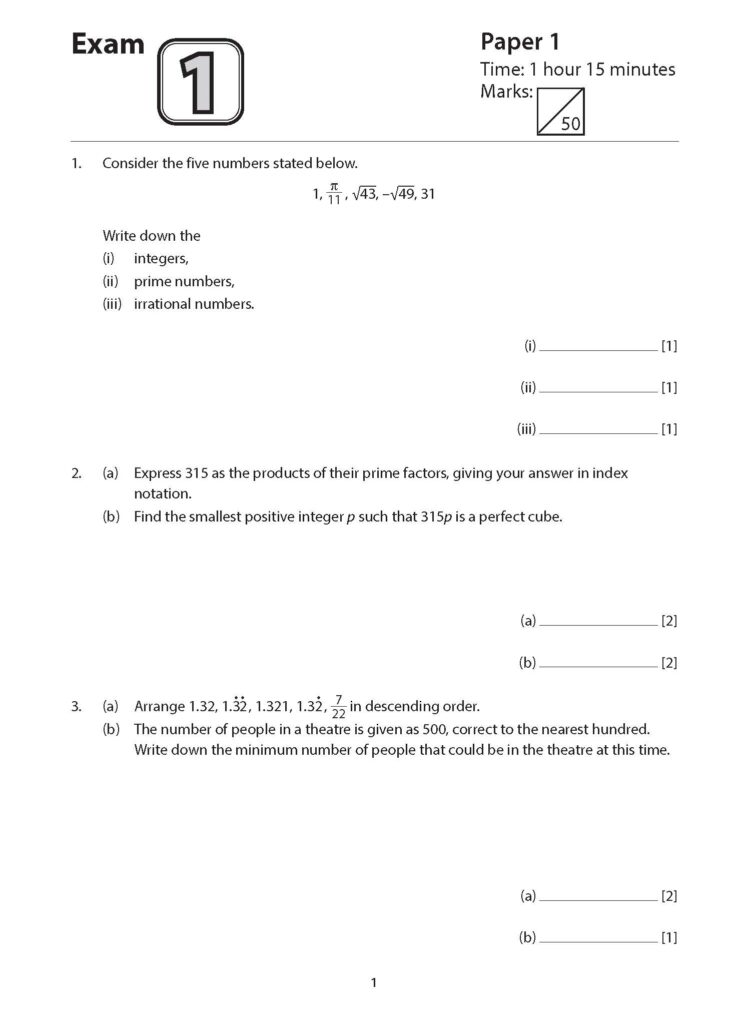
Comprehensive revision frameworks require rigorous application of foundational knowledge across various subjects found within the broader Academic collection. These historical examination documents cover core curriculum competencies, including analytical reading, mathematical problem-solving, scientific reasoning, and structural essay composition. By engaging with these structured assessment tools, learners encounter the precise linguistic phrasing, formatting nuances, and time constraints typical of official board evaluations.
Key Learning Outcomes
Primary cognitive benefits include enhanced time management under pressure, precise identification of recurring syllabus themes, and mastery of specific command words used in examination prompts. Students develop robust self-assessment capabilities by comparing personal responses against official marking schemes and examiner reports. Furthermore, consistent engagement fosters long-term memory consolidation and builds psychological resilience against high-stakes testing environments.
Overview & Skill Breakdown
| Focus Area | Target Skill | Best Practice |
|---|---|---|
| Time Management | Pacing under strict limits | Set physical timers for individual sections |
| Question Analysis | Deconstructing command words | Highlight key action verbs before writing |
| Self-Correction | Mark scheme alignment | Use contrasting colored pens for grading |
How to Use This Worksheet
Effective deployment of historical examination resources involves a three-stage pedagogical cycle: diagnostic testing, targeted remediation, and performance re-evaluation. Initially, learners complete the assessment unaided under strict time limits to establish a baseline score. Subsequently, educators utilize detailed grading rubrics, often paired with foundational Worksheet materials, to remediate identified conceptual weaknesses before attempting subsequent papers.
Practical Tips for Success
Preparation involves creating a distraction-free physical workspace that mirrors official examination halls, complete with permitted stationery and reference tools. During execution, learners must practice disciplined pacing, avoiding the temptation to exceed time allocations on difficult items. For extension, students should compile an error log cataloging recurring mistakes, ensuring targeted review sessions take place prior to attempting the next set of examination documents.
Stage-Appropriate Recommendations
Early secondary learners benefit from untimed, topic-specific practice modules that build foundational confidence without excessive pressure. According to the Association for Supervision and Curriculum Development (ASCD), scaffolding complex assessments through incremental difficulty tiers optimizes cognitive load and supports sustainable developmental progression. Advanced secondary candidates transition toward full-length, timed examination simulations to peak performance right before official testing periods.
Deliberate practice with authentic examination papers correlates with a statistically significant increase in final grade outcomes — Educational Testing Service (ETS)
Frequently Asked Questions
Explore More Free Printable Resources
Optimizing educational outcomes requires a diverse toolkit of supplementary materials designed to support every phase of intellectual development. Beyond examination practice, educators can explore targeted resources for Early Learning foundations or track holistic progress using templates found in Personal Growth. Visit the main library at Free Printable For You to access hundreds of high-quality educational assets tailored for diverse learning environments.
Images References