Introduction
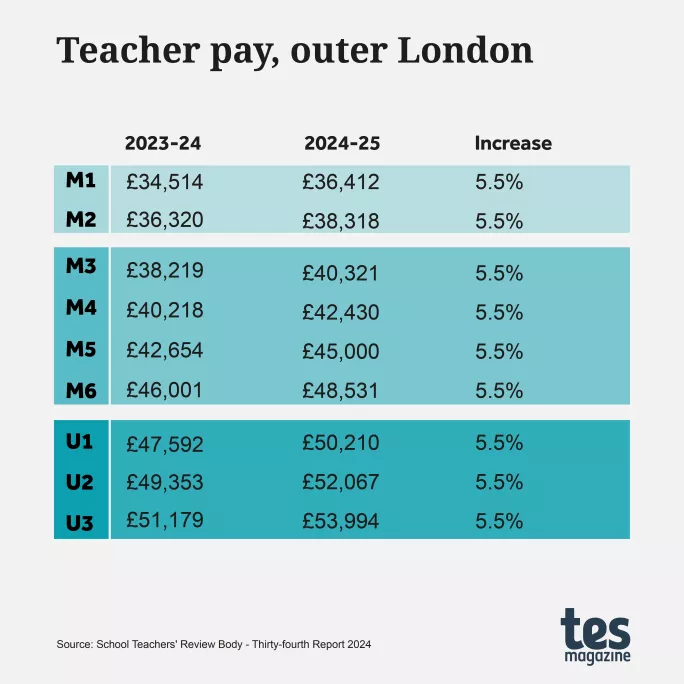
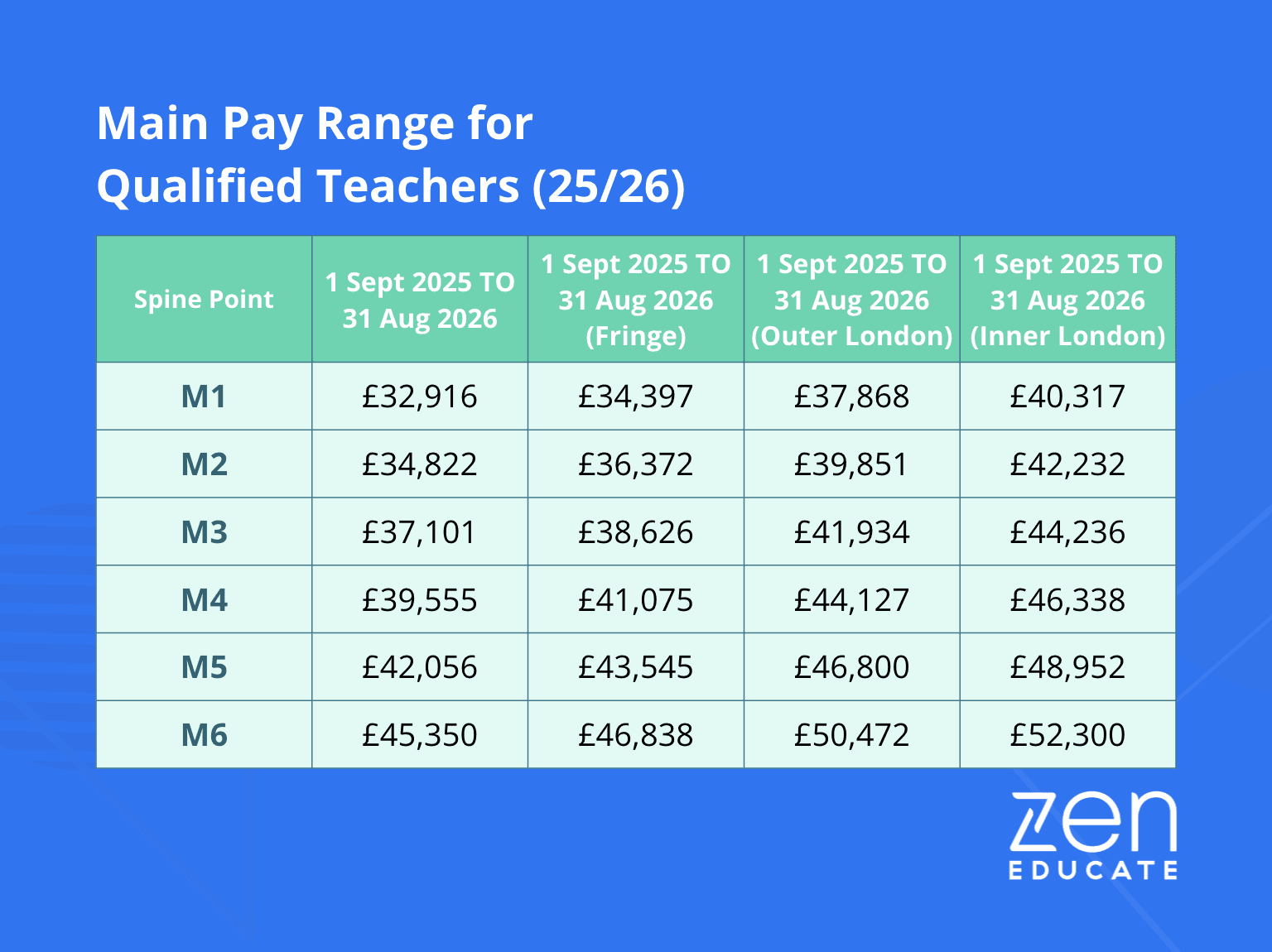
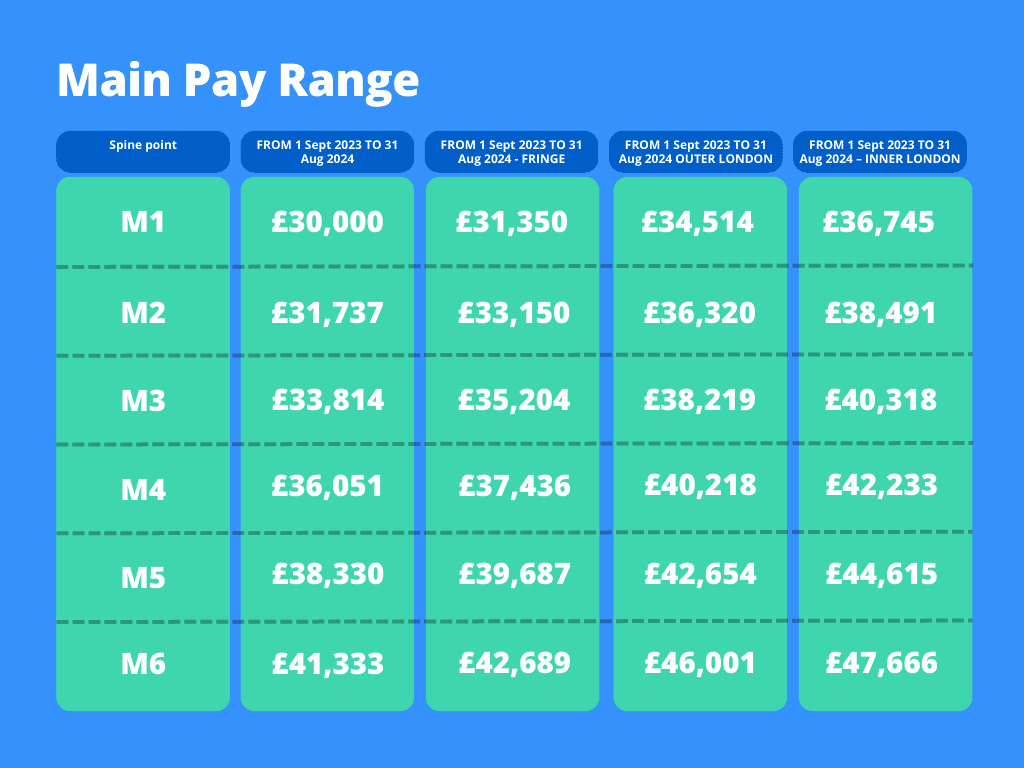
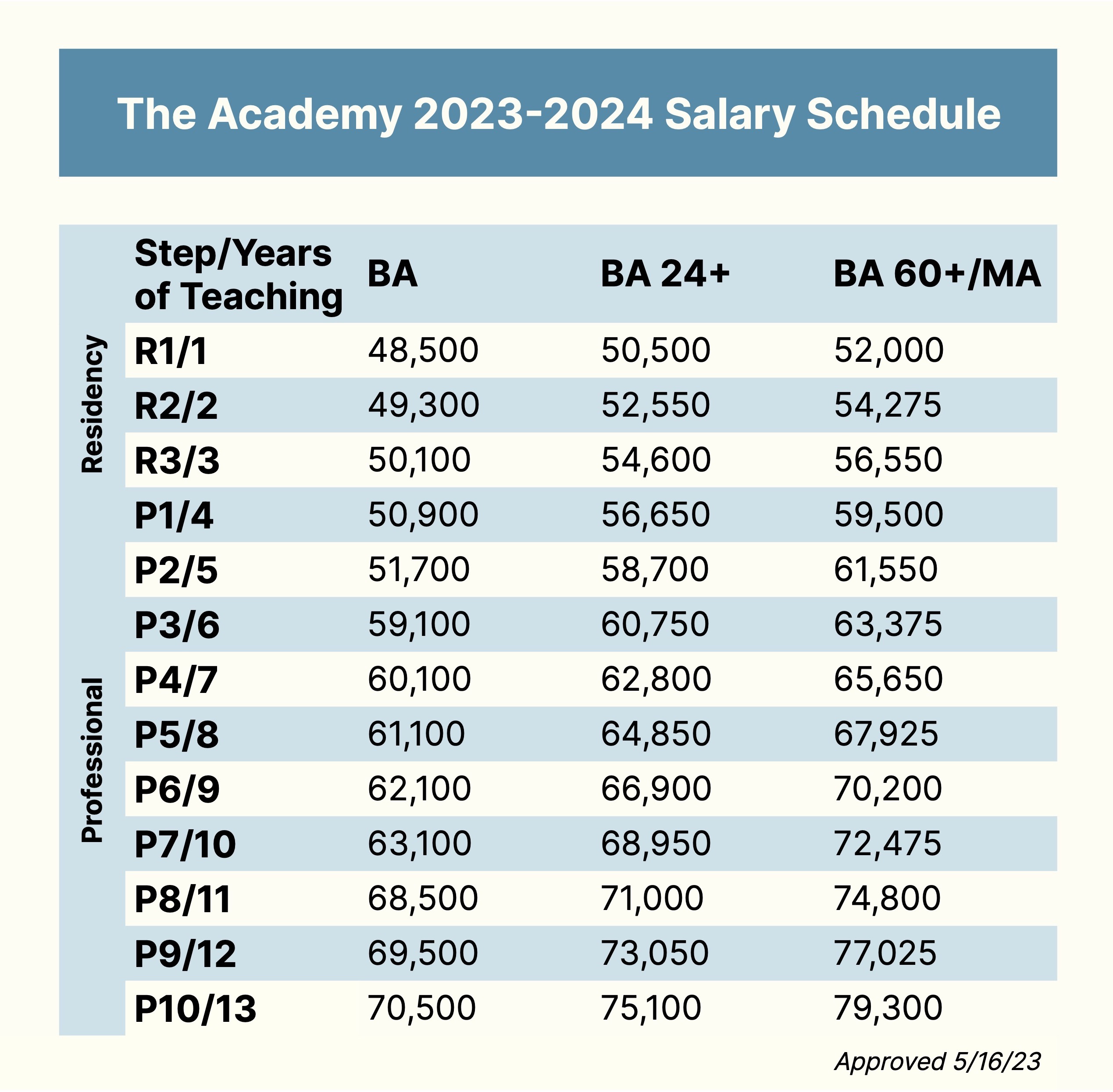
Structured compensation frameworks establish transparent pathways for educator advancement, linking professional growth directly to financial progression. According to the Economic Policy Institute, competitive compensation structures are foundational for teacher retention and sustained institutional quality. Understanding a payscale for teachers involves navigating complex salary schedules, step increases, and educational lane changes that dictate educator earnings. Utilizing professional administrative templates allows school leaders and educators to accurately project lifetime earnings, map out continuing education milestones, and track career advancement trajectories effectively.
Quick Key Takeaways:
- Core Focus: Mapping structural compensation levels, step increases, and educational advancement tiers via a detailed payscale for teachers.
- Target User: School administrators, district planners, and educators managing professional development and career progression.
- Key Recommendation: Regularly audit transcript credits and professional development hours to maximize placement on local district salary schedules.
What This Printable Covers
This comprehensive framework outlines the mechanics of educator compensation, detailing how years of service combined with graduate credit accumulation drive annual salary adjustments. The resource translates intricate district collective bargaining agreements into clear, actionable matrices that help stakeholders visualize long-term financial trajectories. By establishing standardized methods for logging continuing education units, the document ensures all eligible credits are properly accounted for during annual salary reviews. These insights support rigorous career planning found throughout Academic program evaluations.
Key Learning Outcomes
Stakeholders master the interpretation of vertical steps representing years of experience alongside horizontal lanes indicating advanced degree thresholds. Users gain the ability to forecast future earnings based on anticipated graduate course completion and longevity milestones. Furthermore, educators learn to identify strategic opportunities for professional upskilling that yield the highest return on investment within standard district compensation models. Finally, administrators acquire streamlined methods for auditing staff placement and maintaining equitable district-wide payroll structures. Related guide: A Good Lesson.
Overview & Skill Breakdown
| Focus Area | Target Skill | Best Practice |
|---|---|---|
| Step Advancement | Experience Tracking | Verify service year calculations annually against district contracts. |
| Lane Changes | Credential Audit | Submit official transcripts prior to district-mandated autumn deadlines. |
| Stipend Integration | Extra-Duty Mapping | Document coaching and leadership hours systematically for supplementary pay. |
How to Use This Worksheet
Implementation begins by gathering historical employment records, current transcripts, and the active collective bargaining agreement for the specific educational district. Users input baseline credentials into the designated fields of the payscale for teachers template to establish a current placement marker. From there, planners project future movements across both vertical experience rows and horizontal education columns to map out long-term financial goals. Integrating these projections with resources found under Personal Growth ensures comprehensive financial and career wellness.
Practical Tips for Success
Preparation involves organizing all professional development certificates and university transcripts into a chronological digital portfolio before initiating calculations. Execution requires careful cross-referencing of district-specific step rules, as formulas for partial-year service can vary widely across municipalities. Extension activities involve simulating various continuing education scenarios, such as completing a master’s degree or National Board Certification, to determine the exact financial impact of future academic pursuits.
Stage-Appropriate Recommendations
Early-career educators benefit from focusing on foundational step progression and acquiring initial lane advancement credits during the first five years of service. Advanced practitioners utilize sophisticated compensation modeling to time advanced degree completions for maximum lifetime earnings impact. According to the National Association of State Boards of Education (NASDBE) professional development guidelines, systematic career milestone planning directly correlates with increased instructional stability. This structured progression aligns naturally with tools available in the Early Learning and Worksheet collections for broader professional organizing.
Systematic career milestone planning directly correlates with increased instructional stability — National Association of State Boards of Education (NASDBE)
Frequently Asked Questions
Q: How do I download this resource?
A: Click the download button on the page to instantly access and save the printable PDF file for immediate use.
Q: What is the practical benefit of this tool?
A: It provides a clear, transparent method to project career earnings, track continuing education credits, and verify correct salary placement.
Q: Which trusted framework guides this layout?
A: The design incorporates standards established by the National Association of State Boards of Education (NASDBE) for professional development tracking.
Explore More Free Printable Resources
Empower your professional journey and organizational planning by browsing the extensive library of high-quality templates available at Free Printable For You. Discover specialized tools designed to support every facet of educational administration and career development today.
Images References