Introduction
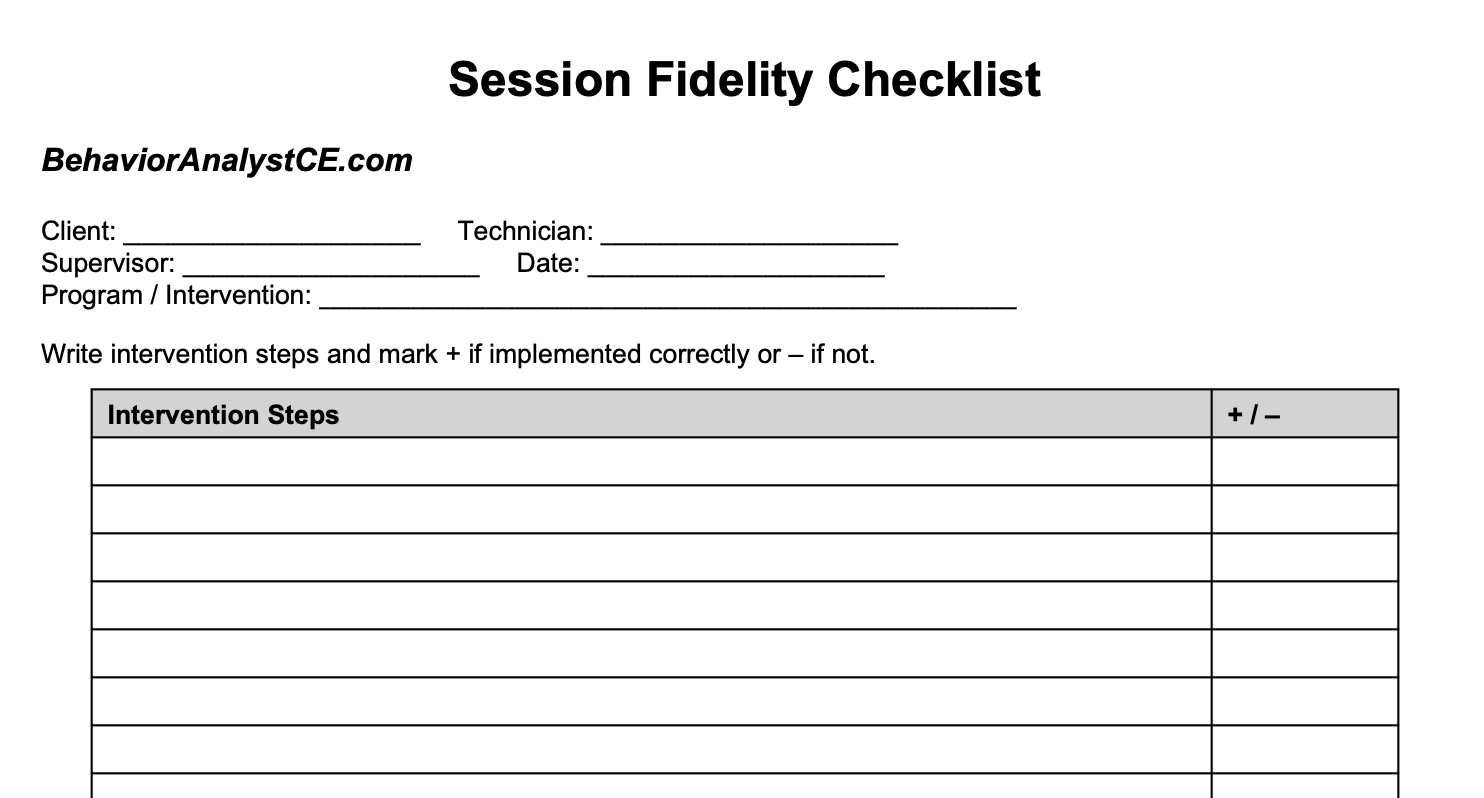
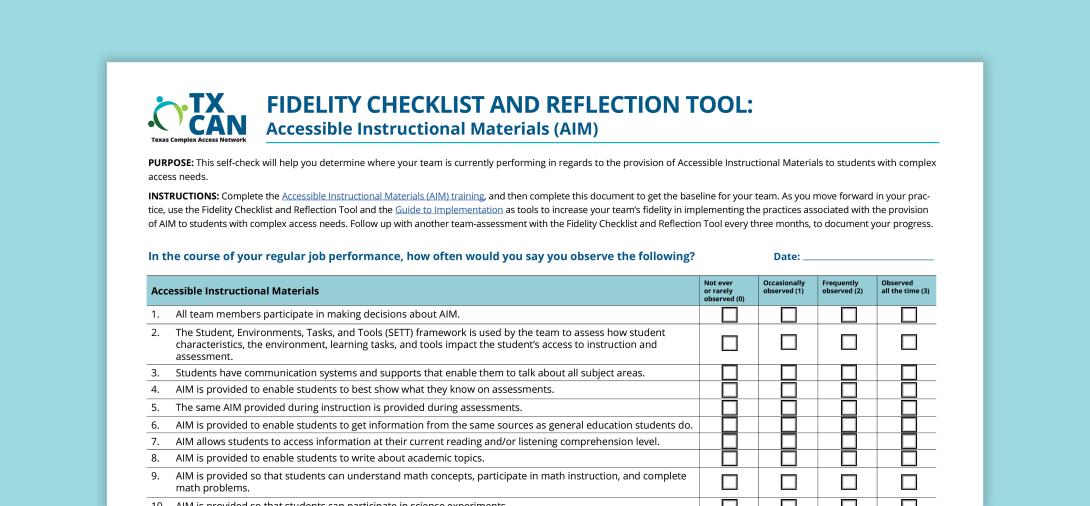
A fidelity checklist is a structured evaluation tool designed to measure whether an intervention, lesson plan, or administrative procedure is implemented precisely as intended. By tracking critical steps, practitioners ensure consistency, reliability, and optimal outcomes across educational and professional settings. According to the National Center for Education Evaluation and Regional Assistance, consistent adherence to instructional protocols significantly improves student performance and program efficacy. Integrating a fidelity checklist into daily operations eliminates guesswork, safeguards standardization, and provides clear metrics for continuous improvement. Resources tailored for this purpose are readily available through specialized administrative tools and Administrative templates designed to streamline oversight.
Quick Key Takeaways:
- Core Focus: A fidelity checklist tracks adherence to planned educational, administrative, or developmental protocols.
- Target User: Educators, administrators, and program coordinators seeking operational consistency.
- Key Recommendation: Review implementation steps before, during, and after execution to maximize accuracy.
What This Printable Covers
This printable resource focuses on systematic observation, procedural compliance, and quality assurance. It breaks complex interventions into discrete, observable behaviors, allowing evaluators to document whether essential components occur in the correct sequence. The layout supports rigorous self-assessment, peer review, and formal administrative auditing across diverse environments. For broader skill applications, companion exercises can be found within the Academic and Worksheet archives.
Key Learning Outcomes
Users learn to systematically evaluate procedural accuracy by identifying core components of a planned activity. The tool fosters deep reflection on implementation gaps, helping practitioners distinguish between core adaptations and unauthorized deviations. Furthermore, structured tracking builds accountability, ensuring that foundational steps are never omitted during fast-paced operational workflows or classroom lessons. This consistent monitoring directly correlates with improved long-term outcomes and reliable data collection. Related guide: Hallmark Mahogany.
Overview & Skill Breakdown
| Focus Area | Target Skill | Best Practice |
|---|---|---|
| Preparation | Resource readiness | Verify all materials and criteria prior to execution. |
| Execution | Step-by-step adherence | Mark items immediately as they occur during the process. |
| Review | Variance analysis | Reflect on missed steps to guide future implementation. |
How to Use This Worksheet
Effective implementation requires distributing the printable to the observer or practitioner before the activity begins. During the session, the evaluator marks each completed benchmark objectively, noting any contextual barriers that prevent full execution. Afterward, the completed document serves as a data point for team meetings, coaching sessions, or personal reviews, guiding targeted adjustments for subsequent trials.
Practical Tips for Success
Successful utilization begins with thorough preparation, ensuring all participants understand the specific definitions behind each checklist item. During execution, maintaining an objective stance prevents bias, yielding accurate data regarding true operational fidelity. For extension, users can pair the checklist with targeted modules found in Early Learning or personal development frameworks available via Personal Growth to foster continuous professional development.
Stage-Appropriate Recommendations
Implementation stages range from novice awareness to expert integration. According to the National Implementation Research Network (NIRN) framework, beginner stages require simplified checklists focusing on three to five essential steps to prevent cognitive overload. Advanced users transition to comprehensive fidelity matrices that evaluate dosage, student engagement, and qualitative nuances simultaneously, ensuring deep institutionalization of evidence-based practices.
Full implementation of evidence-based frameworks requires continuous fidelity monitoring — National Implementation Research Network (NIRN)
Frequently Asked Questions
Answers to common inquiries regarding implementation and access.
Explore More Free Printable Resources
Enhance organizational workflows, classroom management, and personal productivity by browsing the complete selection of professional tools available at Free Printable For You.
Images References