Introduction
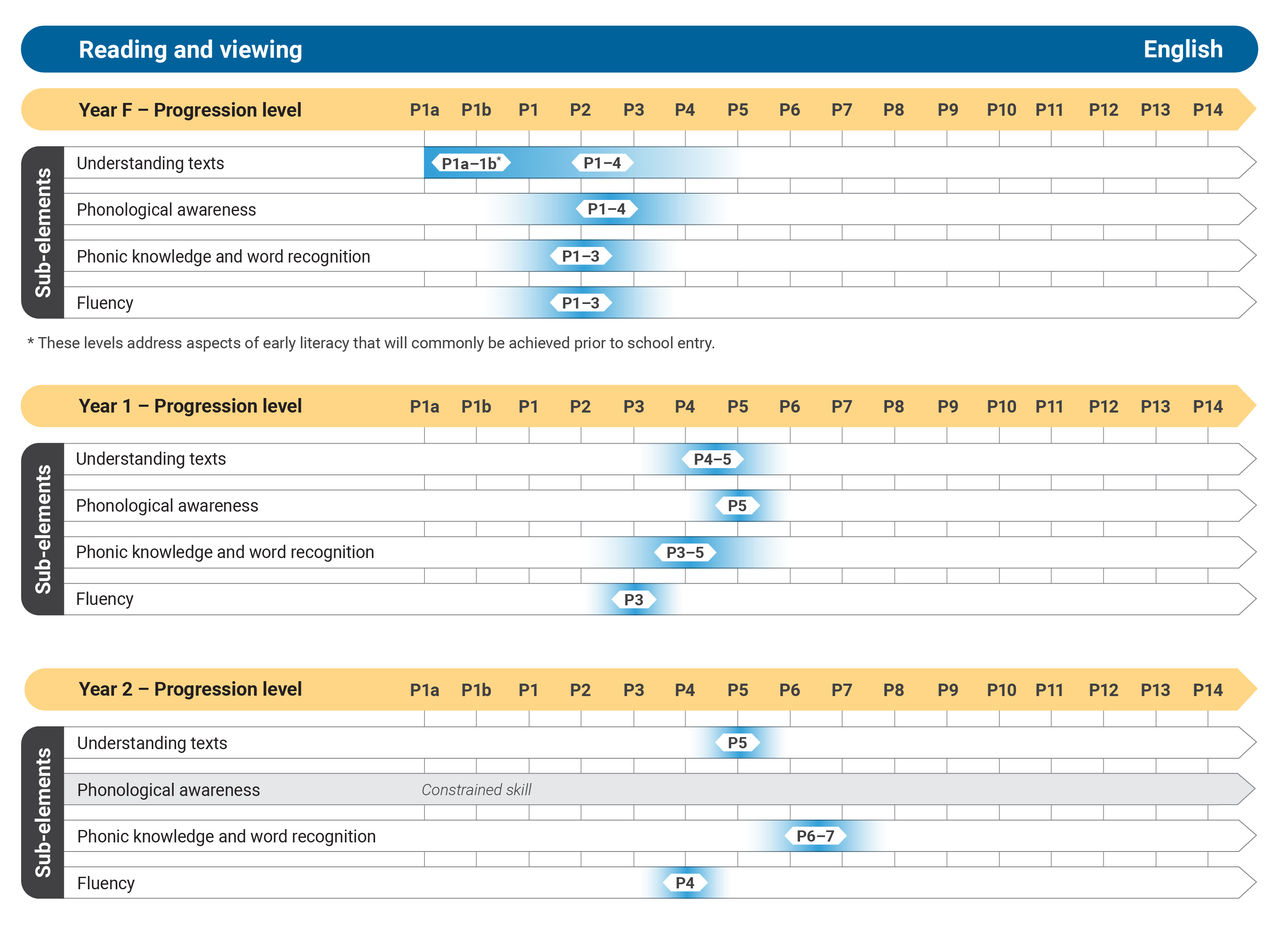
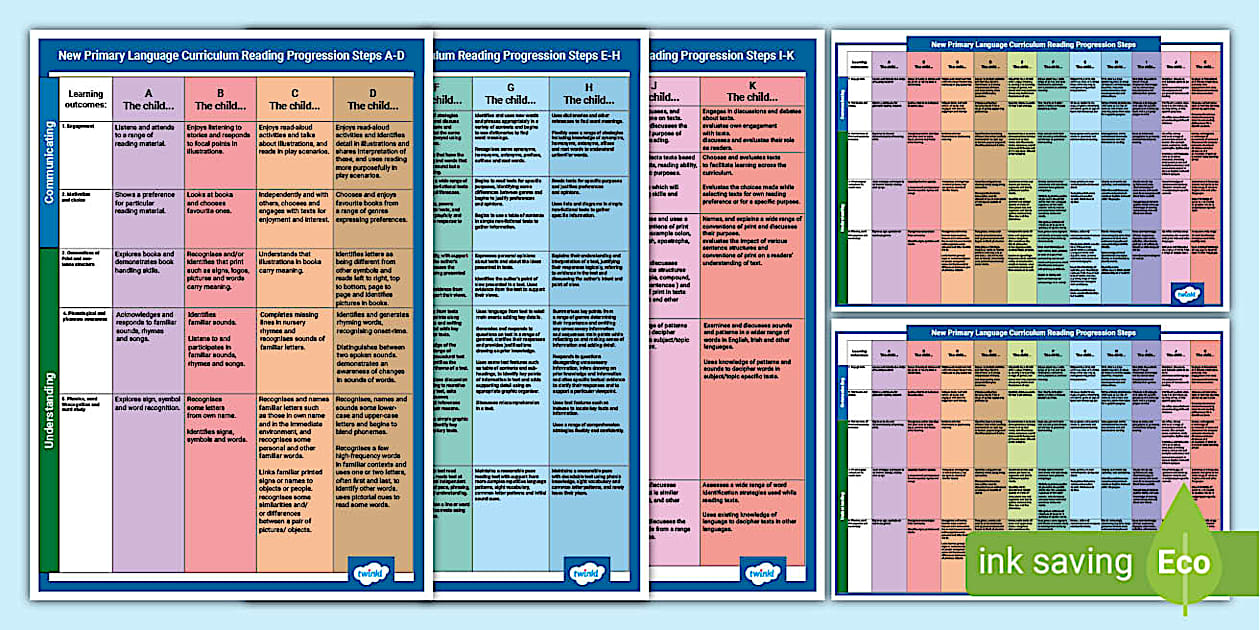
Literacy learning progressions define the systematic pathways through which individuals acquire reading and writing competencies, moving from foundational oral language skills to complex text comprehension. According to the National Reading Panel, explicit instruction mapped to developmental milestones significantly accelerates reading acquisition compared to unstructured approaches. These structured frameworks provide educators, parents, and learners with a reliable map to track skill growth, identify learning gaps, and target interventions effectively. Utilizing structured resources from Academic settings helps bridge the gap between theoretical models and daily classroom practice.
Quick Key Takeaways:
- Core Focus: Systematic mapping of reading and writing skill acquisition from foundational phonics to advanced text analysis.
- Target User: Educators, parents, and lifelong learners navigating structured literacy interventions.
- Key Recommendation: Align regular tracking assessments directly with documented developmental milestones.
What This Printable Covers
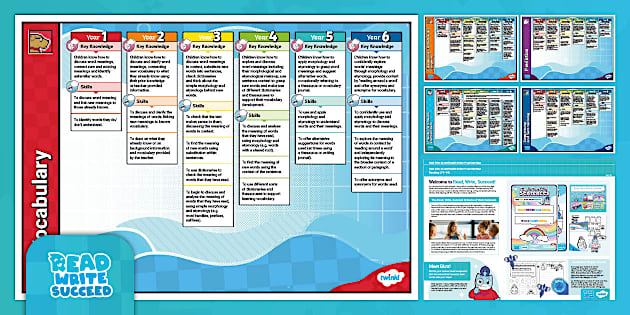
This structured resource outlines the sequential stages of reading and writing development, aligning closely with evidence-based instructional frameworks. It covers critical competencies including phonological awareness, decoding mechanics, vocabulary expansion, and syntactic comprehension. By organizing these milestones into clear, actionable segments, the material supports targeted pedagogical planning. Furthermore, integrating tools found within the Early Learning repository ensures that foundational habits are established early in the educational journey.
Key Learning Outcomes
Learners systematically build phonemic awareness by isolating and manipulating individual sounds within spoken words. Transitioning into phonics, users connect graphemes to phonemes to decode unfamiliar vocabulary accurately and fluently. Advanced phases focus on reading comprehension strategies, enabling individuals to analyze text structures, infer meaning, and evaluate author intent. Finally, structured writing exercises reinforce these reading skills, fostering comprehensive literacy development across all targeted developmental stages. Related guide: Education Com Resources.
Overview & Skill Breakdown
| Focus Area | Target Skill | Best Practice |
|---|---|---|
| Foundation | Phonemic Awareness | Daily auditory practice with sound blending |
| Application | Decoding & Fluency | Targeted practice using controlled text |
| Mastery | Reading Comprehension | Active questioning and structural analysis |
How to Use This Worksheet
Implementation requires a diagnostic approach, beginning with a baseline assessment to determine the learner’s exact current placement along the literacy continuum. Educators and parents should integrate these printables into regular routines, dedicating specific sessions to targeted skill gaps rather than rushing through sequences. For broader organizational management of these progress records, utilizing templates from the Administrative collection maintains seamless tracking across multiple learners. Consistent review ensures that instructional pacing matches individual cognitive readiness and retention rates.
Practical Tips for Success
Preparation involves reviewing the specific developmental benchmarks outlined in the document to gather necessary supplementary materials. During execution, maintain a supportive environment that encourages self-correction and celebrates incremental progress milestones. For extension activities, connect printed exercises to authentic reading materials and everyday writing prompts to reinforce learned competencies in diverse contexts. Supplementing these sessions with structured exercises from the Worksheet collection provides endless opportunities for skill reinforcement.
Stage-Appropriate Recommendations
Beginner stages focus heavily on oral language, alphabet knowledge, and basic phonics, aligning with the early childhood standards established by the National Association for the Education of Young Children (NAEYC). According to NAEYC guidelines, young children thrive when literacy experiences are integrated naturally through play and explicit, scaffolded instruction. Advanced stages transition toward multi-syllabic decoding, morphological analysis, and critical text evaluation, ensuring sustained growth for lifelong learners utilizing resources found in Personal Growth.
Explicit instruction aligned with developmental milestones significantly accelerates reading acquisition compared to unstructured approaches. — National Reading Panel
Frequently Asked Questions
Q: How do I download these resources?
A: Click the direct download link on the resource page to save the PDF file instantly.
Q: What is the main practical benefit of these progressions?
A: They provide a clear roadmap to identify learning gaps and target interventions accurately.
Q: Which trusted framework informs these literacy models?
A: Evidence-based standards set by organizations like the National Reading Panel and NAEYC.
Explore More Free Printable Resources
Empowering educational journeys requires access to reliable, high-quality materials that scale with individual developmental needs. Discover a comprehensive library of supportive tools designed to enhance structured learning environments for every age and ability level by visiting Free Printable For You today.
Images References