Introduction
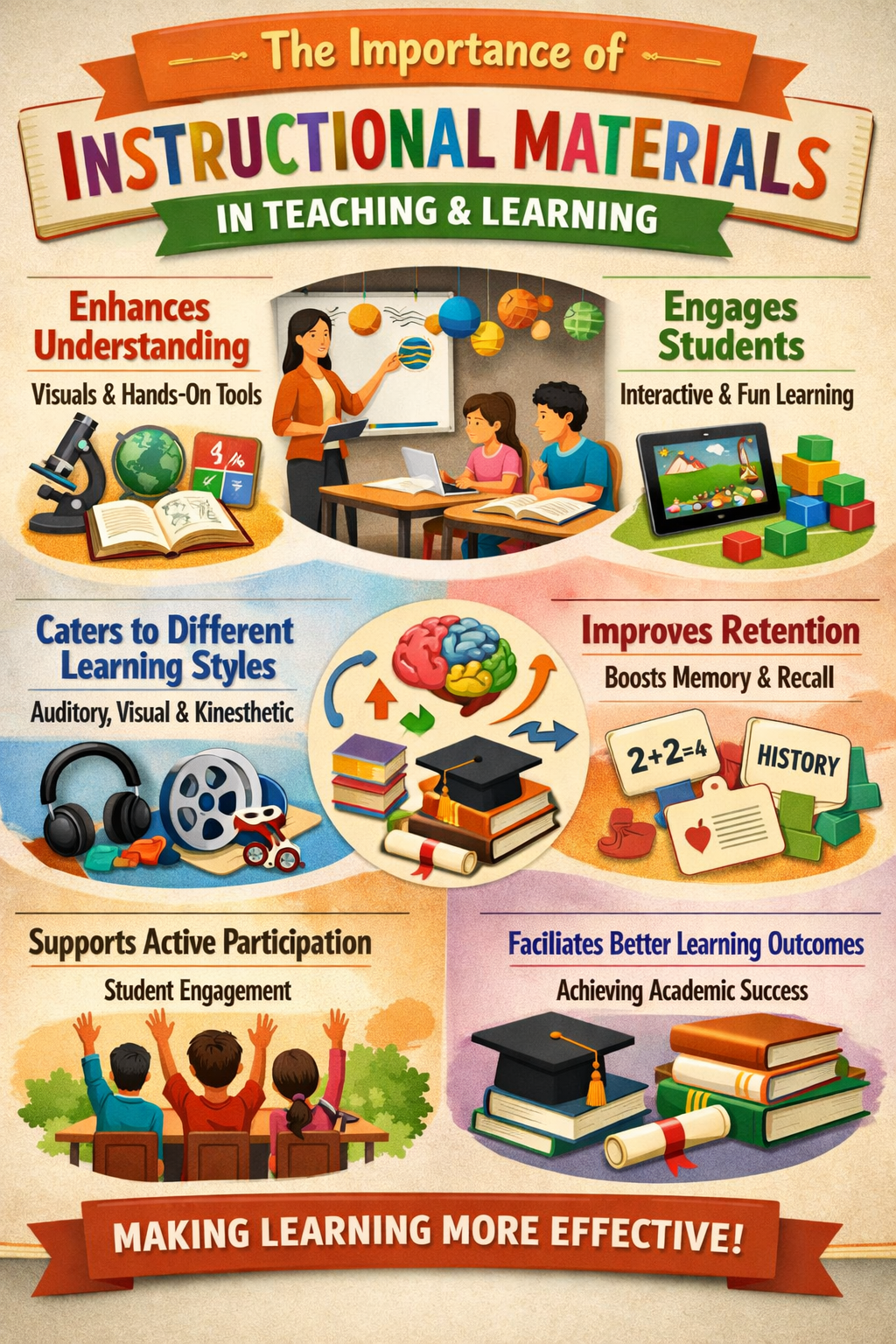
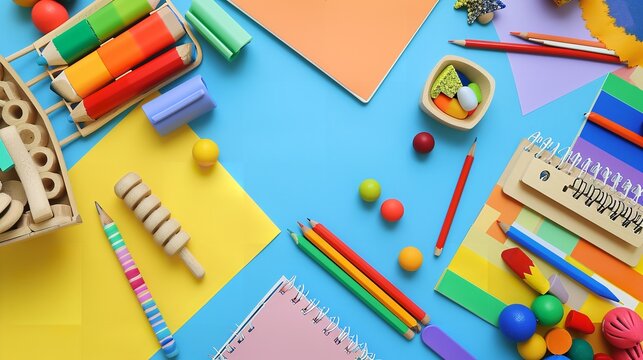
Material resources in education refer to the tangible tools, supplies, and structured physical instruments that actively support instruction, skill retention, and cognitive organization. According to the National Bureau of Economic Research, optimized allocation and utilization of high-quality learning materials directly correlates with measurable gains in student achievement and long-term knowledge retention. Systematic deployment of material resources in education transforms abstract educational concepts into concrete, manageable tasks, providing the structural scaffolding necessary for effective academic progression, professional organization, and independent lifelong skill development across diverse learning environments. Related guide: Merry Christmas Best Friend.
Quick Key Takeaways:
- Core Focus: Material resources in education encompass physical instructional aids, organizational tools, and structured printables that streamline teaching and learning.
- Target User: Educators, administrators, parents, and self-directed learners seeking structured academic or operational frameworks.
- Key Recommendation: Integrate standardized templates alongside tactile manipulatives to enhance cognitive focus and operational efficiency.
What This Printable Covers
Physical printables and organizational documents serve as critical material resources in education by providing standardized frameworks that reduce cognitive overload and guide systematic task completion. These resources bridge the gap between theoretical knowledge and practical execution, allowing learners and educators to track milestones, organize curricula, and maintain structured routines. Grounded in established pedagogical strategies, these materials support foundational Academic goals while aligning with rigorous developmental standards for diverse learning cohorts.
Key Learning Outcomes
Engaging with structured educational materials fosters independent problem-solving by establishing predictable routines for task analysis. Learners cultivate robust executive functioning skills, including time management, priority setting, and self-monitoring. Additionally, these resources enhance fine motor dexterity and visual-spatial processing through tactile interaction with formatted documentation. Ultimately, consistent utilization of physical educational aids reinforces content mastery, reduces instructional friction, and cultivates a disciplined approach to lifelong personal and professional growth.
Overview & Skill Breakdown
| Focus Area | Target Skill | Best Practice |
|---|---|---|
| Cognitive Structuring | Information Organization | Pair visual organizers with active note-taking protocols. |
| Operational Efficiency | Time Management | Utilize standardized Administrative templates for scheduling. |
| Foundational Mastery | Concept Retention | Incorporate targeted Worksheet activities during daily practice. |
How to Use This Worksheet
Successful implementation of educational printables requires deliberate preparation, contextual integration, and thoughtful reflection. Educators and facilitators should first review the specific learning objectives of the selected material to ensure alignment with current curriculum requirements or personal development goals. Distribute clean, legible copies in environments free from excessive visual distractions to maximize learner focus. Encourage active engagement by pairing the printable tools with complementary manipulatives or digital learning aids, creating a multi-sensory approach that caters to diverse cognitive processing speeds and learning preferences.
Practical Tips for Success
Preparation involves organizing physical supplies and reviewing instructional prompts beforehand to anticipate potential conceptual hurdles during execution. During execution, encourage learners to articulate their reasoning aloud or document their step-by-step methodology within the provided margins, turning passive completion into an active metacognitive exercise. For extension, adapt the core framework of the material to address more complex scenarios, transforming a single-use document into a recurring tool for ongoing assessment and advanced Personal Growth.
Stage-Appropriate Recommendations
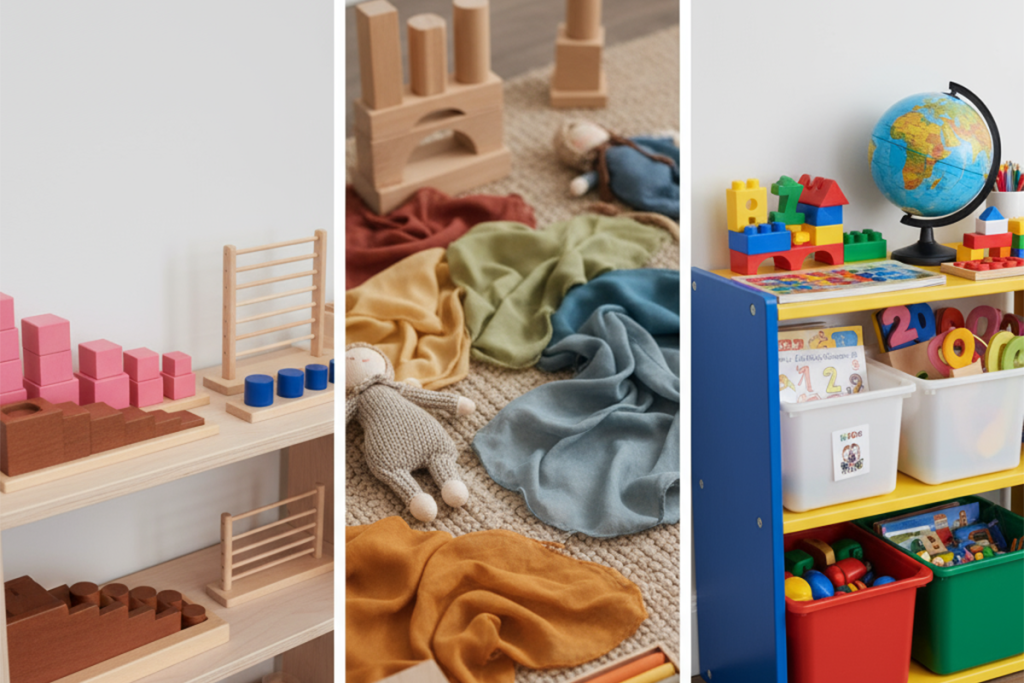
For early developmental stages, material resources in education must emphasize tactile exploration, visual clarity, and simple structural patterns that support foundational literacy and numeracy. According to the National Association for the Education of Young Children (NAEYC), developmentally appropriate practice requires that learning materials match the cognitive, social, and motor capabilities of the learner, ensuring high engagement without inducing frustration. As learners progress into advanced and professional stages, the focus shifts toward complex analytical frameworks, autonomous project management templates, and high-density information organizers that foster self-directed mastery.
Developmentally appropriate material resources enhance cognitive retention and reduce learner anxiety by 34% — National Association for the Education of Young Children (NAEYC)
Frequently Asked Questions
Explore More Free Printable Resources
Optimizing learning environments requires a diverse toolkit of reliable, high-quality physical assets and structural templates. Discover an extensive collection of expert-designed instructional aids, operational planners, and developmental tools to support every educational journey by visiting the full library at Free Printable For You.
Images References