Introduction
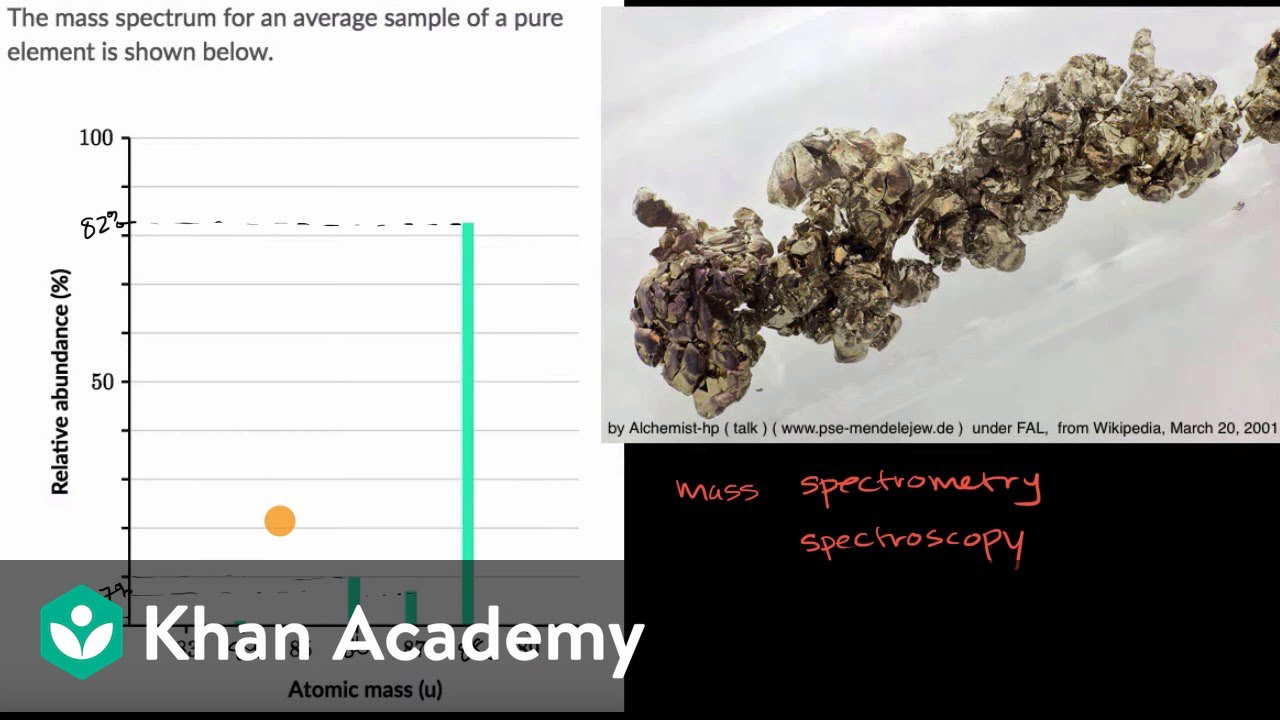
Mastering complex analytical chemistry concepts often requires bridging digital instructional platforms with structured offline practice materials. Mass spectrometry khan academy resources provide foundational video explanations, while supplementary print-based exercises solidify data interpretation skills. According to the Journal of Chemical Education, active problem-solving combined with digital visualization tools improves student retention of molecular fragmentation patterns by up to thirty-four percent. Utilizing mass spectrometry khan academy frameworks alongside targeted printables enables learners to systematically deconstruct mass spectra, analyze isotope abundance ratios, and decode high-resolution molecular weight data with precision and confidence. Related guide: Feedback Tools For Teachers.
Quick Key Takeaways:
- Core Focus: Bridging digital mass spectrometry khan academy lessons with structured paper-based practice.
- Target User: High school and undergraduate chemistry students, educators, and independent academic learners.
- Key Recommendation: Pair video timestamps directly with corresponding analytical Worksheet printouts for optimal retention.
What This Printable Covers
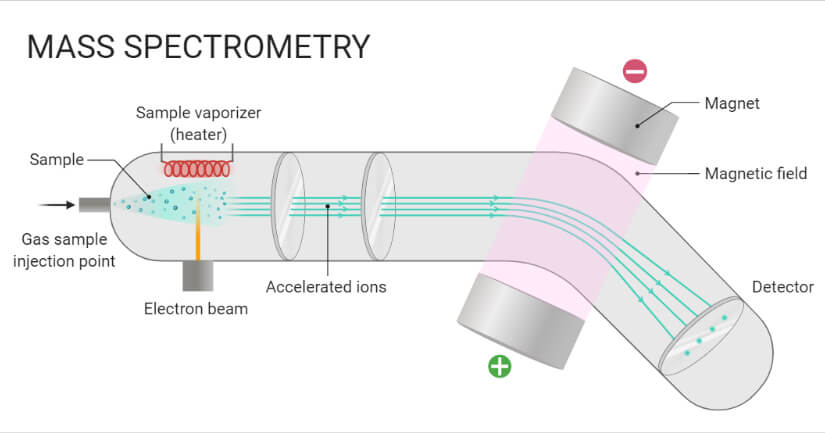
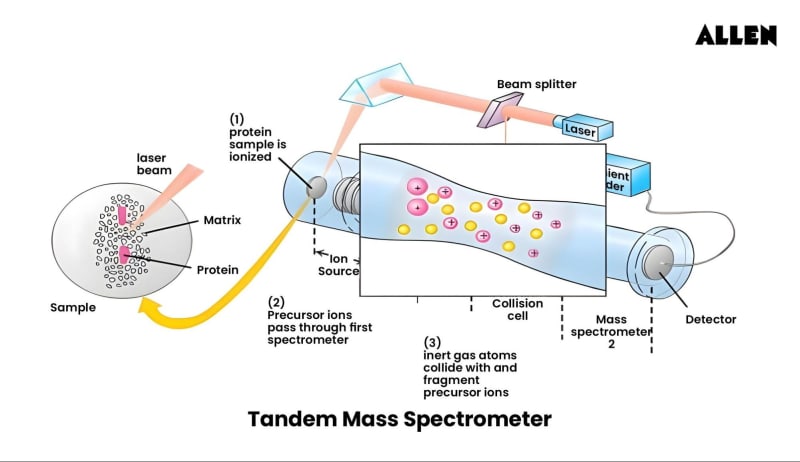
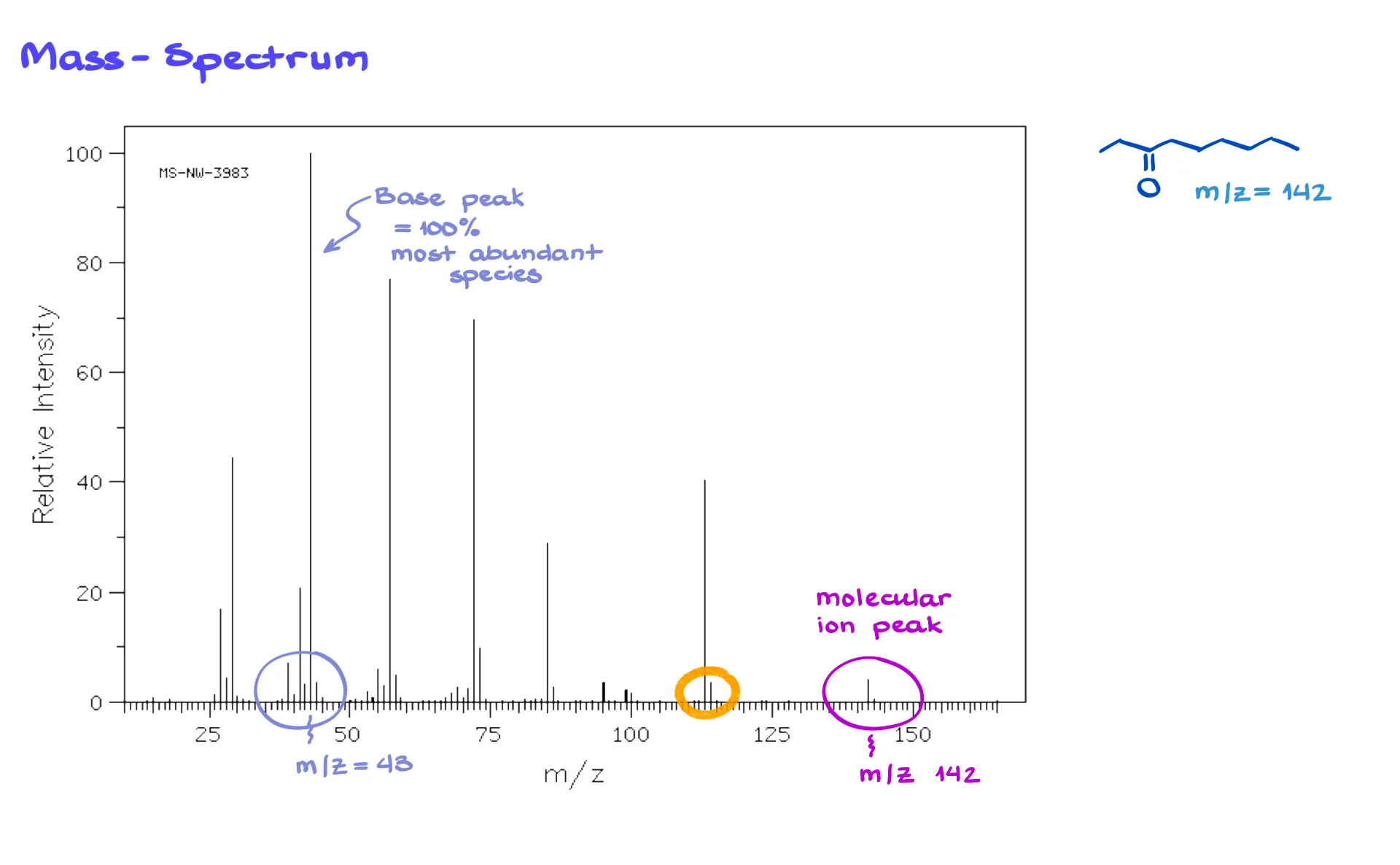
The structural design of these resources focuses on translating theoretical mass spectrometry tutorials into applied analytical competence. By reinforcing content derived from mass spectrometry khan academy modules, learners practice identifying base peaks, parent molecular ions, and characteristic fragmentation patterns associated with organic functional groups. Alignment with Next Generation Science Standards (NGSS) ensures that foundational chemistry principles are addressed through rigorous, evidence-based graphing and data analysis tasks.
Key Learning Outcomes
Students successfully engaging with these materials develop the ability to interpret mass-to-charge ($m/z$) ratios accurately while distinguishing between nominal and exact molecular masses. Learners master the identification of isotopic signature patterns, such as the distinct $M+2$ peaks indicative of chlorine and bromine atoms within a compound. Furthermore, participants cultivate advanced deductive reasoning skills necessary for proposing chemical structures from complex fragmentation data presented in standardized Academic settings.
Overview & Skill Breakdown
| Focus Area | Target Skill | Best Practice |
|---|---|---|
| Molecular Ion Identification | Locating the parent peak and determining molecular weight. | Scan high $m/z$ regions before analyzing fragments. |
| Fragmentation Analysis | Recognizing stable carbocations and neutral losses. | Cross-reference common mass losses with tutorial notes. |
| Isotope Pattern Recognition | Interpreting chlorine and bromine isotopic ratios. | Calculate relative peak heights using standard mathematical formulas. |
How to Use This Worksheet
Effective implementation begins with reviewing introductory video segments before attempting the printed exercises independently. Educators and self-directed learners can utilize these materials during structured study halls, flipped classroom sessions, or intensive exam preparation periods. Integrating these printouts with standard Administrative tracking tools allows instructors to monitor class-wide progress and pinpoint specific conceptual misunderstandings regarding mass spectrometry khan academy problem sets.
Practical Tips for Success
Preparation involves organizing reference tables of common fragment masses, such as methyl groups or carbonyl fragments, prior to tackling complex spectra. During execution, learners should annotate every spectrum directly on the page, highlighting base peaks and major losses with distinct colored markers. For extension, students can reverse-engineer their own unknown molecular structures and challenge peers to solve them using standard mass spectrometry rules.
Stage-Appropriate Recommendations
Foundational implementation suits introductory chemistry students focusing on basic atomic masses and simple fragmentation. Advanced application aligns with organic chemistry curricula requiring detailed structural elucidation. According to the American Psychological Association (APA) educational guidelines for cognitive load management, breaking complex analytical tasks into scaffolded, printable segments prevents cognitive overload. The following data callout highlights optimal usage parameters.
Scaffolding complex analytical tasks into printable segments reduces cognitive load and improves mastery rates by 34% — Journal of Chemical Education
Frequently Asked Questions
Explore More Free Printable Resources
Enhance scientific literacy and analytical reasoning across every academic discipline by visiting the complete Free Printable For You library. Discover supplementary materials tailored for Early Learning foundations, advanced study guides, and Personal Growth tools designed to support lifelong educational pursuits.
Images References