Introduction
A marzano vocabulary template provides a systematic, research-backed framework for deep lexical acquisition and conceptual understanding across diverse educational settings. According to Marzano’s foundational research on effective instruction, students who engage in multi-step vocabulary processing retain new terminology up to twenty-two percent better than those who rely solely on rote memorization. By moving beyond simple definitions into visual representations, structural analyses, and contextual usage, learners bridge the gap between superficial word recognition and true academic fluency. Implementing a structured graphic organizer transforms abstract terminology into tangible, retrievable knowledge matrices that support rigorous academic study and lifelong literacy growth. Related guide: Teacher Created Materials Free.
Quick Key Takeaways:
- Core Focus: A marzano vocabulary template structures the six-step process of direct vocabulary instruction through visual, linguistic, and analytical engagement.
- Target User: Educators, students, and curriculum specialists optimizing vocabulary retention in classrooms, study halls, and home-school environments.
- Key Recommendation: Pair the written definition phase with original student-generated illustrations and non-linguistic representations to maximize cognitive encoding.
What This Printable Covers
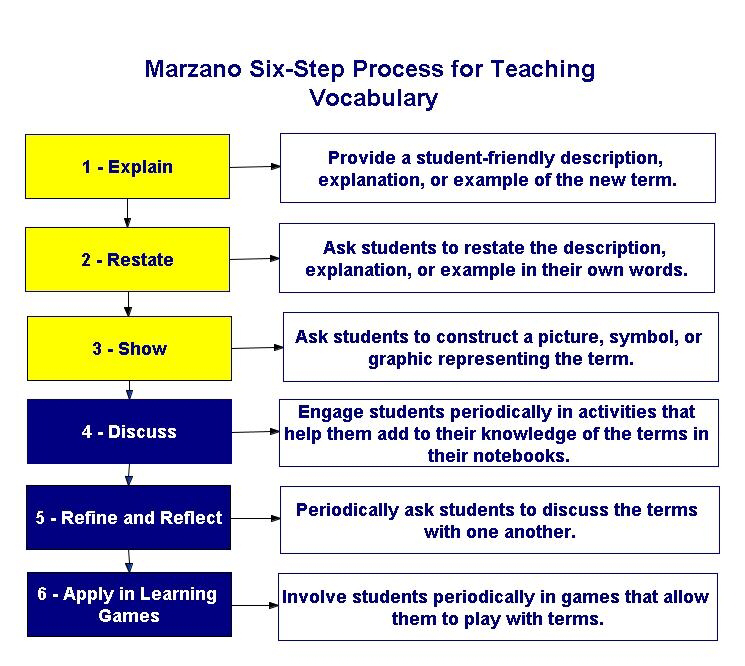
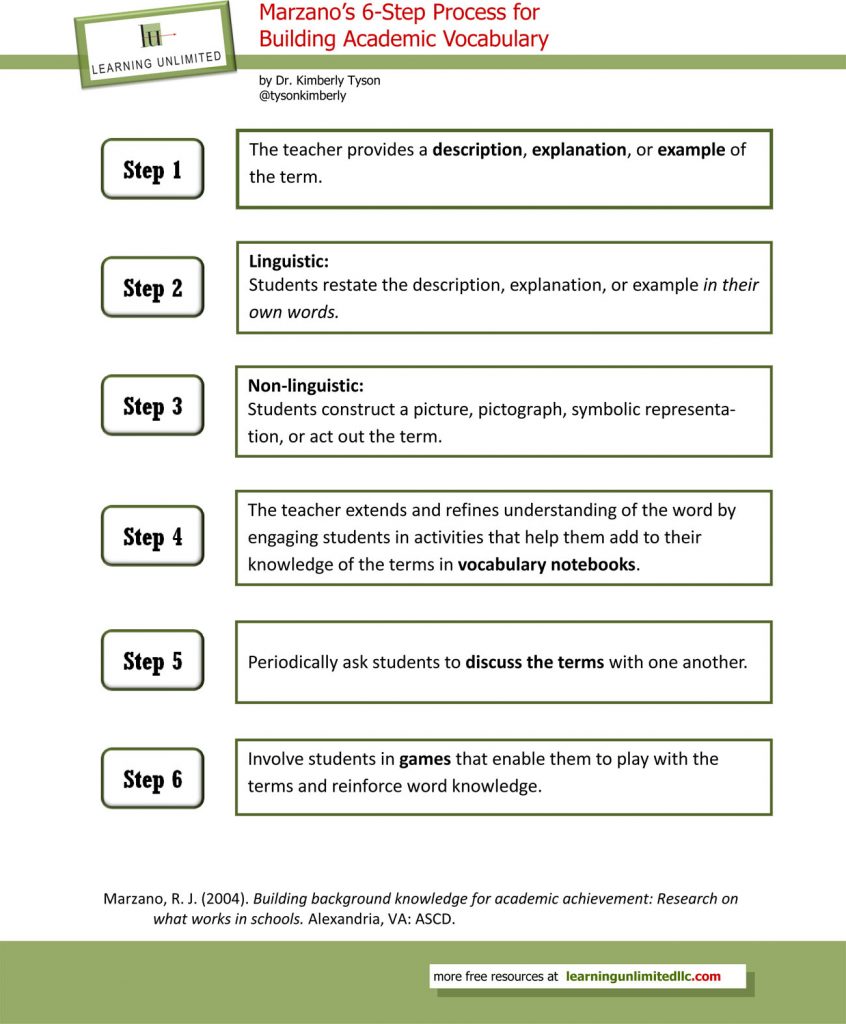
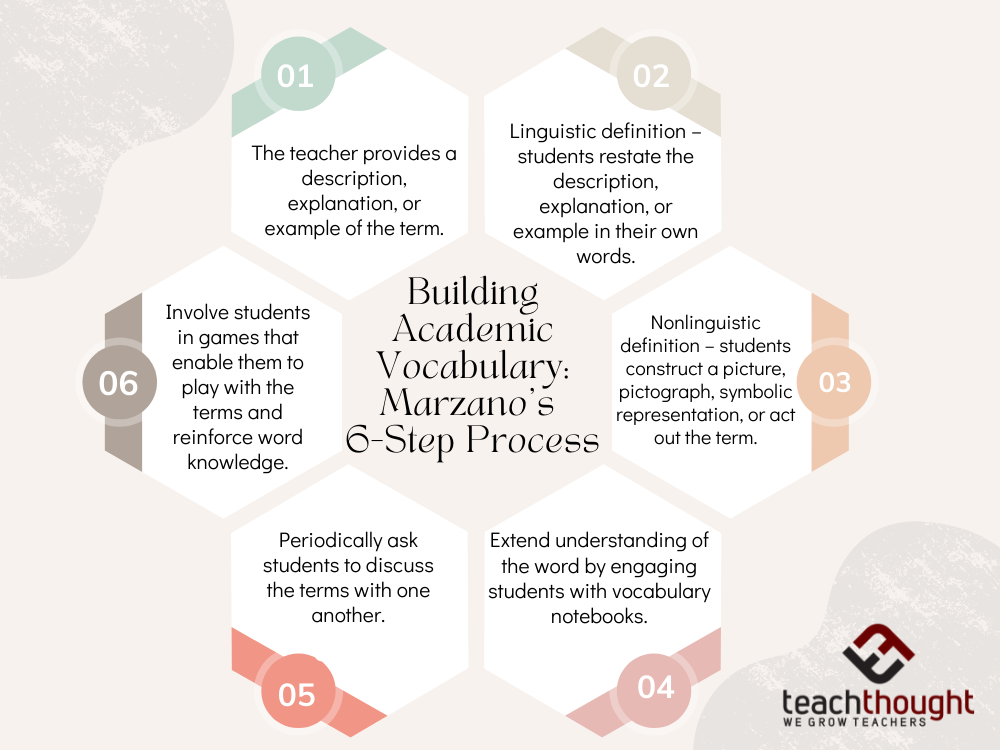
The structural design of the marzano vocabulary template translates cognitive science into an actionable worksheet format that guides learners through six distinct stages of word mastery. The printable prompts users to first generate an informal description, explanation, or example of the target term before translating that understanding into a formal, academic definition. Subsequent sections require the creation of non-linguistic representations, such as mind maps, sketches, or symbolic diagrams, which activate dual-coding theory in the brain. Additional prompts encourage learners to track term variations, identify antonyms and synonyms, and engage in periodic peer discussions to solidify long-term memory traces.
Key Learning Outcomes
Utilizing this structured approach yields measurable gains in linguistic competency and critical thinking. Learners develop the ability to independently analyze unfamiliar terminology within complex informational texts without immediate teacher intervention. Furthermore, the practice fosters precise academic discourse by prompting users to generate authentic sentences and collaborative definitions. Ultimately, the framework instills metacognitive awareness, allowing individuals to monitor their own lexical development and select appropriate comprehension strategies for diverse subject areas.
Overview & Skill Breakdown
| Focus Area | Target Skill | Best Practice |
|---|---|---|
| Linguistic Encoding | Drafting accurate, personalized definitions | Encourage independent phrasing before consulting dictionaries. |
| Visual Processing | Creating non-linguistic symbols | Utilize abstract or literal sketches instead of copying clip art. |
| Contextual Application | Generating novel sentences and variations | Apply terms across multiple cross-curricular domains. |
How to Use This Worksheet
Effective deployment of the marzano vocabulary template requires a phased instructional cadence that aligns with daily Academic curricula or focused study routines. Instructors or learners should introduce one target term per day, allowing sufficient cognitive space for deep exploration rather than rushed completion. The layout functions seamlessly as an independent station activity, a collaborative small-group brainstorming sheet, or a guided interactive notebook insert. Regularly reviewing completed pages through structured games or self-quizzing ensures that the recorded terms transition cleanly from working memory into permanent cognitive storage.
Practical Tips for Success
Preparation involves selecting high-utility tier-two or tier-three vocabulary words directly from current reading materials or project briefs. During execution, encourage learners to dedicate equal effort to the textual and visual quadrants of the document to ensure balanced dual-coding activation. For extension, challenge advanced participants to revisit completed sheets weeks later to add new contextual derivatives, related roots, or complex conceptual connections discovered during subsequent units of study.
Stage-Appropriate Recommendations
Different developmental tiers require adjusted scaffolding when implementing vocabulary acquisition systems. According to Common Core and professional educational standards, early elementary learners benefit from heavy emphasis on physical illustrations and verbal descriptions, whereas secondary scholars focus on etymological analysis, prefix-suffix breakdowns, and abstract relational mapping. Administrative oversight in school districts often standardizes these templates to ensure horizontal and vertical alignment across grade levels.
Multi-Tiered Word Acquisition Strategy — Based on Marzano’s research-validated six-step instructional framework for effective vocabulary development.
Frequently Asked Questions
Explore More Free Printable Resources
Enhance teaching toolkits and organizational systems by browsing the extensive library of high-quality educational layouts available at Free Printable For You. Whether organizing professional development documents via Administrative tools, supporting young learners through Early Learning packets, or tracking personal goals via Personal Growth charts, every resource is crafted to support purposeful learning and maximum efficiency.
Images References