Introduction
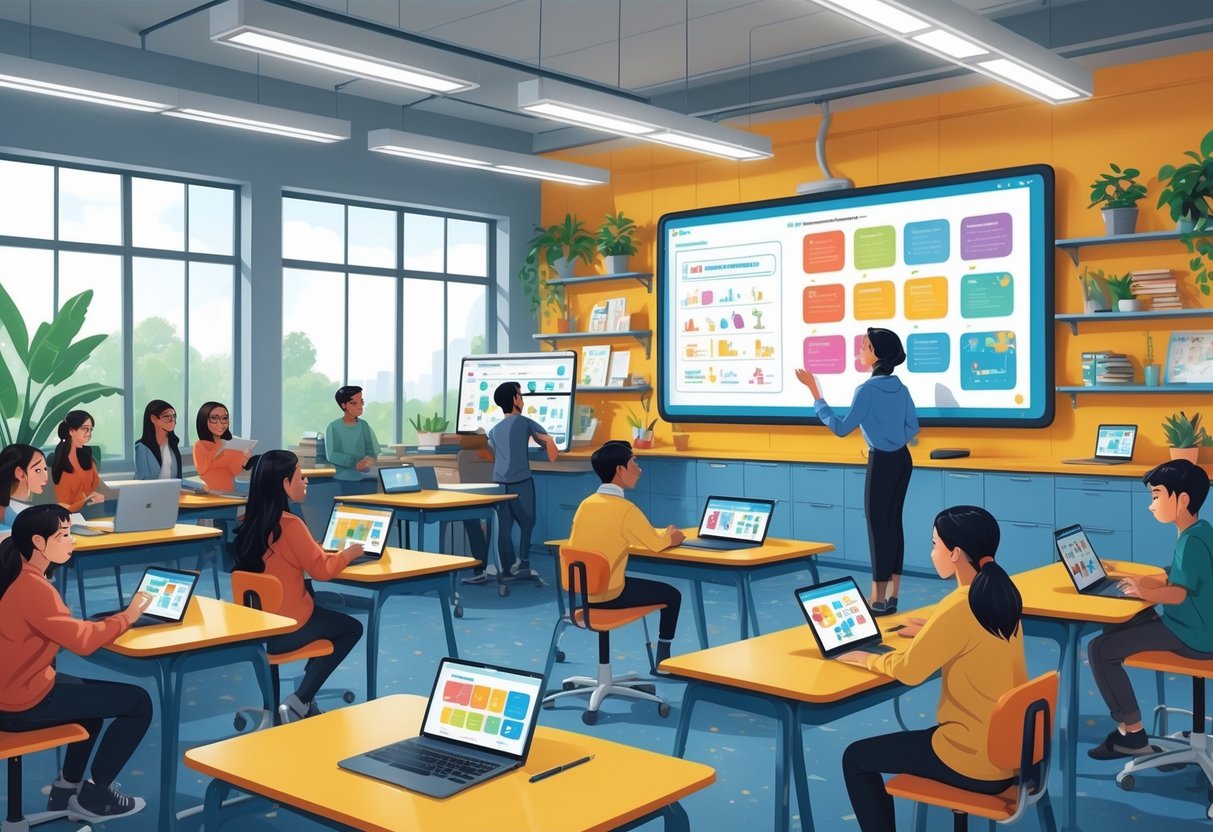
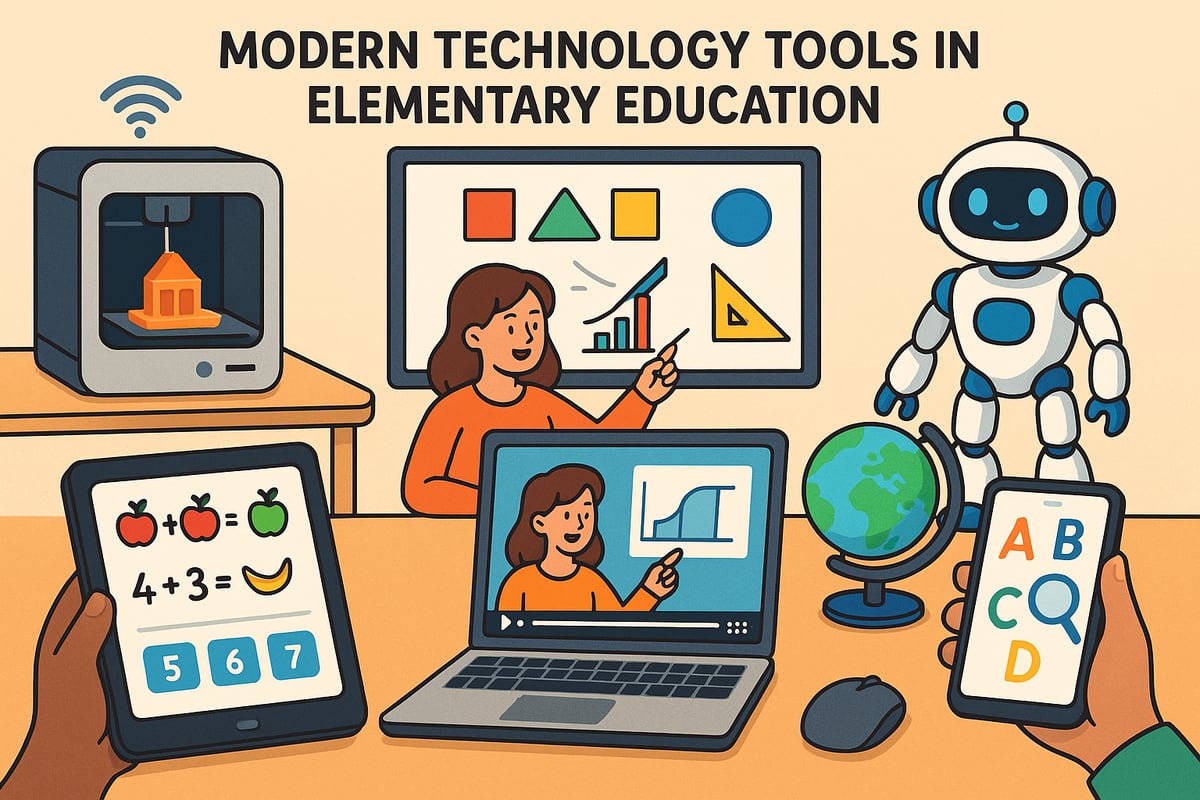
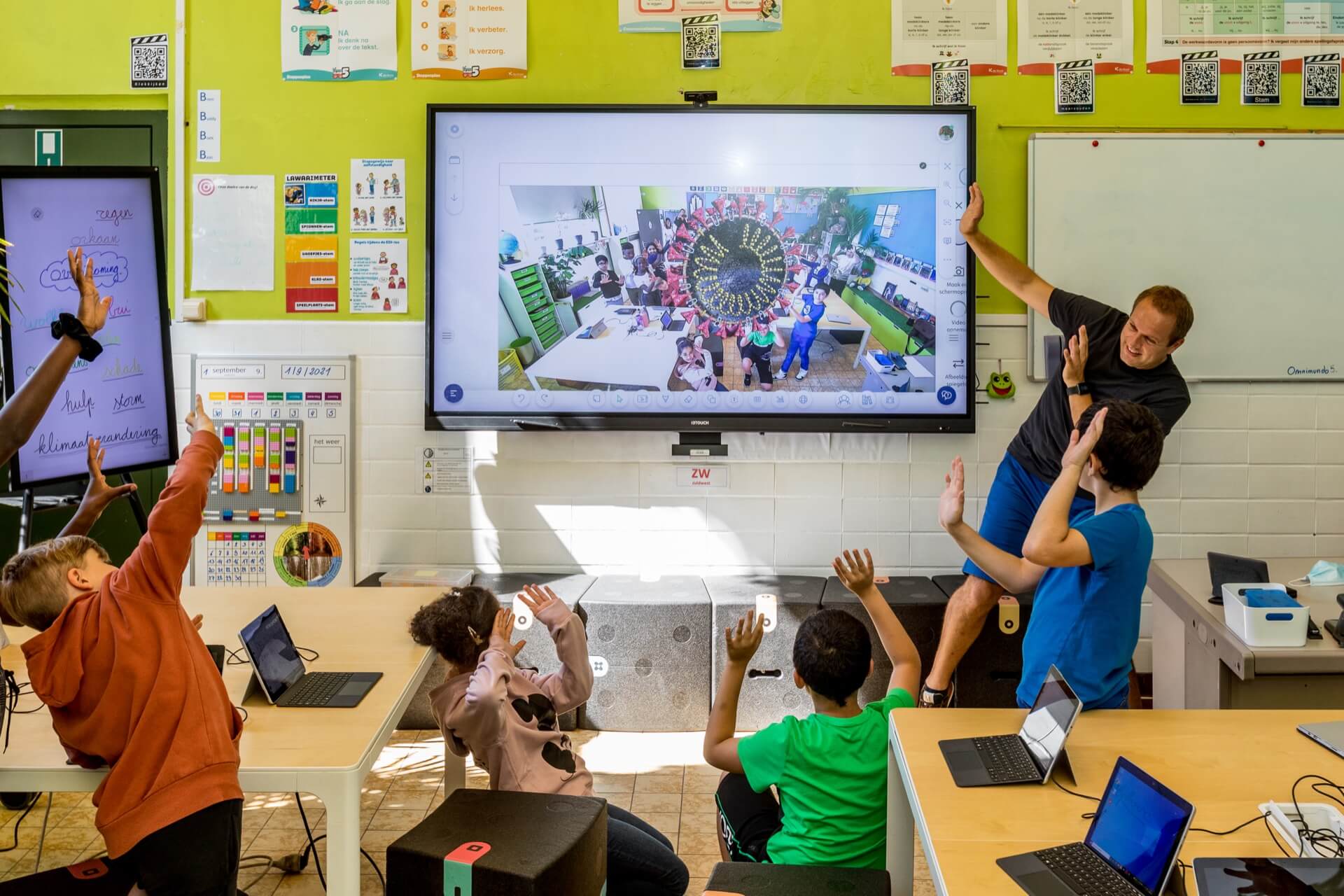
Modern teaching tools encompass structured physical and digital resources designed to optimize lesson delivery, enhance organization, and boost information retention in educational settings. According to the U.S. Department of Education, the strategic integration of structured pedagogical assets significantly improves student focus and task completion rates. Modern teaching tools bridge the gap between abstract educational concepts and daily classroom execution, providing educators and learners with reliable frameworks for success. Utilizing these resources effectively requires an understanding of how structured layouts support cognitive processing and skill mastery across diverse learning environments.
Quick Key Takeaways:
- Core Focus: Implementation of modern teaching tools to streamline instruction and boost cognitive engagement.
- Target User: Educators, school administrators, and homeschooling parents managing structured curricula.
- Key Recommendation: Pair physical printouts with digital trackers for comprehensive progress monitoring.
What This Printable Covers
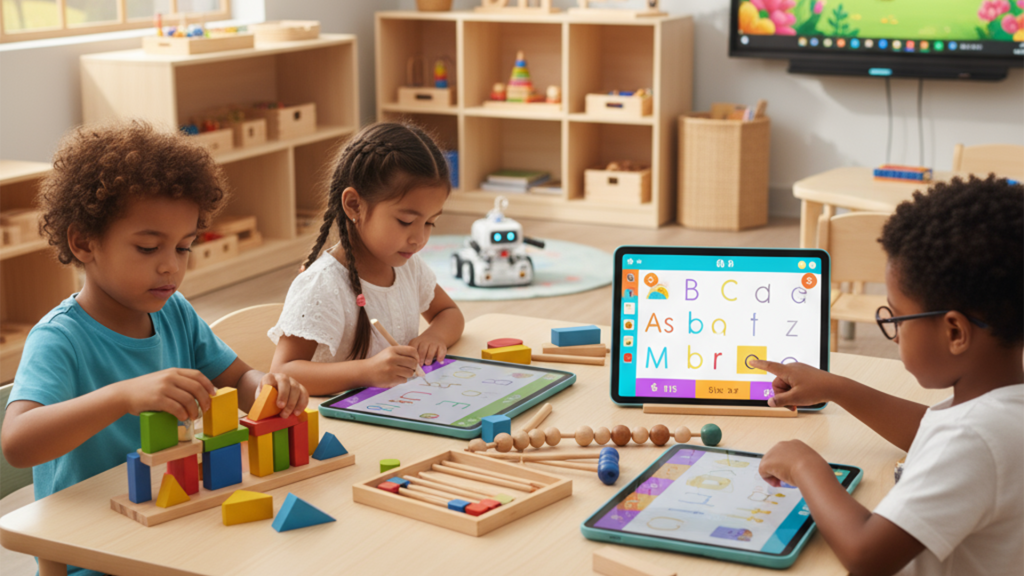
The resource suite addresses structural organization, pedagogical delivery, and tracking mechanisms necessary for effective instruction. Content spans foundational Academic subjects alongside efficient Administrative workflow designs. By establishing clear visual hierarchies, these assets help reduce cognitive overload and streamline multi-step learning objectives for learners of varying capabilities. For younger populations, foundational Early Learning frameworks are integrated to support early childhood development milestones through structured practice.
Key Learning Outcomes
Users achieve measurable improvements in time management, lesson clarity, and concept retention. The integration of a standard Worksheet format guarantees uniform application across classroom groups. Furthermore, targeted resources dedicated to Personal Growth foster self-directed habits and independent tracking skills among mature learners and students alike.
Overview & Skill Breakdown
| Focus Area | Target Skill | Best Practice |
|---|---|---|
| Curriculum Planning | Lesson sequencing and pacing | Align daily tasks with overarching term goals |
| Cognitive Engagement | Active information processing | Incorporate guided practice intervals |
| Progress Tracking | Formative assessment review | Update tracking charts weekly for accurate data |
How to Use This Worksheet
Implementation begins with selecting materials that match current instructional objectives and learner readiness levels. Educators distribute printed assets at the start of instructional blocks to anchor attention and outline expectations. Consistent utilization establishes reliable routines, minimizing transition times and maximizing actual instruction duration across academic and administrative settings.
Practical Tips for Success
Preparation involves reviewing the layout in advance to anticipate potential comprehension roadblocks or pacing adjustments. During execution, encourage active participation by having users articulate their reasoning alongside written responses. For extension, incorporate related supplemental printouts or peer review sessions to reinforce newly acquired competencies.
Stage-Appropriate Recommendations
Beginner stages require simplified visual structures and reduced information density to prevent cognitive fatigue. Advanced stages benefit from open-ended inquiry frameworks and complex organizational templates. According to the National Association for the Education of Young Children (NAEYC) guidelines, instructional materials must align closely with developmental milestones, ensuring appropriate challenge levels and sustained engagement for all participants.
Structured pedagogical assets significantly improve student focus and task completion rates. — U.S. Department of Education
Frequently Asked Questions
Q: How can modern teaching tools be accessed and downloaded?
A: Users can instantly download free PDF formats directly from the resource library for immediate classroom printing.
Q: What is the primary practical benefit of these materials?
A: They streamline lesson organization, improve instructional pacing, and enhance student engagement through clear visual structures.
Q: Are these resources aligned with trusted educational frameworks?
A: Yes, designs adhere to standards established by organizations such as the NAEYC for age-appropriate developmental learning.
Explore More Free Printable Resources
Expanding instructional toolkits helps maintain high engagement and structured organization throughout the educational journey. Discover hundreds of supplementary aids by visiting the full library at Free Printable For You to support every unique learning environment.
Images References