Introduction
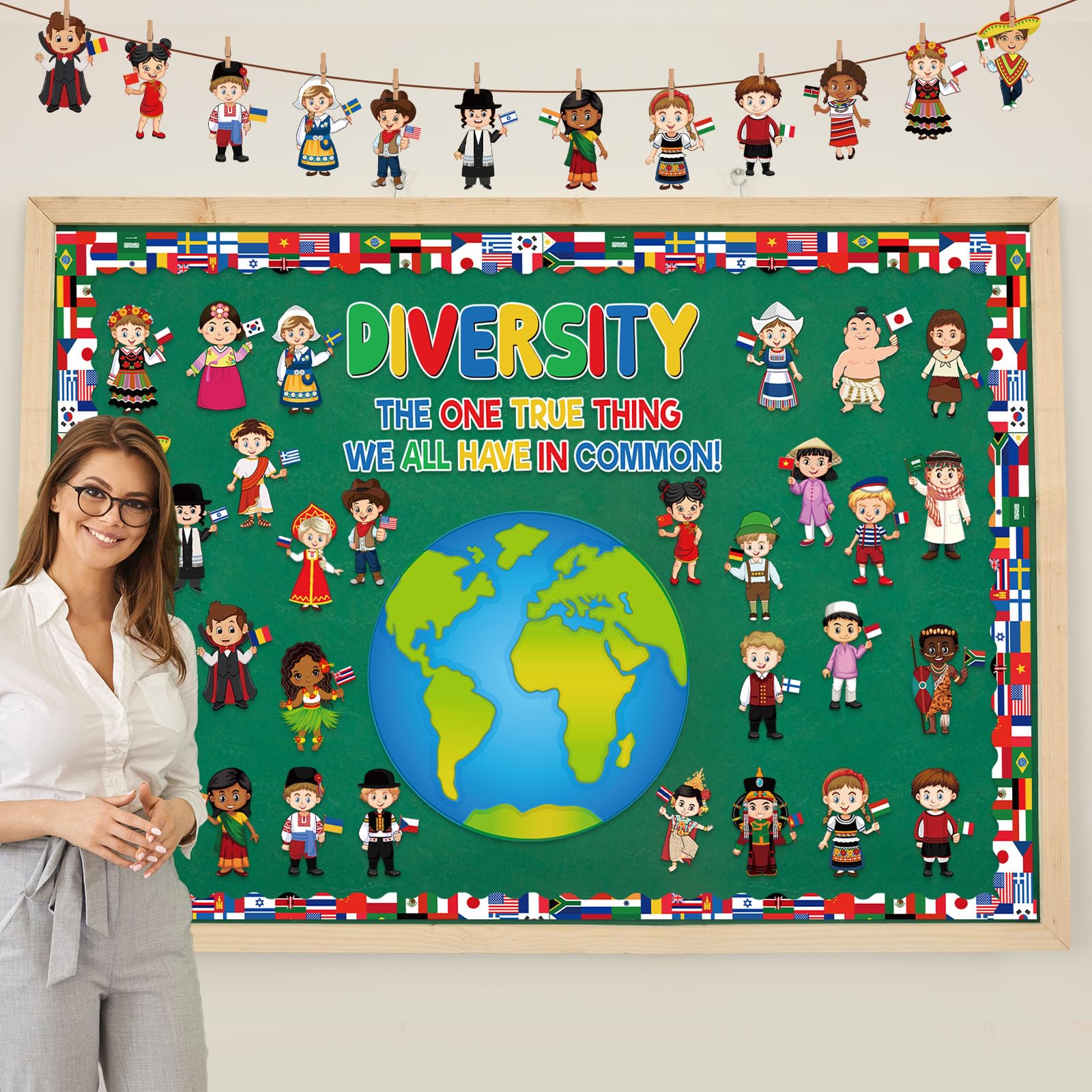
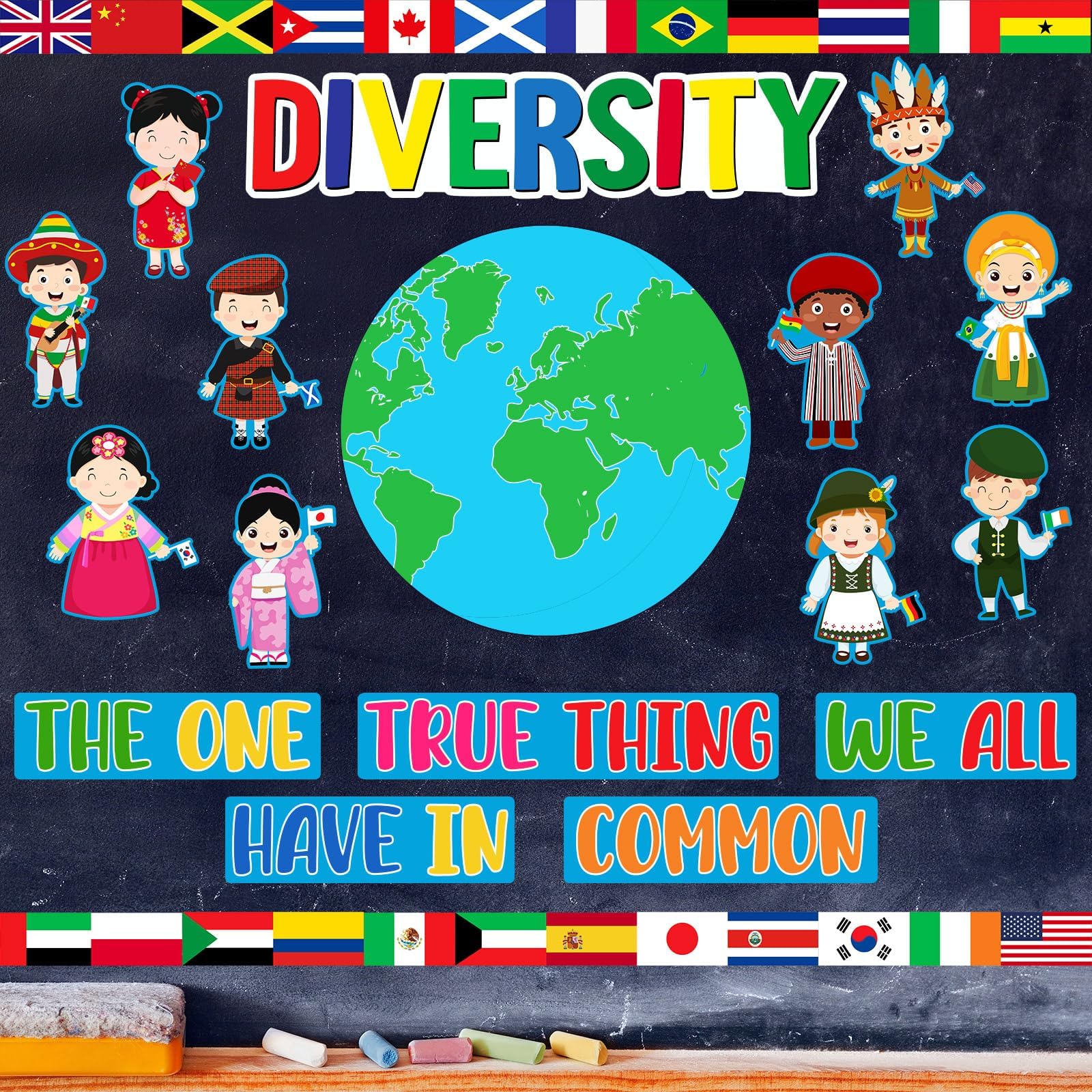
Multicultural bulletin board ideas serve as vital visual frameworks that promote inclusivity, cultural awareness, and global empathy within educational and communal spaces. According to the Journal of Educational Psychology, intentional exposure to diverse cultural representations in learning environments significantly enhances intercultural empathy and reduces social bias among participants. Implementing structured multicultural bulletin board ideas transforms ordinary walls into dynamic learning hubs where individuals engage with global traditions, languages, and histories on a daily basis. By combining visual geography displays with Academic integrations, facilitators can reinforce social studies curricula while fostering a welcoming environment that honors every learner’s unique heritage.
Quick Key Takeaways:
- Core Focus: Practical design frameworks and templates for multicultural bulletin board ideas.
- Target User: Educators, administrators, and parents designing inclusive learning environments.
- Key Recommendation: Combine interactive map elements with student-contributed cultural artifacts for maximum engagement.
What This Printable Covers
This comprehensive resource package delivers structured templates, border designs, interactive prompt cards, and informational cards tailored specifically for multicultural bulletin board ideas. The design centers on fostering global citizenship, improving cross-cultural communication, and celebrating traditions from around the world. These visual tools bridge the gap between abstract geographical concepts and tangible human experiences, ensuring that learners connect deeply with the material presented. Furthermore, these materials align seamlessly with Early Learning standards for social-emotional development and cultural identity exploration.
Key Learning Outcomes
Users engaging with these bulletin board materials develop heightened observational skills regarding global geography and cultural traditions. Participants expand their multicultural vocabulary by learning key phrases, historical figures, and artistic styles originating from various continents. Additionally, the collaborative nature of assembling these displays cultivates teamwork, active listening, and mutual respect among peers. These combined outcomes support continuous Personal Growth through the lens of empathy and global awareness.
Overview & Skill Breakdown
| Focus Area | Target Skill | Best Practice |
|---|---|---|
| Cultural Mapping | Global Geography & Location Identification | Pair printable flag cutouts with corresponding native greetings. |
| Historical Figures | Biographical Research & Critical Thinking | Highlight diverse innovators across science, arts, and civics. |
| Interactive Prompts | Reflective Writing & Peer Appreciation | Include index card pockets for learners to share family traditions. |
How to Use This Worksheet
Deploying these multicultural bulletin board ideas requires careful planning of wall real estate and thematic sequencing throughout the academic term. Facilitators can begin by establishing a foundational map or timeline layout, then systematically add printable feature cards, vocabulary terms, and student work samples each week. For organizational tracking and logistical planning related to school displays, utilizing standardized Administrative logs ensures a balanced rotation of cultural themes. To maximize educational impact, educators should pair the physical display board with a corresponding Worksheet that encourages independent reflection on the featured culture.
Practical Tips for Success
Preparation involves laminating reusable banner headers, border strips, and informational cards to withstand high-traffic environments over extended periods. Execution is most effective when bulletin board content reflects the actual demographics and interests of the participating learning community, inviting authentic family contributions where possible. Extension activities can transform static visual boards into living exhibits by scheduling short presentations, cultural artifact sharing sessions, or collaborative art projects tied directly to the current monthly theme.
Stage-Appropriate Recommendations
Beginner environments benefit from simplified, highly visual displays featuring vibrant world flags, basic greetings, and concrete cultural symbols that resonate with younger minds. According to the National Association for the Education of Young Children (NAEYC) standards, early childhood environments should explicitly reflect the cultural diversity of children and families through accessible, positive imagery. Advanced implementations transition toward inquiry-based investigations, exploring diaspora histories, indigenous contributions, and complex global interconnectedness through detailed timelines and interactive prompt boards.
Intentional exposure to diverse cultural representations in learning environments significantly enhances intercultural empathy and reduces social bias — Journal of Educational Psychology
Frequently Asked Questions
Explore More Free Printable Resources
Transforming learning environments with inclusive design becomes effortless when utilizing curated visual tools and organizational aids. Discover hundreds of complimentary templates, charts, and educational displays designed to elevate classrooms and homes by visiting the full library at Free Printable For You.
Images References