Introduction
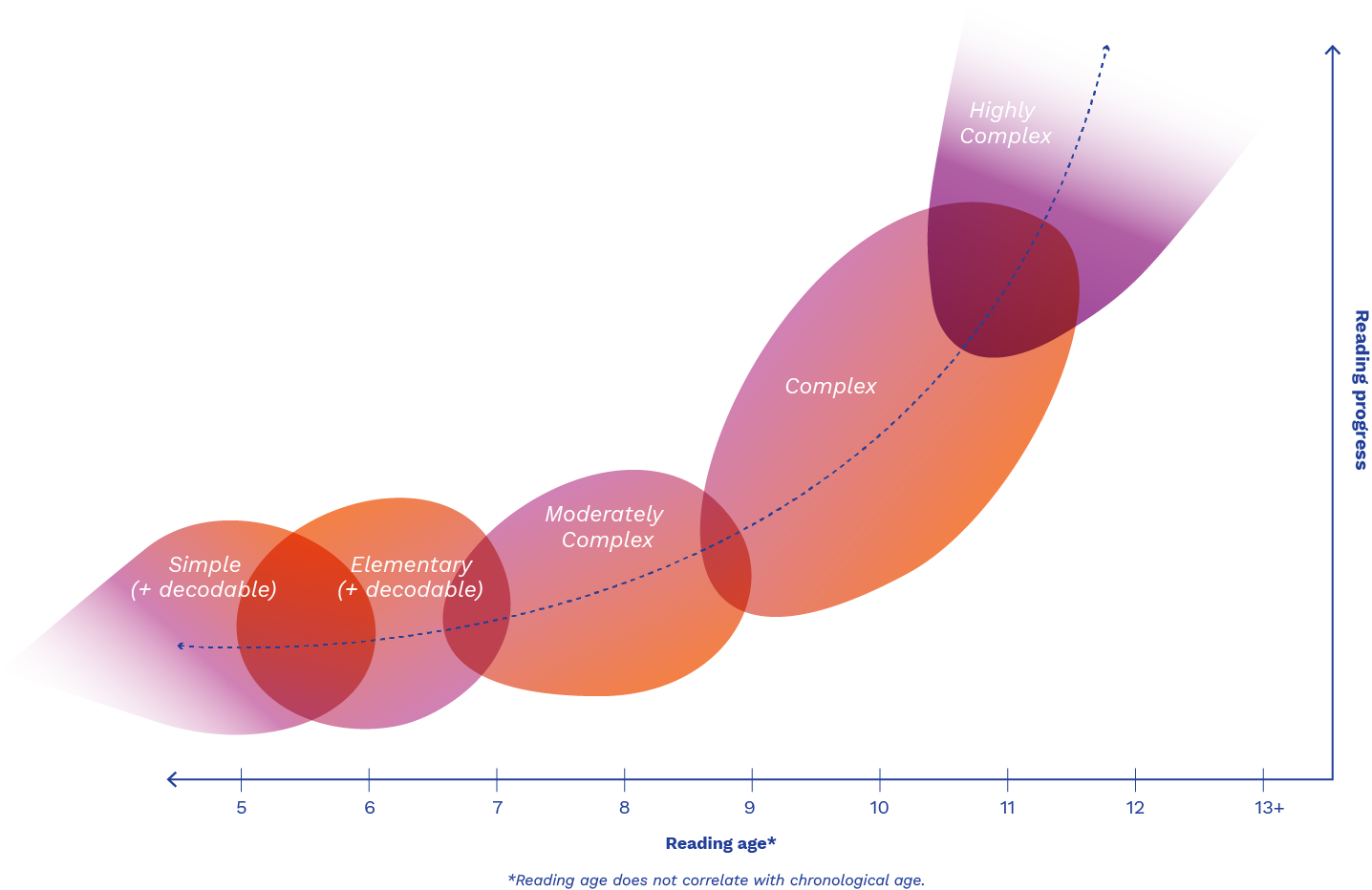
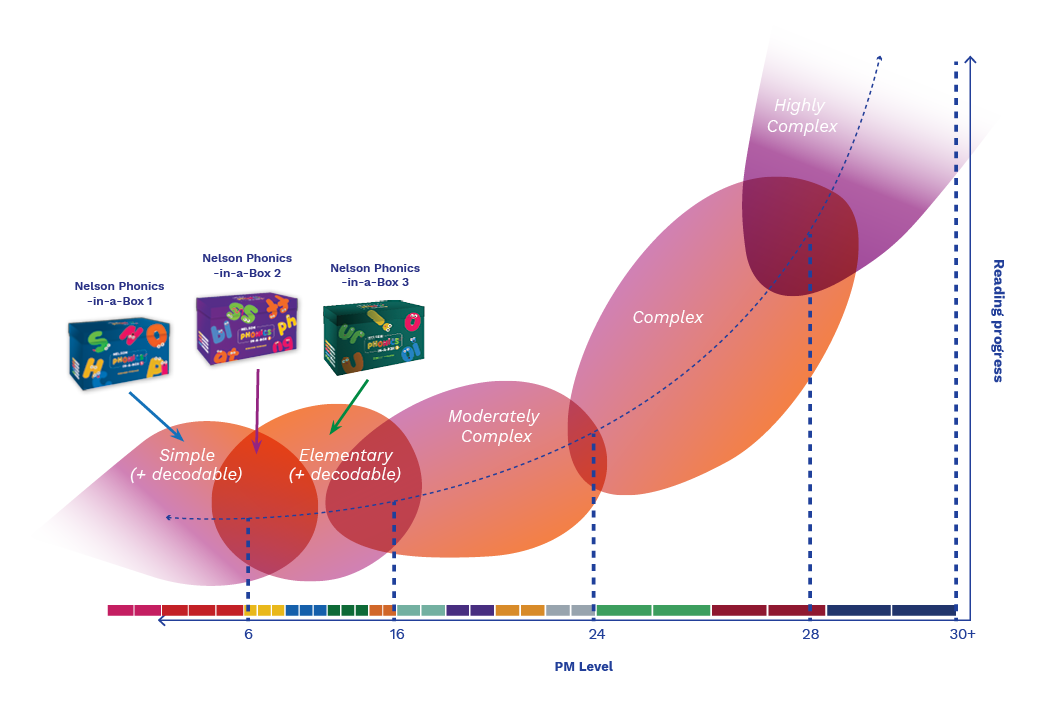
National literacy learning progression functions as a systematic roadmap detailing how reading, writing, and communication skills develop across a lifetime. According to the National Early Literacy Panel, structured skill trajectories significantly improve foundational reading outcomes by providing clear, sequential milestones for educators and parents alike. This framework maps the cognitive acquisition of language, transitioning learners from basic phonetic awareness to advanced critical comprehension. Structured documentation tools, such as those found within specialized Academic resources, assist in tracking these critical developmental milestones efficiently.
Quick Key Takeaways:
- Core Focus: A structured developmental framework mapping reading, writing, and oral language acquisition across sequential educational milestones.
- Target User: Educators, curriculum coordinators, and parents guiding structured literacy development in academic or home environments.
- Key Recommendation: Align regular assessment tasks directly with established progression indicators to monitor individual growth effectively.
What This Printable Covers
The printable resource delineates the complex architecture of reading development into manageable, observable sub-skills. It integrates phonological awareness, alphabet knowledge, vocabulary acquisition, and reading comprehension into a cohesive tracking matrix. Users can navigate foundational literacy phases with precision, utilizing layout designs optimized for diagnostic evaluation and targeted intervention planning. For broader organizational tracking of student achievement metrics, complementary administrative tools are accessible via Administrative categories.
Key Learning Outcomes
Learners advance through clearly defined phases, beginning with the mastery of phoneme-grapheme correspondence and oral blending. Subsequent milestones emphasize vocabulary expansion, contextual decoding, and syntactic fluency in written expressions. Higher-level outcomes focus on critical literacy analysis, enabling students to evaluate author intent, synthesize multiple informational texts, and construct sophisticated arguments. These progressive benchmarks ensure that no critical developmental gap remains unaddressed during foundational and intermediate learning years. Related guide: Alphabet Practice Sheets.
Overview & Skill Breakdown
| Focus Area | Target Skill | Best Practice |
|---|---|---|
| Phonological Awareness | Sound isolation and blending | Use daily oral sound games before introducing text-based tasks. |
| Reading Comprehension | Literal and inferential analysis | Prompt learners to predict outcomes and summarize key paragraphs. |
| Written Expression | Syntactic structure and vocabulary | Integrate structured Worksheet templates for daily writing practice. |
| Oral Fluency | Pacing, expression, and phrasing | Implement repeated reading strategies using age-appropriate passages. |
How to Use This Worksheet
Implementation requires a baseline diagnostic assessment to determine the exact developmental band of the learner. Educators and parents select targeted pages corresponding to identified skill gaps, utilizing the progression indicators to map out short-term instructional goals. Regular check-ins ensure that instructional adjustments happen dynamically, reinforcing weaker competencies before advancing to complex text structures. Continuous tracking supports targeted interventions tailored to individual learning speeds.
Practical Tips for Success
Preparation involves gathering multisensory manipulatives, such as letter tiles and highlighters, to support active engagement with the printable layout. During execution, maintain a low-stress environment by limiting drill sessions to brief, highly focused intervals that prevent cognitive fatigue. For extension, connect tracked literacy markers to authentic reading experiences, encouraging learners to apply newly mastered decoding strategies within trade books and authentic literature.
Stage-Appropriate Recommendations
Early learning frameworks, such as guidelines established by the National Association for the Education of Young Children (NAEYC), emphasize play-based phonics and print motivation during initial developmental phases. According to NAEYC, systematic exposure to alphabet awareness and phonological concepts during early childhood establishes a robust foundation for subsequent reading independence. As learners transition into middle childhood and adolescence, expectations shift toward advanced critical literacy, morphological analysis, and autonomous text navigation. Supporting lifelong learners in developing advanced comprehension skills can be further enhanced through targeted Personal Growth strategies and goal-setting frameworks.
Systematic exposure to phonological concepts during early childhood establishes a robust foundation for subsequent reading independence. — National Association for the Education of Young Children (NAEYC)
Frequently Asked Questions
- How do I download this resource?
Click the download link on the main resource page to access the high-resolution PDF file instantly for printing or digital use. - What is the practical benefit of this progression?
It provides clear, measurable benchmarks that help identify exact learning needs, ensuring targeted and effective literacy instruction. - Is this framework based on trusted guidelines?
Yes, the structure aligns with established developmental milestones recommended by leading early childhood and literacy education panels.
Explore More Free Printable Resources
Discover a comprehensive collection of educational materials designed to support learners at every developmental stage. Whether organizing an entire curriculum or supporting targeted literacy interventions at home, explore the full library at Free Printable For You to access high-quality educational assets.
Images References