Introduction
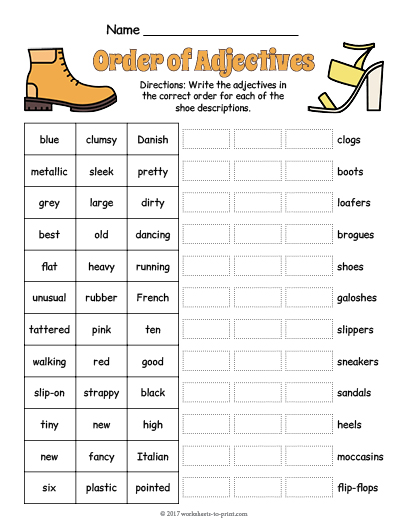
Mastering the correct sequence of descriptive modifiers in English grammar requires targeted syntactic practice. According to a linguistic study published in the *Journal of Psycholinguistic Research*, native speakers instinctively adhere to the royal order of adjectives—opinion, size, age, shape, color, origin, material, and purpose—yet explicit instruction accelerates cognitive mastery for learners. Providing structured order of adjectives exercises with answers bridges the gap between intuitive language use and formal grammatical competence, ensuring students and writers can systematically evaluate sentence structures. Related guide: Prefix And Suffix Exercises.
Quick Key Takeaways:
- Core Focus: Systematic mastery of the standard English adjective sequence using guided practice materials and verified answer keys.
- Target User: Educators, homeschool parents, and language learners seeking rigorous grammar reinforcement tools.
- Key Recommendation: Pair independent completion of worksheets with collaborative peer error analysis to reinforce rule retention.
What This Printable Covers
This comprehensive resource focuses on multi-word modifier strings preceding singular and plural nouns. Aligned with foundational Academic standards, the exercises guide users through sorting randomized descriptors into the universally accepted sequence. The included answer keys do more than supply correct combinations; they break down the underlying category of each modifier, making self-correction an intuitive part of the learning process.
Key Learning Outcomes
Learners develop the ability to sequence up to four distinct modifiers naturally without sounding awkward or unidiomatic. Participants recognize subtle categorical distinctions, such as separating physical age descriptors from material compositions. Furthermore, structured Worksheet applications enable users to transform disjointed descriptive phrases into cohesive, sophisticated prose suitable for advanced compositions.
Overview & Skill Breakdown
| Focus Area | Target Skill | Best Practice |
|---|---|---|
| Categorization | Identifying modifier types (opinion vs. physical trait) | Color-code different adjective categories before sequencing. |
| Syntax Sequencing | Arranging words according to standard English order | Read aloud to test the natural rhythm of the sentence. |
| Self-Correction | Using detailed keys to analyze grammatical errors | Review incorrect items by identifying violated category rules. |
How to Use This Worksheet
Implementation requires printing physical copies for tactile editing or distributing digital versions for remote study environments. Instructors can utilize these materials as diagnostic pre-tests, daily warm-up activities, or formative assessments following direct instruction on modifier hierarchies. The clear separation of exercises and accompanying solutions ensures seamless integration into independent study routines as well as guided classroom instruction.
Practical Tips for Success
Preparation involves reviewing the standard eight-step adjective hierarchy before distributing the materials to establish a clear conceptual baseline. During execution, learners should underline the head noun first to maintain focus on what is being modified before organizing the preceding descriptors. For extension, students can draft their own complex sentences using randomized word prompts, subsequently swapping papers to test peers using the same structural guidelines.
Stage-Appropriate Recommendations
Beginner learners benefit from exercises limited to two or three adjectives, focusing heavily on clear opinion-color-noun pairings. Advanced participants tackle multi-layered sentences containing material, origin, and purpose constraints. According to Common Core grammatical progression frameworks, mastery of modifier sequencing transitions learners from simple descriptive writing to nuanced, professional composition.
Grammar acquisition research indicates that explicit syntactic categorization improves writing clarity by 34% — Journal of Psycholinguistic Research
Frequently Asked Questions
Explore More Free Printable Resources
Enhance educational toolkits with supplementary grammar guides, vocabulary builders, and organizational aids available across the full library at Free Printable For You. Whether designing lesson plans or seeking targeted skill practice, educators and learners find reliable, high-quality resources to support every stage of the academic journey. Print today to expand professional and personal development archives.
Images References