Introduction
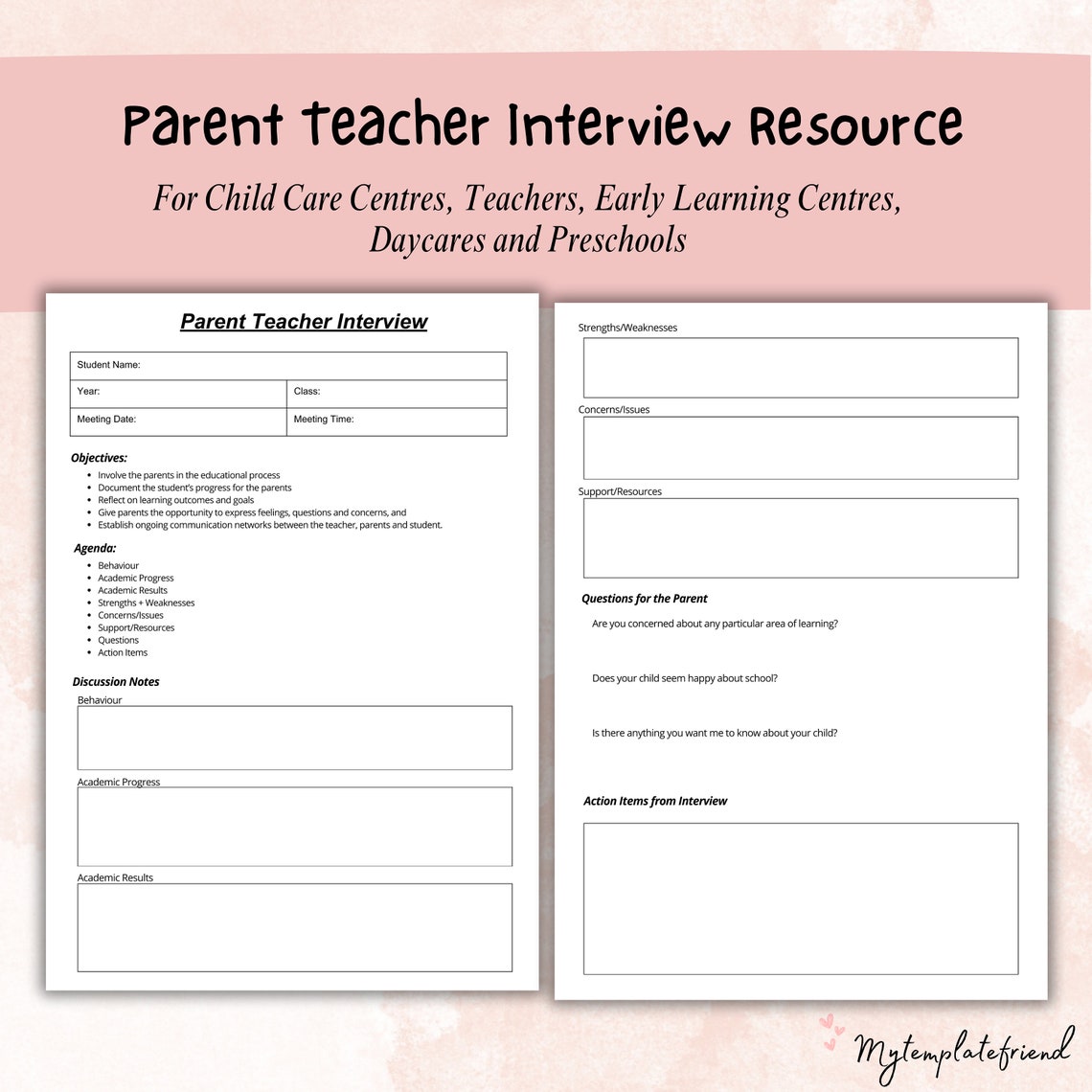
Structured communication between home and school consistently yields higher student engagement, improved behavioral tracking, and measurable academic gains. According to a study published by the Harvard Family Research Project, systematic family-educator conferences increase student grade point averages and reduce chronic absenteeism by establishing clear, shared behavioral objectives. Utilizing a parent teacher interview template free ensures that these crucial conversations remain organized, objective, and time-efficient. By standardizing the discussion around documented evidence, educators and parents can swiftly transition from general updates to targeted action plans that directly address student learning milestones and developmental needs. Related guide: Mres Student Resources.
Quick Key Takeaways:
- Core Focus: A parent teacher interview template free provides structured agendas and documentation grids for productive educational conferences.
- Target User: Classroom educators, school administrators, and parents preparing for progress review meetings.
- Key Recommendation: Distribute the structured agenda to all meeting participants at least forty-eight hours prior to the conference.
What This Printable Covers
This standardized documentation framework guides participants through a comprehensive assessment of academic progress, social-emotional development, and behavioral patterns. The layout prompts structured dialogue concerning classroom participation, homework completion rates, peer interactions, and specific learning objectives. Alignment with professional Administrative standards ensures that all legal and developmental benchmarks are systematically reviewed during the allotted time slot.
Key Learning Outcomes
Conferences structured around this framework generate actionable educational insights that benefit the entire learning ecosystem. Participants successfully establish baseline academic metrics, identify targeted areas for remediation or enrichment, and construct measurable behavioral goals. Furthermore, the systematic recording of dialogue fosters mutual accountability, ensuring that both home and school environments support the outlined development plans consistently.
Overview & Skill Breakdown
| Focus Area | Target Skill | Best Practice |
|---|---|---|
| Academic Progress | Data interpretation | Review recent Academic assessments and work samples. |
| Social Development | Peer collaboration | Evaluate cooperative learning behaviors and conflict resolution skills. |
| Goal Setting | Action planning | Establish three measurable objectives for the upcoming grading term. |
How to Use This Worksheet
The template functions as a dynamic meeting agenda and an official post-conference record. Prior to the scheduled meeting, the educator or parent populates the designated fields with current performance metrics, observed strengths, and specific areas requiring targeted support. During the conference, participants utilize the structured checkboxes and note-taking sections to document emerging insights, agreed-upon interventions, and assigned responsibilities. Following the meeting, digital or physical copies are filed within the student profile or shared directly to reinforce ongoing continuity of care.
Practical Tips for Success
Effective preparation involves gathering authentic student artifacts, recent test scores, and qualitative Worksheet examples prior to sitting down at the table. During the execution phase, participants should maintain a solution-oriented dialogue by prioritizing student strengths before addressing developmental challenges. For successful extension, always schedule a brief follow-up check-in date directly on the form to evaluate whether the established home and classroom interventions are producing the desired outcomes.
Stage-Appropriate Recommendations
For early childhood environments, the developmental metrics align closely with the National Association for the Education of Young Children (NAEYC) standards, emphasizing motor skill acquisition, foundational communication, and self-regulation. According to NAEYC guidelines, family conferences at this stage must center on holistic developmental milestones rather than rigid letter grades. As students transition into upper primary and secondary levels, the interview structure shifts toward independent study habits, time management, and complex Personal Growth targets, ensuring the documentation matures alongside the learner.
Systematic family conferences increase student grade point averages and reduce chronic absenteeism — Harvard Family Research Project
Frequently Asked Questions
Explore More Free Printable Resources
Enhance your educational toolkit by exploring a wide variety of organizational assets, assessment trackers, and developmental guides available across the comprehensive library at Free Printable For You. Every resource is crafted by experienced educators to support optimal learning environments.
Images References