Introduction
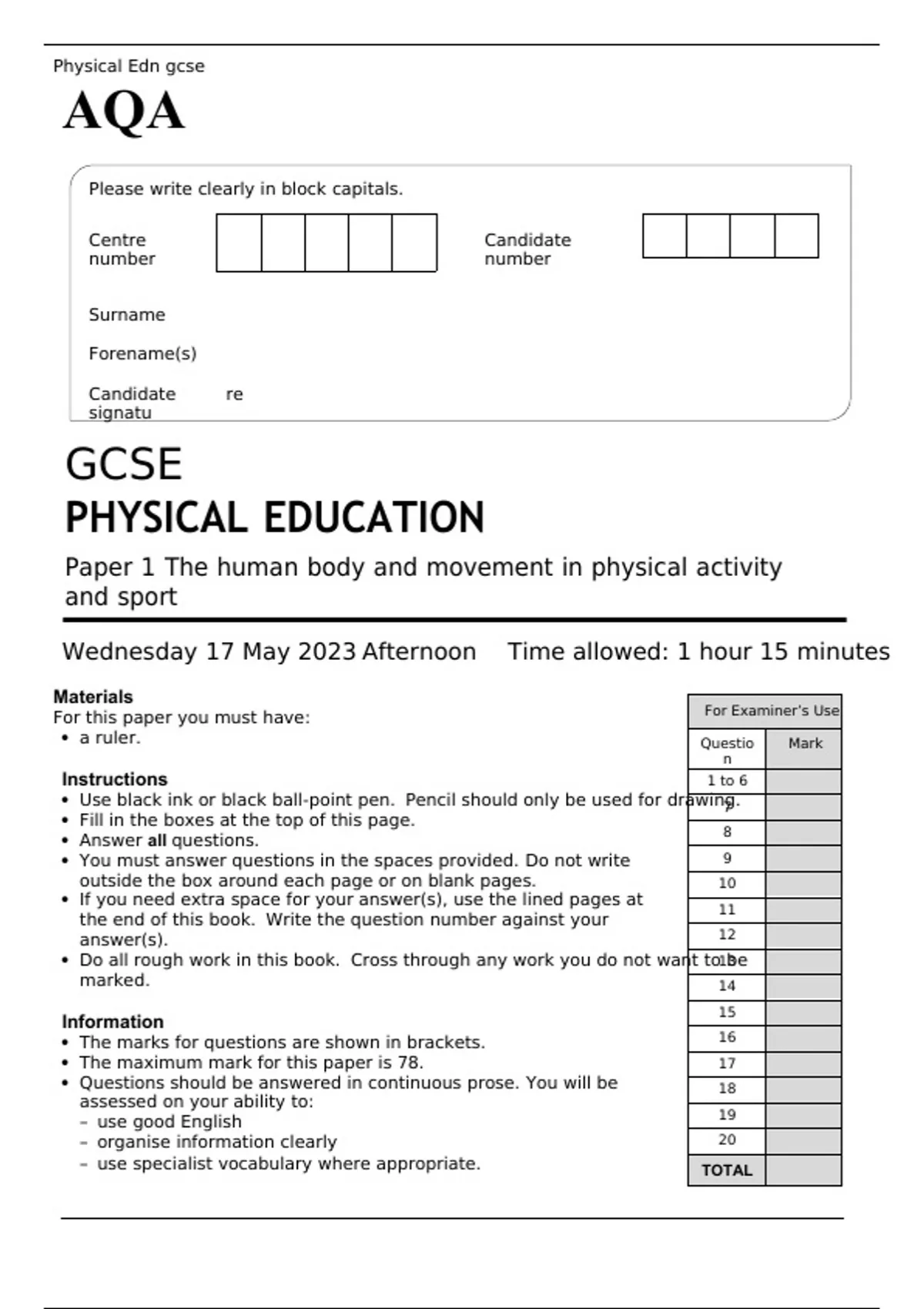
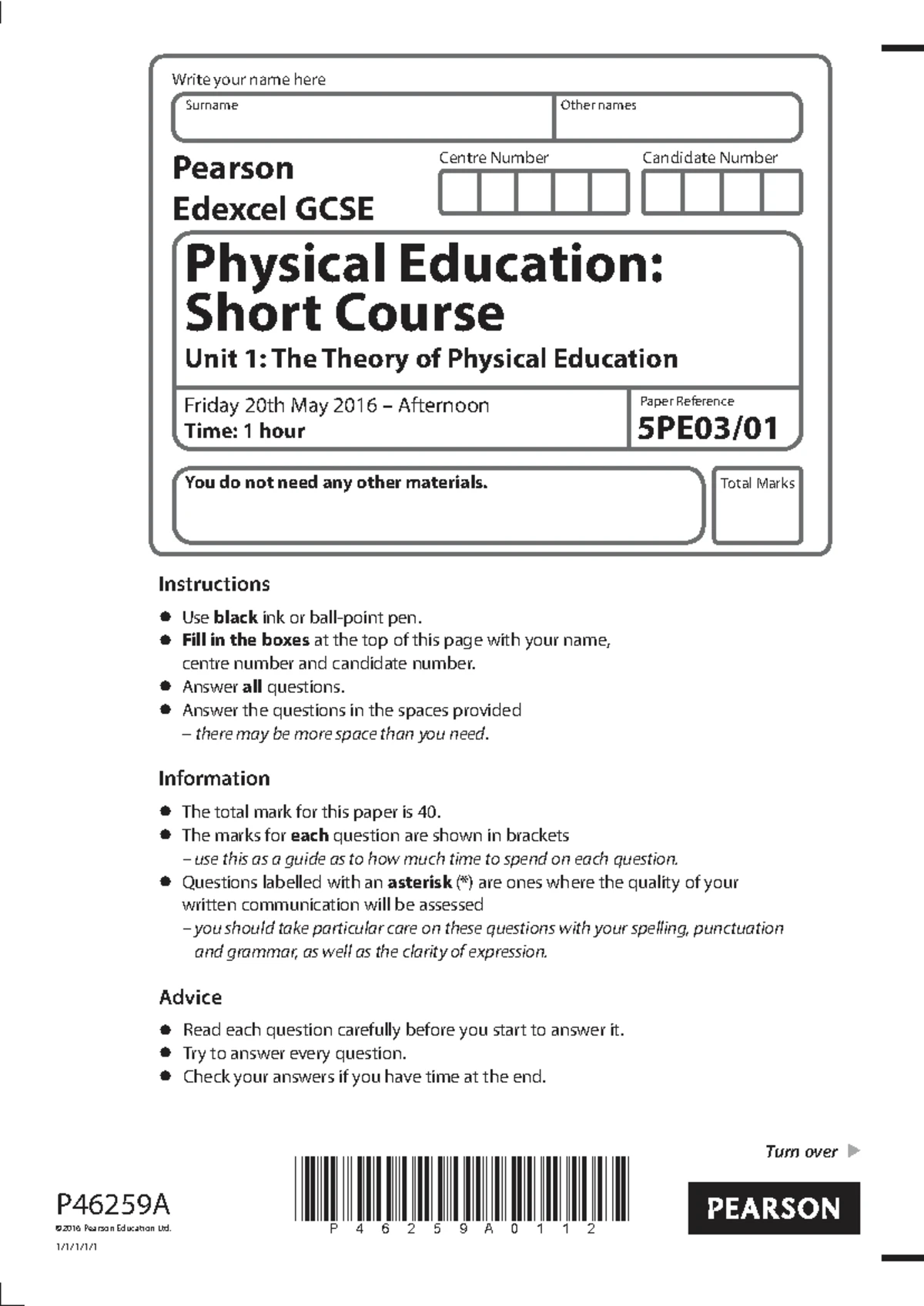
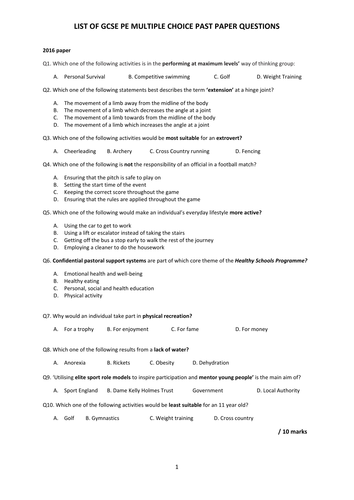
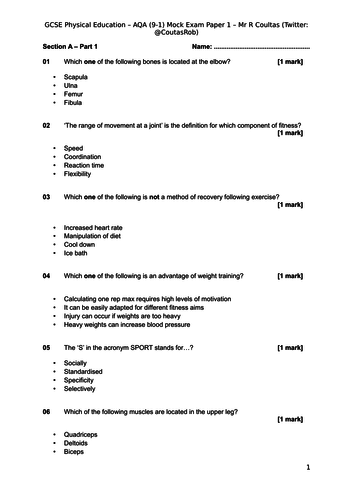
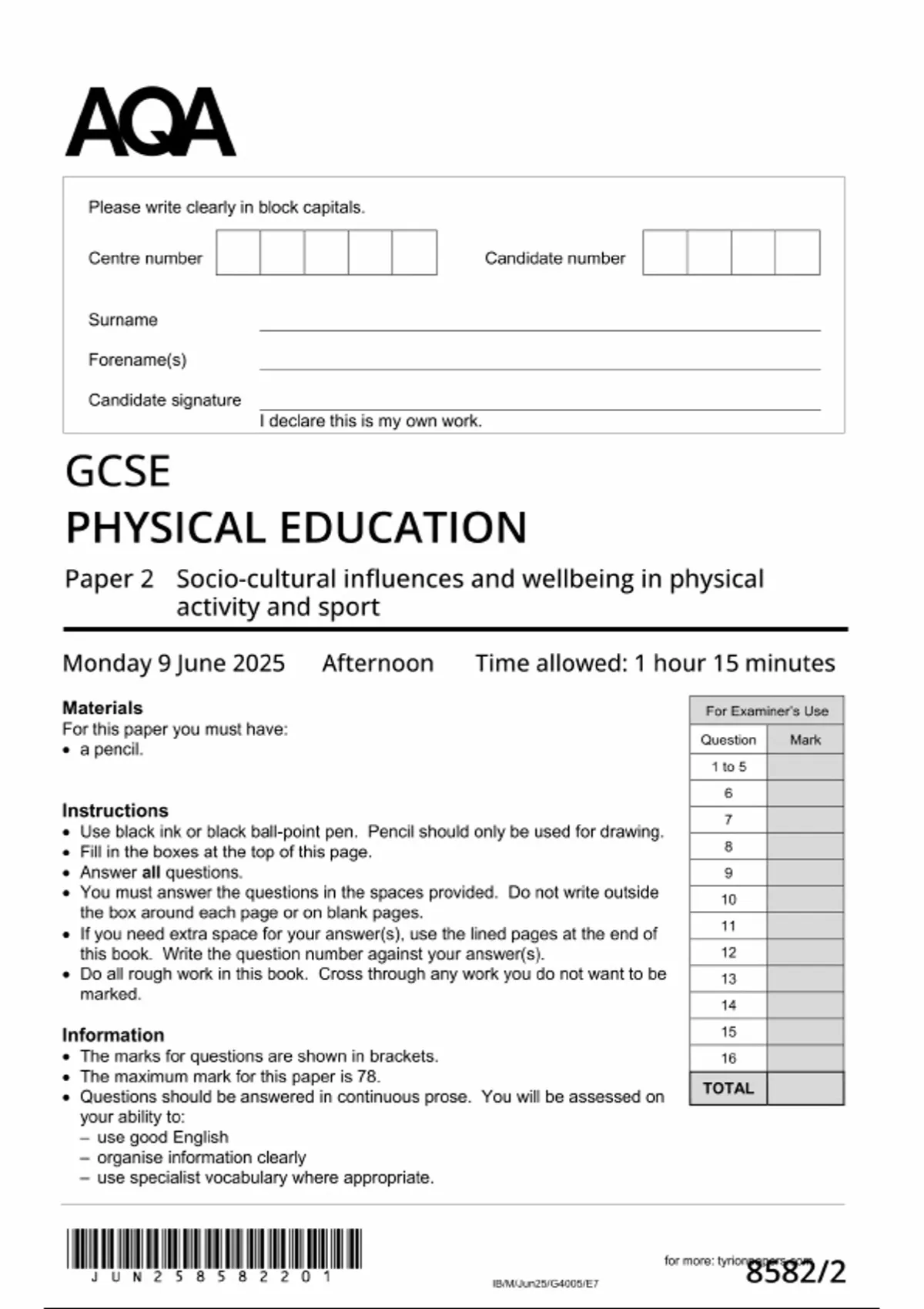
PE GCSE past papers serve as essential diagnostic instruments that bridge theoretical sporting knowledge with rigorous examination standards, ensuring learners master both applied anatomy and socio-cultural influences in physical education. According to educational research published by the Cambridge Assessment Research Division, systematic practice with authentic past examination materials significantly improves student retention, reduces test anxiety, and boosts final grade outcomes by familiarizing candidates with precise command-word expectations. Utilizing pe gcse past papers offers educators, parents, and secondary students a structured pathway to diagnose knowledge gaps, refine revision techniques, and cultivate the specific analytical skills required by modern physical education syllabi.
Quick Key Takeaways:
- Core Focus: PE GCSE past papers provide authentic examination practice for applied anatomy, physiology, and sports psychology.
- Target User: Secondary students preparing for GCSE physical education assessments alongside educators and homeschooling parents.
- Key Recommendation: Simulate strict exam conditions during completion to build essential time-management skills.
What This Printable Covers
Physical education GCSE assessments evaluate a comprehensive blend of scientific principles and contemporary socio-cultural issues affecting modern sport. These materials comprehensively cover applied anatomy and physiology, movement analysis, physical training, sports psychology, socio-cultural influences, and health, fitness, and well-being. By engaging with these rigorous templates, learners transition from passive memorization to active application, aligning their revision directly with the criteria established by major examination boards such as AQA, Edexcel, and OCR. Related guide: Homophones For Class 3.
Key Learning Outcomes
Working through these structured practice materials allows students to master the precise definitions of physiological terminology and mechanical principles. Learners develop the critical capability to dissect complex case studies involving biomechanics, lever systems, and cardiovascular responses during exercise. Furthermore, candidates sharpen their capacity to construct extended written arguments concerning commercialization, ethics, and socio-cultural trends in elite sport. Ultimately, regular engagement with these resources fosters independent study habits and instills deep confidence ahead of high-stakes testing environments.
Overview & Skill Breakdown
| Focus Area | Target Skill | Best Practice |
|---|---|---|
| Applied Anatomy | Identifying skeletal and muscular systems | Annotate diagrams clearly before answering extended questions. |
| Sports Psychology | Analyzing optimal arousal and goal-setting | Apply psychological theories directly to specific sporting scenarios. |
| Socio-Cultural Issues | Evaluating sports participation barriers | Utilize current data examples to support sociological arguments. |
How to Use This Worksheet
Effective implementation of physical education examination resources requires a disciplined, multi-phase approach that mirrors actual testing environments. Educators and parents should initially encourage unassisted completion under timed conditions to establish an accurate baseline of student capability. Following the test phase, learners must engage in rigorous self-correction using official mark schemes to understand precisely how examiners award credit for specific keywords and depth of explanation. Integrating additional Academic resources helps reinforce fundamental scientific concepts identified as weak areas during this review process.
Practical Tips for Success
Preparation begins by gathering all required geometric and writing equipment alongside a clean copy of the designated examination paper to minimize distractions. During execution, students must train themselves to underline key command words such as “analyze,” “evaluate,” or “justify” to ensure their written responses directly answer the specific demands of the prompt. For long-term extension, candidates should maintain an error log detailing missed marks, allowing for targeted revision cycles that systematically eliminate recurring misunderstandings before the final examination date.
Stage-Appropriate Recommendations
For students in the initial phases of their secondary course, educators recommend breaking down examination questions by topic rather than attempting full papers immediately, aligning with the scaffolding principles outlined in the Vygotskian Zone of Proximal Development. As learners advance toward their final assessment year, transitioning to complete, timed past papers becomes essential for building stamina and refining pacing strategies. According to the International Bureau of Education framework, structured formative assessment and timed simulation are critical pillars for reducing cognitive load and enhancing complex academic performance.
Systematic practice with authentic past papers improves student retention and boosts final grade outcomes — Cambridge Assessment Research Division
Frequently Asked Questions
Explore More Free Printable Resources
Discover a comprehensive library designed to support every stage of the educational journey, from foundational Early Learning templates to complex Worksheet collections. Organizing study schedules is simple with reliable Administrative templates, while learners can foster holistic development using Personal Growth tools. Visit Free Printable For You today to access all available educational downloads.
Images References