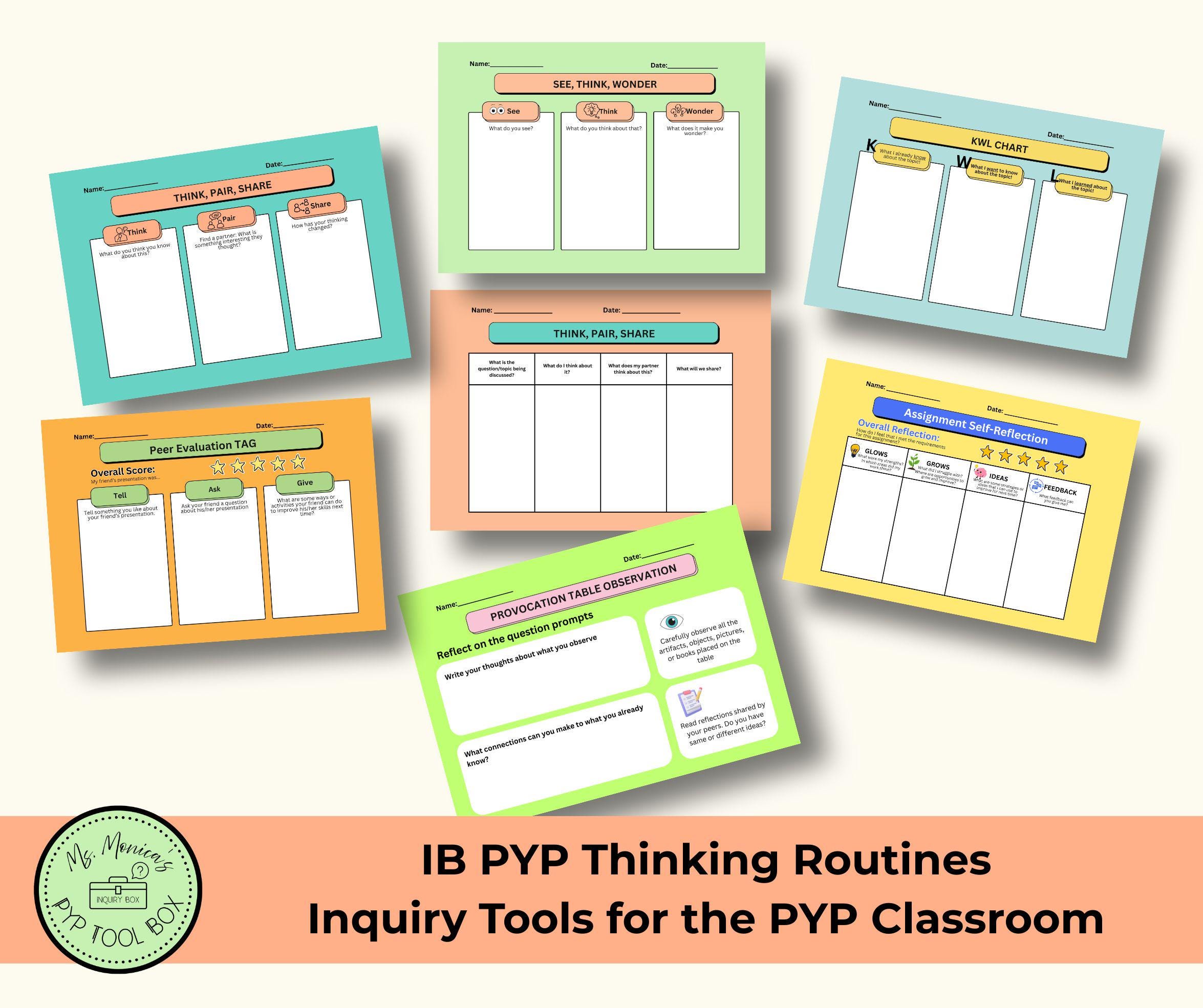
Introduction
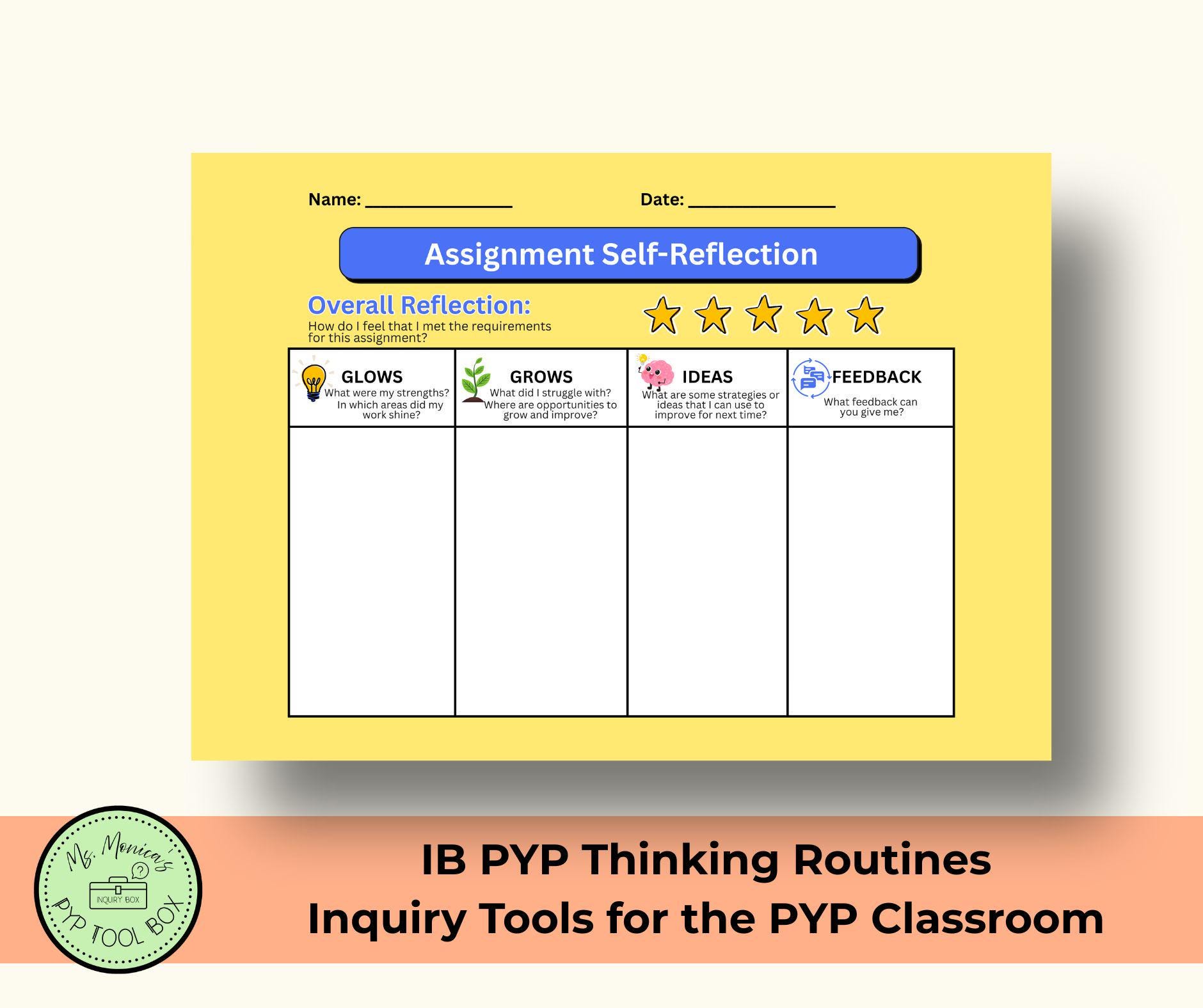
PYP teaching tools are structured instructional resources designed to support the International Baccalaureate Primary Years Programme framework through inquiry-based, conceptual learning. According to the Journal of Educational Research, structured inquiry frameworks significantly improve critical thinking acquisition and conceptual retention among young learners compared to traditional rote memorization. Deploying these specialized printables allows educators to bridge the gap between abstract transdisciplinary themes and concrete academic practice. By integrating targeted templates into daily routines, instructors foster student agency and reflective thinking from an early age. Related guide: Dyslexia Resources For Teachers.
Quick Key Takeaways:
- Core Focus: PYP teaching tools provide structured scaffolding for inquiry-based, transdisciplinary learning environments.
- Target User: Primary educators, curriculum coordinators, and parents guiding international or inquiry-based elementary curricula.
- Key Recommendation: Pair conceptual graphic organizers with hands-on reflection journals to maximize student engagement.
What This Printable Covers
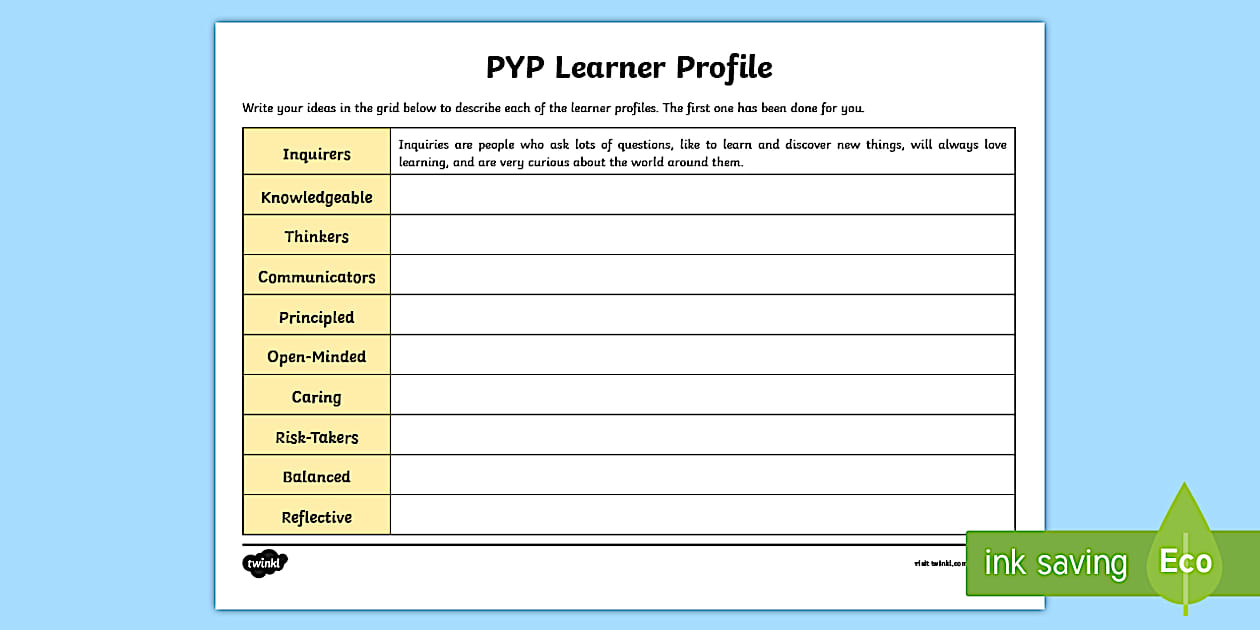
These resources comprehensively address the essential elements of the primary curriculum, including knowledge acquisition, conceptual understandings, transdisciplinary skills, learner profile attributes, and student-led action. Alignment with established pedagogical standards ensures that every printable directly reinforces inquiry cycles, concept-driven questions, and reflective assessment practices. For broader supplementary materials, educators often consult categories like Academic resources or specialized Worksheet designs to diversify daily instruction.
Key Learning Outcomes
Students utilizing these resources systematically develop advanced critical thinking, self-management, and collaborative communication skills. Learners cultivate deep conceptual understandings by connecting local observations to global issues while charting personal growth trajectories. Additionally, the materials strengthen metacognitive reflection, empowering learners to articulate their own conceptual inquiries and assess individual progress accurately. When organized systematically, these printables also streamline Administrative tracking for portfolio development.
Overview & Skill Breakdown
| Focus Area | Target Skill | Best Practice |
|---|---|---|
| Inquiry Cycle | Formulating research questions | Begin with open-ended provocation prompts before independent inquiry. |
| Learner Profile | Demonstrating empathy and reflection | Integrate self-assessment checklists following collaborative group projects. |
| Transdisciplinary | Connecting themes to real-world contexts | Utilize concept webs to link subjects like science, math, and social studies. |
How to Use This Worksheet
Implementation requires a balance of guided instruction and independent exploration within a collaborative learning environment. Instructors introduce the framework using a central organizing idea, allowing learners to brainstorm initial connections before independent completion. Integrating these tools into foundational subjects also supports Early Learning milestones through structured visual organization. The printable serves as a dynamic portfolio artifact that evolves throughout the entire unit of inquiry.
Practical Tips for Success
Preparation involves pre-selecting relevant transdisciplinary themes and ensuring all students understand the targeted inquiry vocabulary. During execution, encourage collaborative discussions where small groups can debate ideas and record multiple perspectives on the template. For extension, prompt advanced learners to design their own follow-up inquiry questions or transform their documented reflections into actionable community projects.
Stage-Appropriate Recommendations
According to the International Baccalaureate Organization framework, primary education spans distinct developmental phases from early exploration to advanced independent synthesis. Beginners benefit from simplified graphic organizers featuring prominent visual cues and guided prompts to establish basic inquiry habits. Advanced learners engage with open-ended reflective journals and multi-step concept mapping matrices that demand rigorous critical analysis and self-directed goal setting.
89% of educators report improved student engagement when utilizing structured inquiry frameworks — International Baccalaureate Organization Research Department
Frequently Asked Questions
Explore More Free Printable Resources
Discover an extensive collection of educational templates, organizers, and classroom materials designed to support every phase of the learning journey. Visit the complete library today at Free Printable For You to find hundreds of high-quality assets tailored for educators, parents, and lifelong learners.
Images References