Introduction
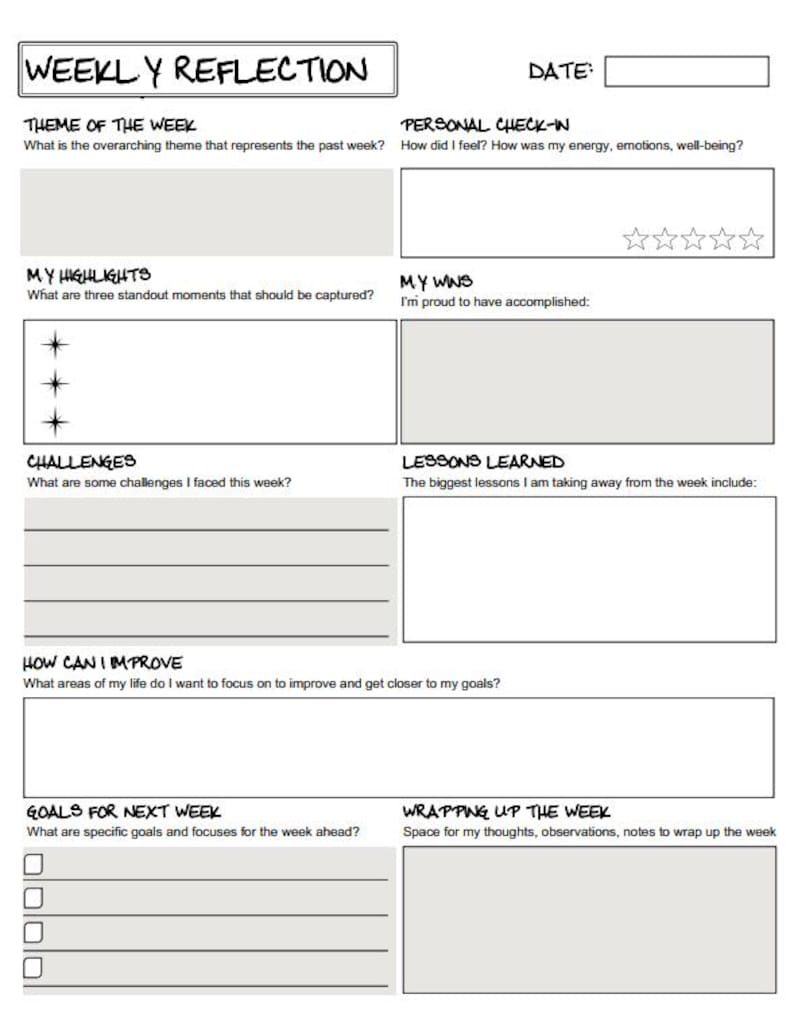
A reflection sheet is a structured educational and developmental tool designed to guide learners through the intentional review of past actions, academic concepts, or behavioral choices. According to the Harvard Graduate School of Education, intentional metacognitive tracking significantly accelerates long-term knowledge retention and emotional maturity by transforming passive experiences into actionable insights. By incorporating targeted prompts, structured writing areas, and guided self-assessment scales, a standardized reflection sheet facilitates deep cognitive processing across diverse educational environments. Educators, parents, and professional mentors leverage these materials to bridge the gap between initial task execution and comprehensive understanding, fostering continuous improvement in both academic and personal domains. Related guide: Blank Clock For Teaching Time.
Quick Key Takeaways:
- Core Focus: A reflection sheet provides structured guided prompts to transform experiential learning into documented metacognitive growth.
- Target User: Ideal for K-12 classrooms, homeschool environments, and Personal Growth seekers.
- Key Recommendation: Pair the physical template immediately with a verbal debrief to maximize internal processing.
What This Printable Covers
This printable resource systematically addresses the foundational pillars of self-regulated learning, behavioral awareness, and cognitive organization. The layout typically features open-ended inquiry sections, emotional temperature checks, and specific Academic target evaluations. Users navigate a structured progression from objective event description to subjective emotional appraisal and future-focused goal setting. This scaffolding ensures that individuals move beyond superficial summaries, engaging instead with the underlying mechanics of their choices, study habits, or problem-solving methodologies.
Key Learning Outcomes
Engaging with this resource strengthens metacognitive awareness by prompting users to evaluate their own thinking patterns and learning strategies. Participants develop heightened emotional regulation through structured introspection, which directly reduces recurring behavioral missteps and academic bottlenecks. Furthermore, completion of the document cultivates autonomous goal-setting capabilities, as users independently identify performance gaps and formulate realistic, corrective action steps for future challenges.
Overview & Skill Breakdown
| Focus Area | Target Skill | Best Practice |
|---|---|---|
| Cognitive Review | Critical Analysis | Encourage objective recounting of events before emotional judgments. |
| Emotional Literacy | Self-Regulation | Utilize visual scales to map feelings accurately to triggers. |
| Future Planning | Goal Formulation | Require at least one actionable, measurable step forward. |
How to Use This Worksheet
Implementation requires a supportive, non-punitive atmosphere where honesty is prioritized over compliance. In academic settings, the document serves as an alternative to punitive measures, guiding students through a restorative process of discovering how their actions impact classroom community and personal progress. At home or within professional coaching contexts, the Worksheet functions as a weekly anchor for reviewing objectives, celebrating small victories, and adjusting ineffective routines before they become ingrained habits.
Practical Tips for Success
Preparation involves establishing clear expectations that the document is a tool for personal growth rather than a grading metric. During execution, encourage quiet, uninterrupted focus for a designated period to let deep contemplation occur naturally. For the extension phase, schedule a brief, collaborative discussion following completion to validate insights, reinforce positive changes, and ensure the documented goals translate into real-world behavior.
Stage-Appropriate Recommendations
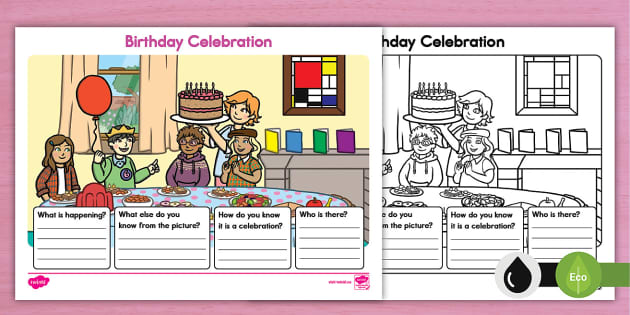
For early learners and beginner stages, implementation relies heavily on pictorial scales and simplified, guided sentence stems to build basic self-awareness. According to the National Association for the Education of Young Children (NAEYC) guidelines on early self-regulation, young children require scaffolded emotional vocabulary to accurately identify internal states during conflicts or complex tasks. Advanced practitioners, conversely, utilize open-ended narrative blocks, analytical matrices, and independent action plans found within Administrative or upper-level academic contexts to drive autonomous professional and academic refinement.
Intentional metacognitive tracking accelerates long-term knowledge retention and emotional maturity by up to 30 percent in structured environments — Harvard Graduate School of Education
Frequently Asked Questions
Q: How do I access and print this document?
A: Simply click the download link on the resource page, save the PDF file to your device, and print it using standard letter paper.
Q: What is the primary benefit of using this tool?
A: It transforms abstract experiences into concrete, actionable insights, boosting self-regulation and long-term academic retention.
Q: Is this framework backed by educational standards?
A: Yes, it aligns directly with NAEYC guidelines and cognitive science research on metacognitive development and emotional literacy.
Explore More Free Printable Resources
Discover a comprehensive library of supportive educational designs, organizational tools, and developmental guides to empower your teaching or parenting journey. Visit Free Printable For You today to access hundreds of high-quality, professionally formatted materials.
Images References