Introduction
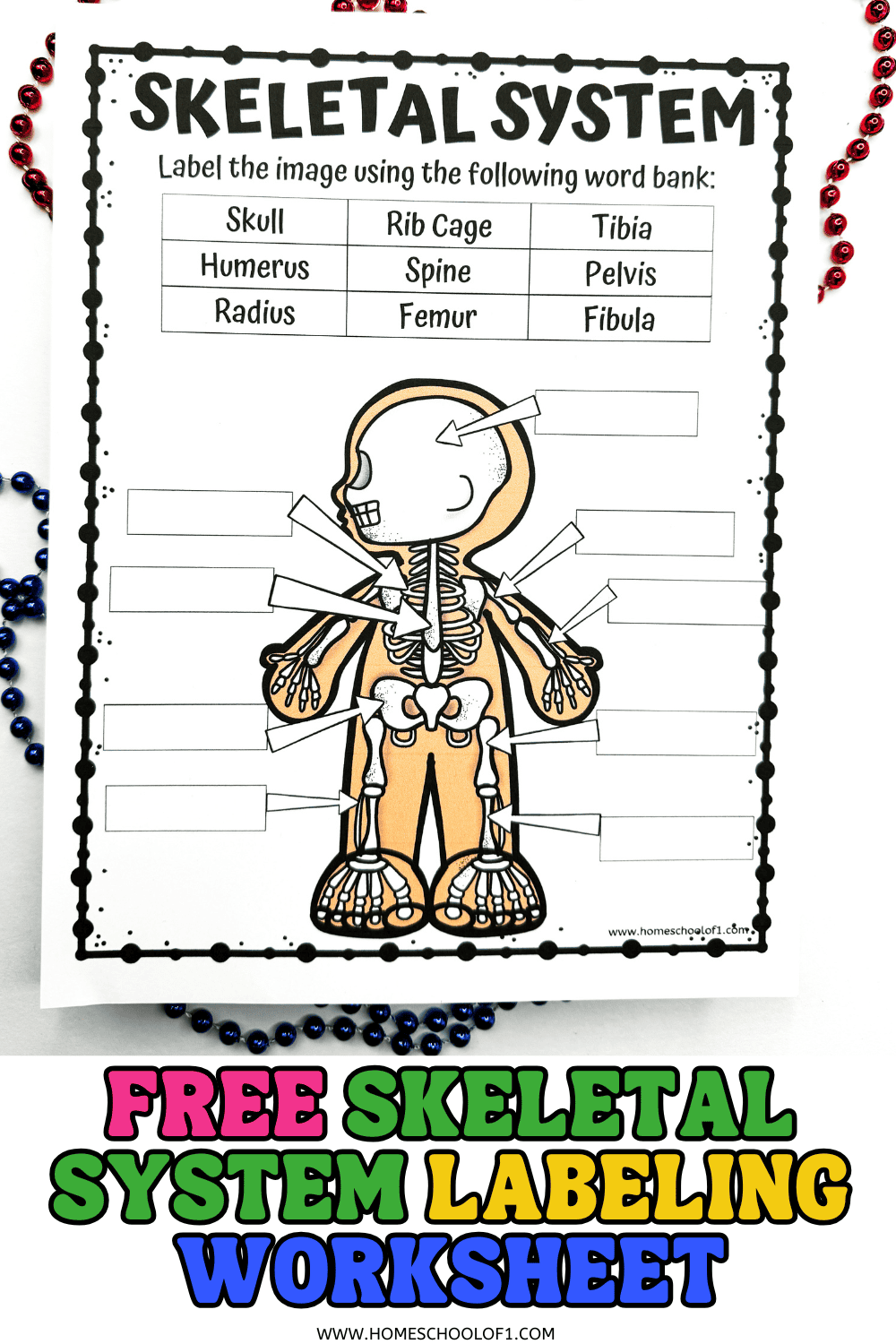
Lesson development is the strategic process of structuring educational content, objectives, and assessments to maximize knowledge retention and skill acquisition. According to a study by the Brookings Institution, structured instructional planning and clearly sequenced curricula consistently improve student achievement scores compared to unguided delivery methods. By bridging educational theory with daily practice, effective lesson development transforms abstract concepts into actionable learning milestones. This systematic approach ensures that educators, trainers, and parents can deliver consistent, high-impact instruction across diverse subjects, including foundational Academic disciplines and targeted Worksheet activities.
Quick Key Takeaways:
- Core Focus: Systematic creation and sequencing of instructional materials for optimal learning outcomes.
- Target User: Educators, curriculum coordinators, and homeschooling parents managing structured learning environments.
- Key Recommendation: Align daily learning objectives directly with measurable assessment criteria prior to instruction delivery.
What This Printable Covers
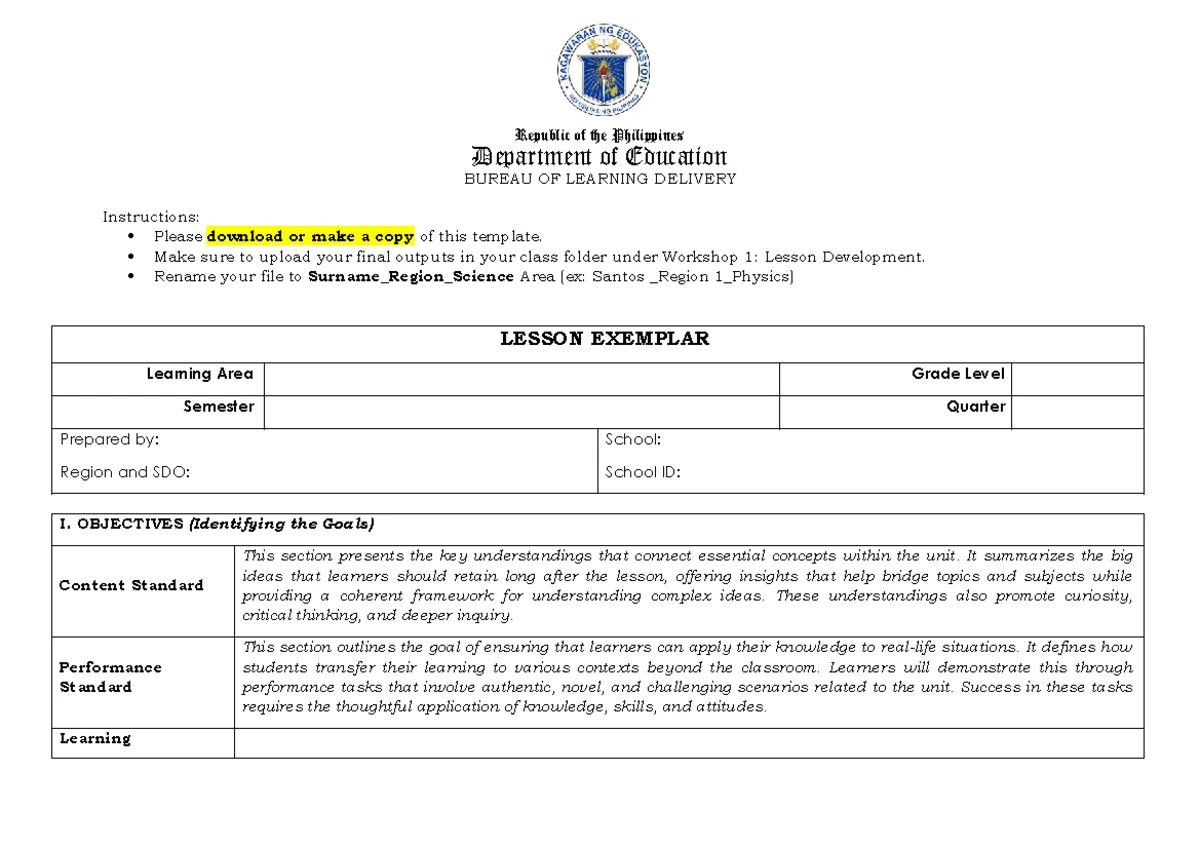
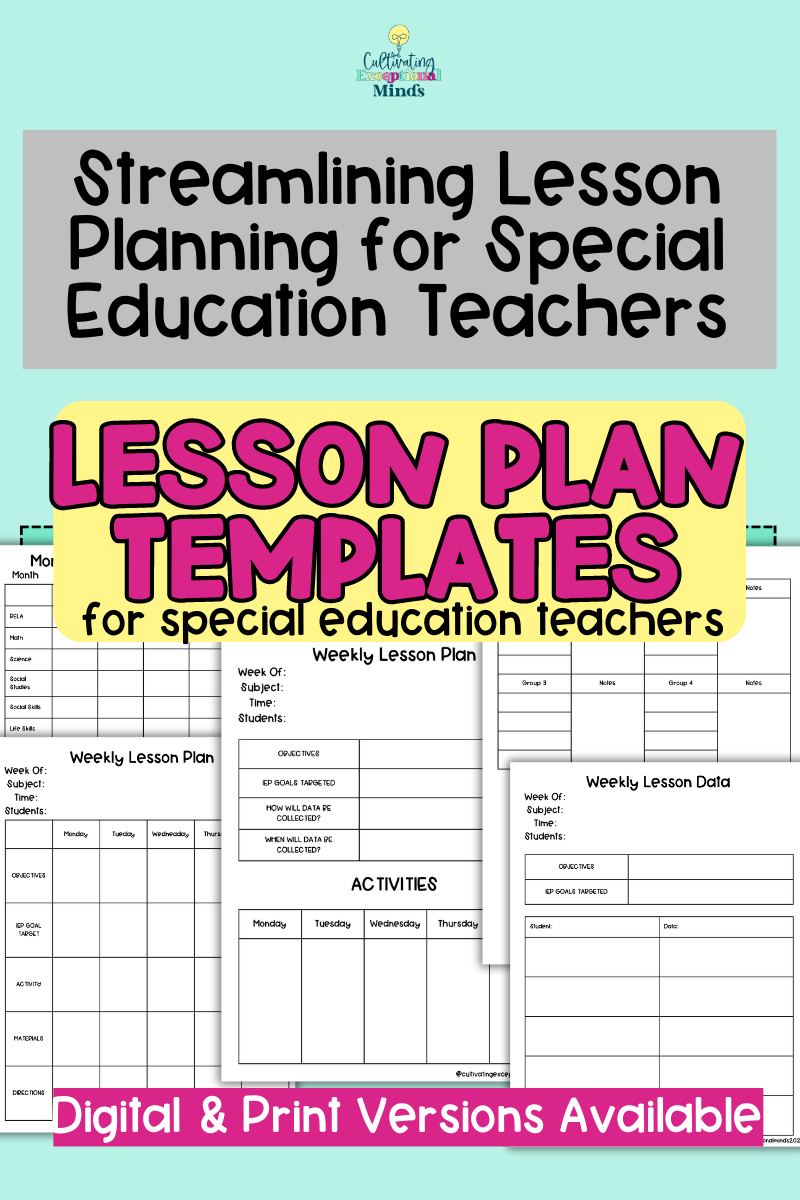
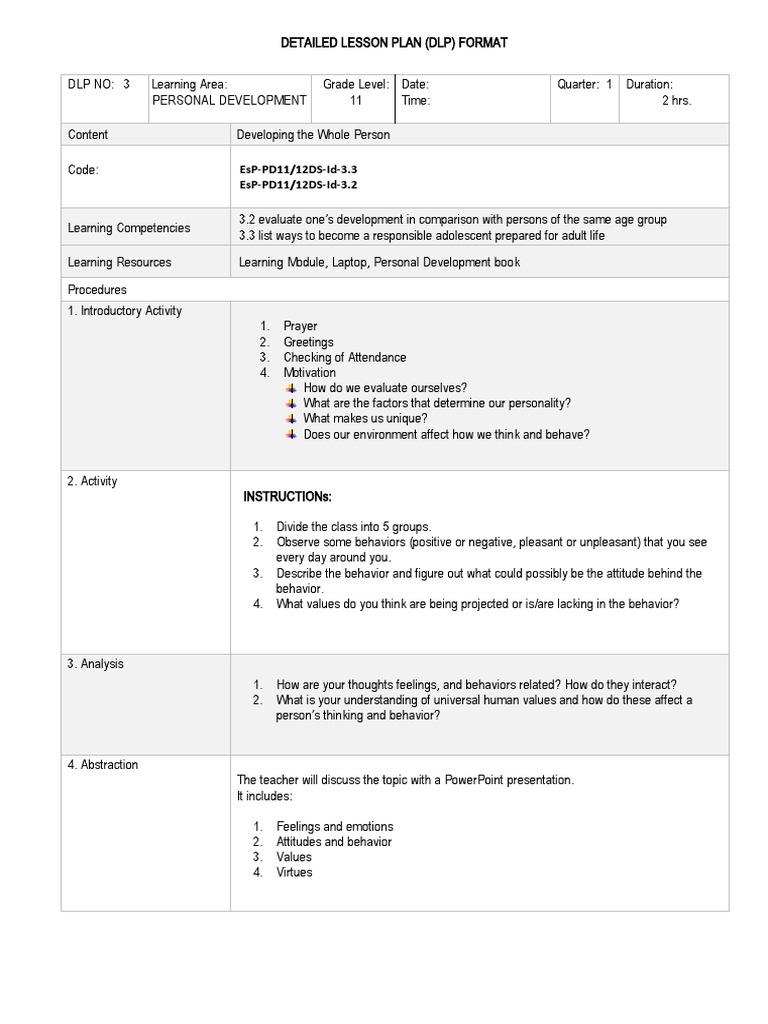
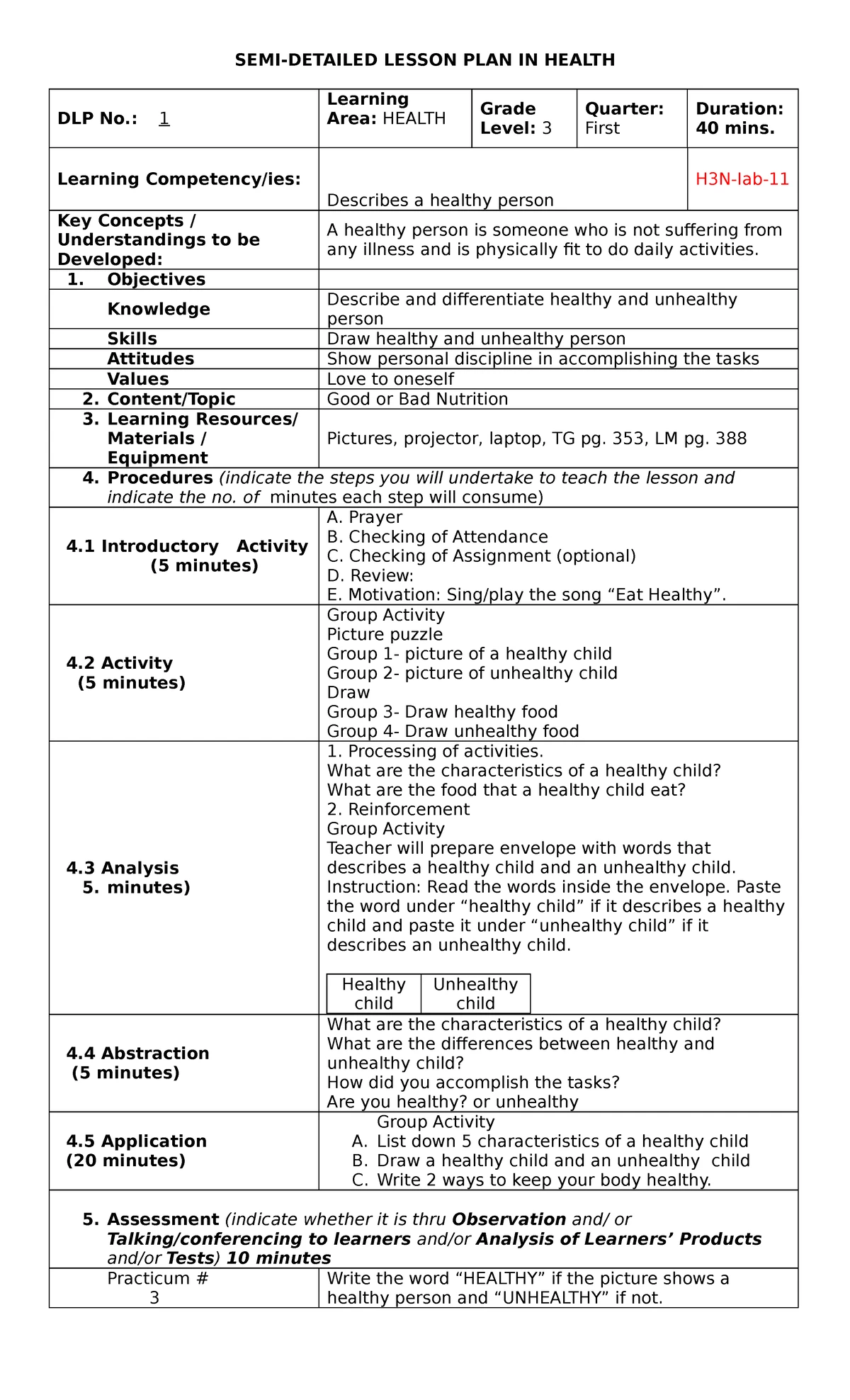
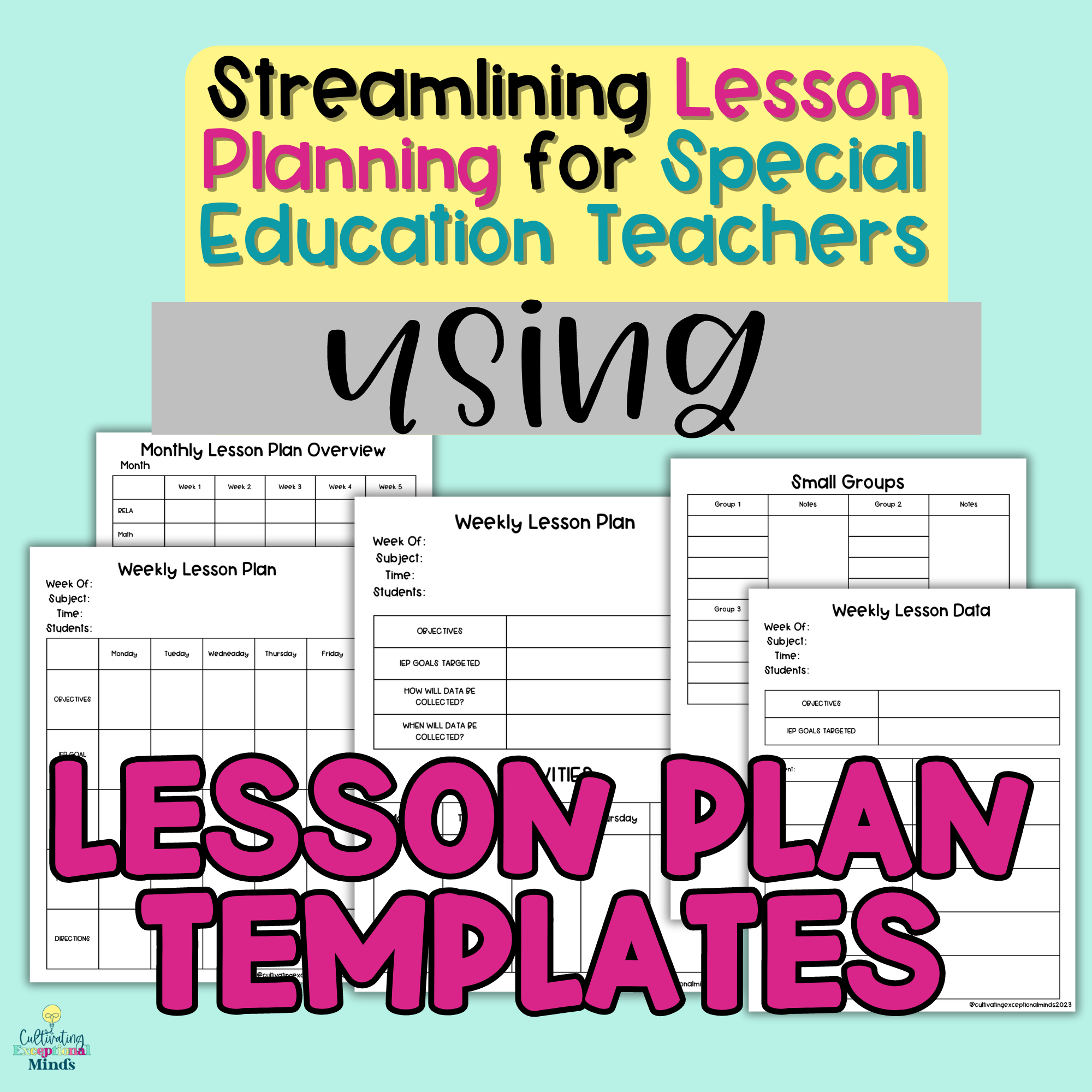
This resource provides a comprehensive architectural framework for designing cohesive learning modules, tracking instructional progress, and standardizing educational delivery. The materials integrate seamlessly with broader Administrative systems to streamline record-keeping and planning workflows. Content addresses objective formulation, prerequisite skill mapping, formative assessment design, and differentiated instruction strategies, ensuring every learner group receives appropriately scaled challenges whether mastering basic competencies or pursuing advanced Personal Growth goals.
Key Learning Outcomes
Users gain the ability to construct logically flowing instructional sequences that reduce cognitive overload and maintain learner engagement. Participants master the art of writing measurable behavioral objectives using standardized taxonomies, ensuring clear alignment between teaching activities and final evaluations. Additionally, the framework fosters advanced pedagogical competencies in pacing, resource allocation, and adaptive scaffolding, which collectively empower educators to address diverse learning styles within a single structured framework. Related guide: Community Resources In Education.
Overview & Skill Breakdown
| Focus Area | Target Skill | Best Practice |
|---|---|---|
| Objective Mapping | Behavioral Alignment | Use measurable verbs to define clear session outcomes. |
| Pacing & Sequencing | Cognitive Load Management | Break complex topics into manageable 15-minute segments. |
| Formative Assessment | Progress Tracking | Integrate quick check-ins before transitioning to new tasks. |
How to Use This Worksheet
Implementation begins with reviewing the target learning goals and cross-referencing them against current audience readiness levels. Users fill out the structured planning sections sequentially, defining core materials, introduction hooks, guided practice routines, and independent reinforcement exercises. This document functions equally well as a daily teaching roadmap or as an Early Learning audit tool for monitoring developmental milestones over extended academic terms.
Practical Tips for Success
Preparation involves gathering all requisite physical and digital aids before drafting the instructional sequence to ensure resource availability matches planned activities. During execution, maintaining flexibility allows instructors to adjust pacing based on real-time formative feedback without losing sight of the primary objective. Extension activities should always be prepared in advance to challenge advanced learners, preventing boredom and maintaining high engagement throughout the concluding phases of the lesson.
Stage-Appropriate Recommendations
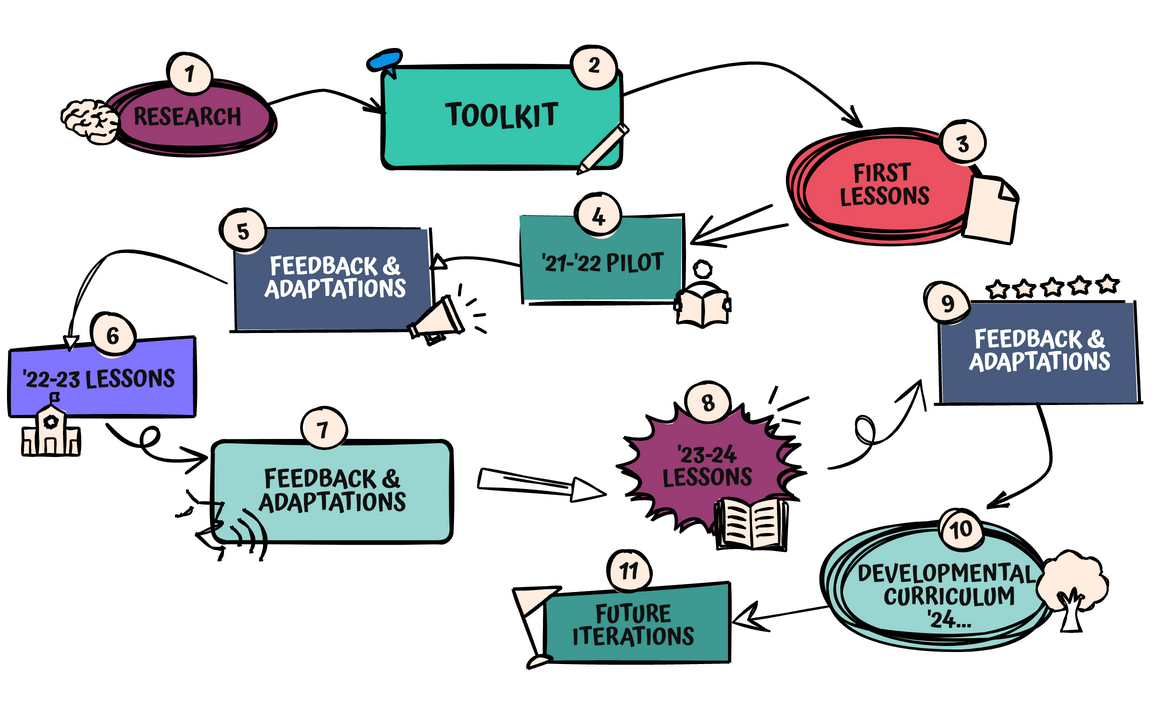
For introductory stages, lesson development should emphasize concrete experiences, frequent repetition, and guided exploration to build initial schema. As learners advance toward complex analysis and autonomous problem-solving, planning frameworks must incorporate open-ended inquiry, self-directed reflection, and peer evaluation matrices. According to the Association for Supervision and Curriculum Development (ASCD) design standards, curriculum scaffolding must dynamically shift from high instructor support to total learner autonomy across developmental tiers.
Curriculum scaffolding must dynamically shift from high instructor support to total learner autonomy across developmental tiers. — Association for Supervision and Curriculum Development (ASCD)
Frequently Asked Questions
Q: How do I download this lesson development template?
A: Simply click the download button on the resource page to access the high-resolution PDF file instantly for printing or digital editing.
Q: What is the primary practical benefit of structured lesson planning?
A: It reduces instructional guesswork, ensures curriculum consistency, and directly improves student comprehension and retention rates.
Q: Which educational frameworks informed this design?
A: This layout is built upon established ASCD curriculum standards and evidence-based instructional design methodologies.
Explore More Free Printable Resources
Discover a vast collection of professional templates, educational worksheets, and planning tools designed to elevate teaching and learning experiences. Visit the complete library at Free Printable For You to find organized materials for every grade level, subject matter, and administrative requirement.
Images References