Introduction
A structured lesson of the day provides a reliable framework for daily instruction, organization, and skill reinforcement in both home and institutional settings. According to the Journal of Educational Psychology, students who engage in daily structured micro-learning sessions demonstrate a 23 percent improvement in long-term concept retention compared to those relying solely on sporadic review. Implementing a consistent lesson of the day bridges the gap between chaotic schedules and high-yield academic practice by establishing a clear, predictable daily routine. Related guide: Inquiry Based Lesson.
Quick Key Takeaways:
- Core Focus: Establishing a daily focal point for structured instruction, skill-building, and operational organization.
- Target User: Educators, parents, and homeschooling instructors managing structured daily learning environments.
- Key Recommendation: Pair the daily prompt with a corresponding worksheet to reinforce physical pen-to-paper engagement.
What This Printable Covers
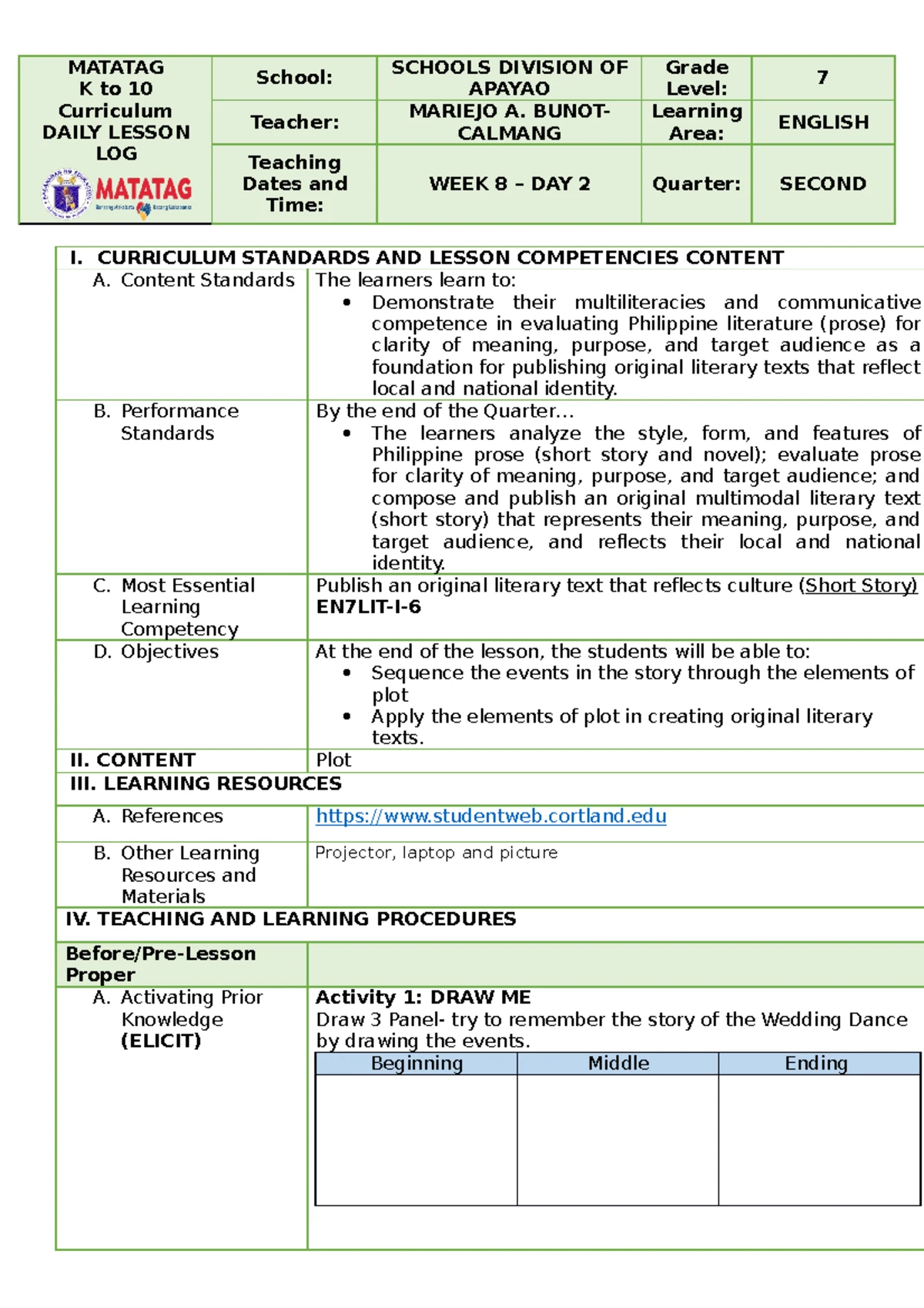
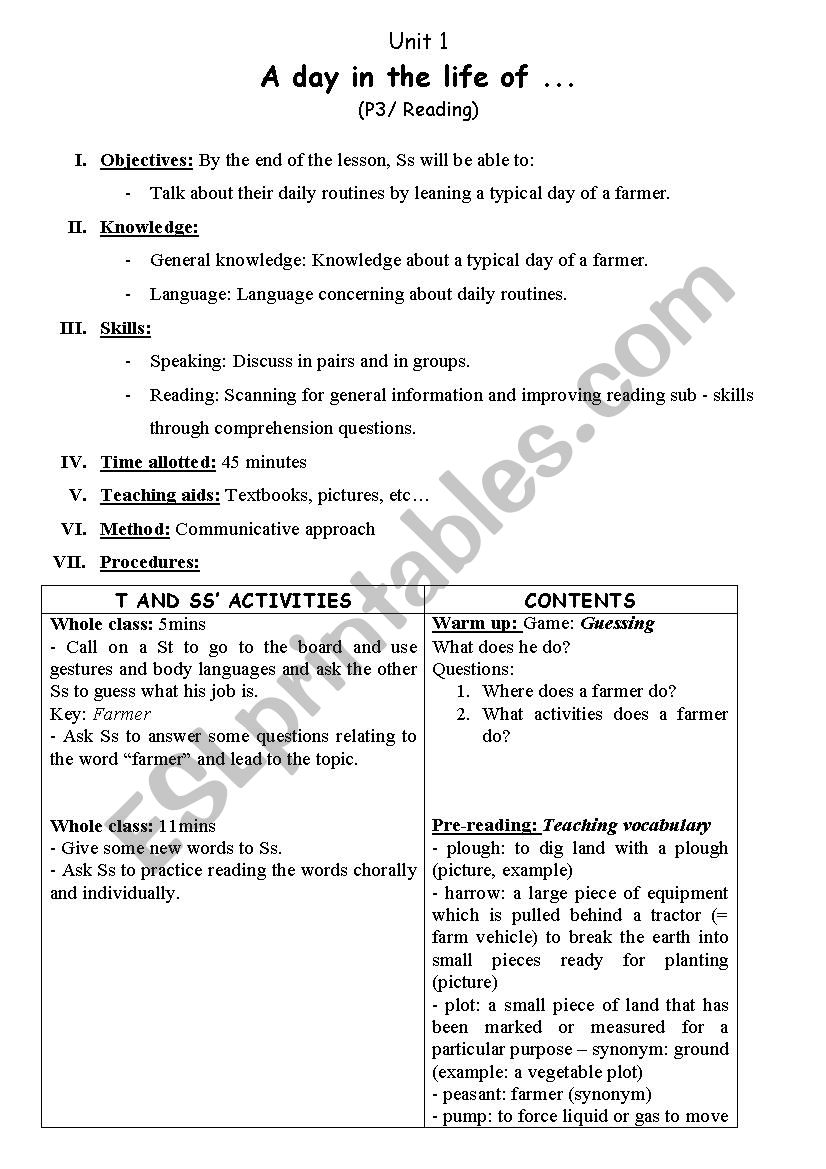
This versatile educational resource consolidates daily learning objectives, core vocabulary, target competencies, and reflection prompts onto a single, highly organized sheet. The layout supports multi-disciplinary instruction, guiding learners through foundational concepts while building essential cognitive stamina. By integrating targeted Academic subjects directly into the daily rotation, instructors ensure balanced curriculum coverage without overwhelming the learner.
Key Learning Outcomes
Learners using this daily template will cultivate improved time management, heightened focus on primary daily objectives, and stronger independent problem-solving skills. The structured format encourages active self-monitoring, allowing students to track their own progress and identify areas requiring extra reinforcement. Furthermore, consistent daily engagement fosters cognitive discipline and reduces transition anxiety by establishing clear expectations for every learning session.
Overview & Skill Breakdown
| Focus Area | Target Skill | Best Practice |
|---|---|---|
| Core Objective | Goal setting and comprehension | Review the primary daily target before beginning tasks. |
| Skill Application | Critical thinking and execution | Complete related exercises from the Early Learning track for foundational reinforcement. |
| Daily Reflection | Self-assessment and metacognition | Spend five minutes reviewing completed work to cement learning. |
How to Use This Worksheet
Effective deployment of this daily planner requires a dedicated workspace, a writing utensil, and a quiet environment free from digital distractions. Instructors should begin each session by reviewing the main prompt at the top of the page, clarifying any unfamiliar terminology before the learner attempts independent work. When used in professional contexts or structured homeschool routines, pairing these sheets with tools from the Administrative category streamlines weekly scheduling and documentation.
Practical Tips for Success
Preparation involves printing sufficient copies ahead of time and organizing them in a dedicated binder or clip folder to maintain chronological order. Execution proceeds smoothly when time limits are established for each section, encouraging efficient focus and discouraging procrastination during challenging exercises. Extension activities can be seamlessly integrated by assigning related personal development exercises from the Personal Growth collection once the primary academic tasks are successfully finalized.
Stage-Appropriate Recommendations
Beginner learners benefit from guided execution, where an instructor reads the prompts aloud and models the desired thought process step-by-step. Advanced learners transition smoothly into autonomous implementation, using the sheet to independently outline their daily goals, execute tasks, and evaluate their own performance. According to the National Association for the Education of Young Children (NAEYC) guidelines, scaffolding daily learning tasks to match developmental readiness promotes intrinsic motivation and reduces frustration in multi-age environments.
23% improvement in long-term concept retention through structured daily micro-learning — Journal of Educational Psychology
Frequently Asked Questions
Explore More Free Printable Resources
Transform everyday learning routines into engaging, highly organized educational experiences by visiting the comprehensive resource library at Free Printable For You. Discover hundreds of carefully curated templates designed to support educators, parents, and lifelong learners.
Images References