Introduction
A lesson outline example serves as a structured blueprint for organizing instructional content, time management, and pedagogical goals across educational settings. According to the National Education Association, structured lesson planning directly correlates with increased student engagement and maximized instructional time. Utilizing a clear lesson outline example enables educators, homeschoolers, and corporate trainers to sequence learning activities logically, ensuring alignment between core objectives and daily assessments. This foundational tool minimizes cognitive overload, establishes transparent learning trajectories, and supports seamless curriculum delivery for diverse learning communities. Related guide: Mass Spectrometry Khan Academy.
Quick Key Takeaways:
- Core Focus: A lesson outline example provides a repeatable framework for organizing educational objectives, instructional steps, and assessments.
- Target User: Classroom teachers, homeschooling parents, and professional instructional designers seeking structured curriculum management.
- Key Recommendation: Align each outline section directly with measurable learning standards before introducing materials to learners.
What This Printable Covers
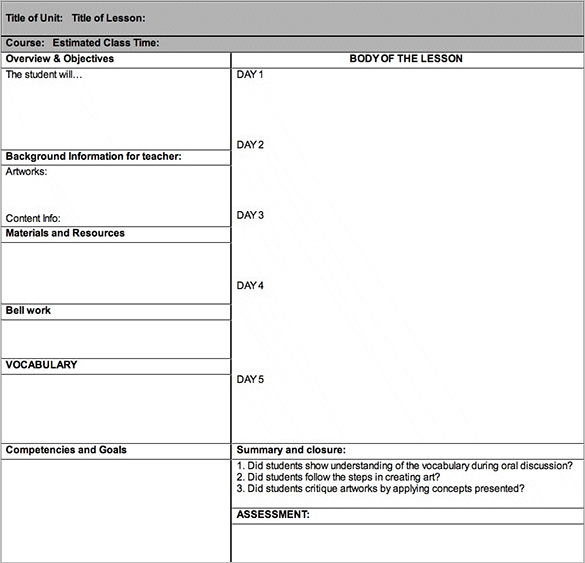
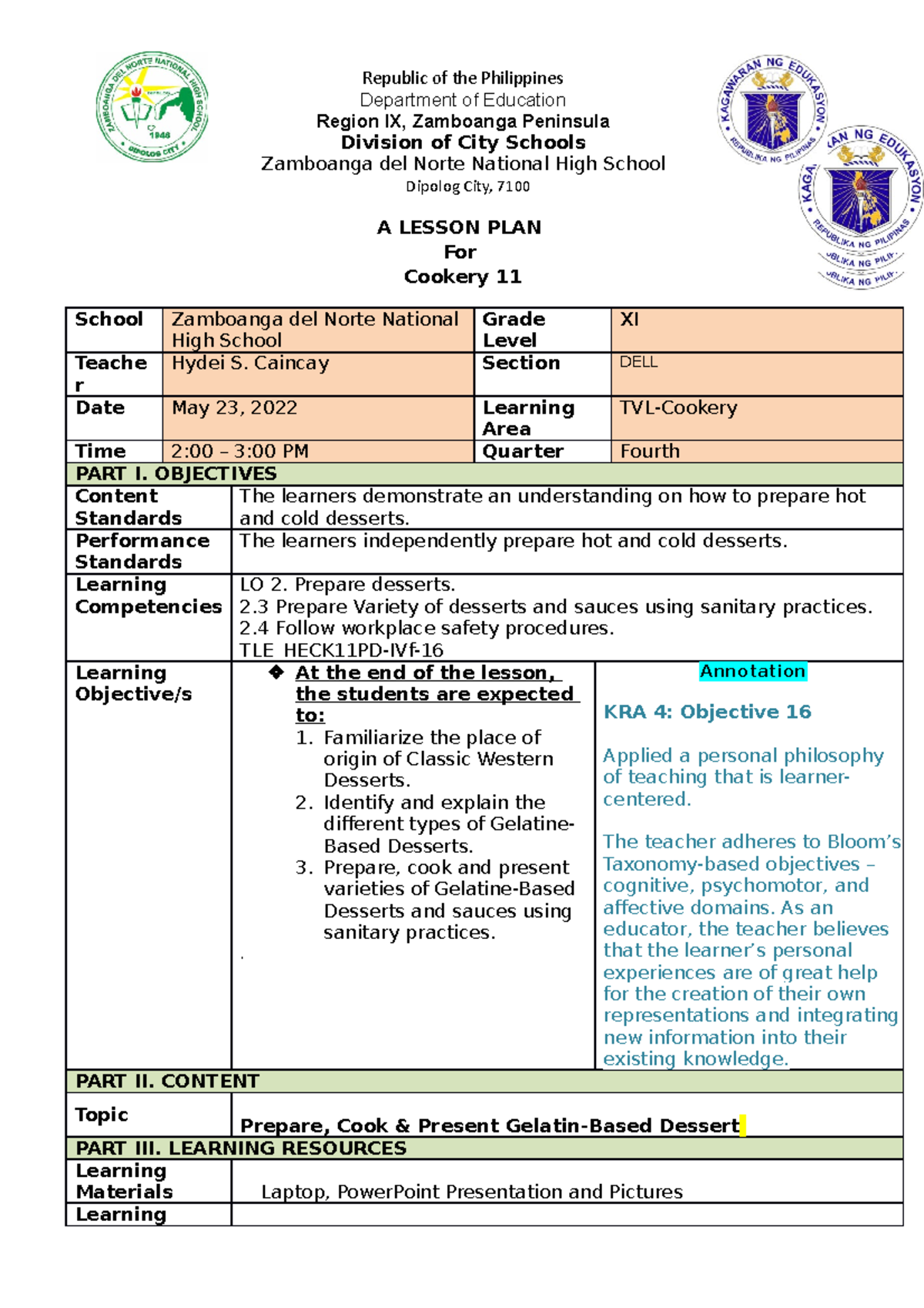
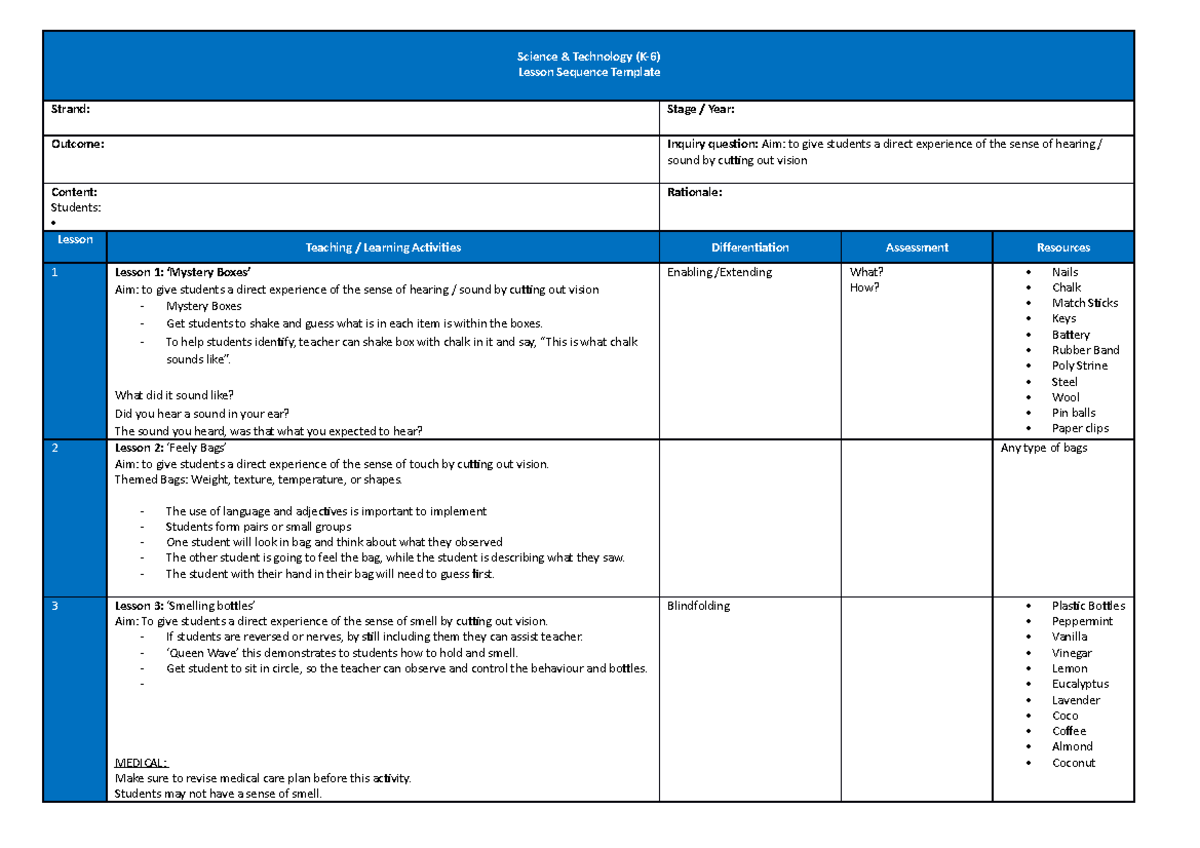
This resource addresses the structural mechanics of curriculum design by breaking complex topics into digestible instructional segments. The template integrates essential pedagogical domains, guiding users through hook activities, direct instruction, guided practice, independent application, and formative assessment. By standardizing the instructional design process, the layout reinforces systematic thinking, pacing control, and clear alignment with foundational standards found within Academic planning frameworks.
Key Learning Outcomes
Users learn to formulate precise behavioral objectives that target distinct cognitive levels. The structure cultivates effective time-budgeting skills by allocating specific minutes to introductory engagement, core instruction, and wrap-up reviews. Additionally, practitioners develop targeted assessment strategies, ensuring that evaluation methods accurately measure the intended learning outcomes without redundancy or ambiguity.
Overview & Skill Breakdown
| Focus Area | Target Skill | Best Practice |
|---|---|---|
| Objective Setting | Defining measurable goals | Use actionable verbs aligned with cognitive taxonomies. |
| Time Management | Pacing instructional segments | Allocate buffer minutes for unexpected student inquiries. |
| Assessment Design | Evaluating comprehension | Incorporate formative checks midway through delivery. |
How to Use This Worksheet
Implementation begins by reviewing the target learning standards and determining the overarching objective for the session. Users transcribe these goals into the designated header section of the printable before mapping out the temporal phases of instruction. For administrative tracking or multi-grade pacing guides, pairing this tool with resources from Administrative categories ensures long-term institutional consistency. Practitioners fill in the anticipated student misconceptions, required materials, and differentiation strategies to ensure comprehensive preparation prior to the session.
Practical Tips for Success
Preparation involves gathering all required digital and physical media before finalizing the timing allocations on the printable. During execution, maintaining flexibility allows the instructor to adjust pacing based on real-time formative feedback from participants. Extension activities should be noted in the margins to challenge advanced learners seamlessly while maintaining core pacing for the rest of the group.
Stage-Appropriate Recommendations
For early childhood and foundational stages, outline frameworks emphasize concrete sensory experiences and short instructional bursts, aligning with standards established by the National Association for the Education of Young Children (NAEYC). According to NAEYC, developmentally appropriate practice requires flexible scheduling that honors play-based learning and natural developmental rhythms. As learners transition into advanced academic or professional environments, outlines shift toward autonomous research, complex problem-solving intervals, and rigorous analytical discussions.
78% of educators report improved time management and reduced lesson prep stress — National Education Association Instructional Survey
Frequently Asked Questions
Explore More Free Printable Resources
Enhance daily instructional design and organization by exploring the extensive library available at Free Printable For You. Whether refining foundational skills or managing complex schedules, discover additional tools across Early Learning, Personal Growth, and versatile Worksheet categories to support continuous educational achievement.
Visual Reference Gallery