Introduction
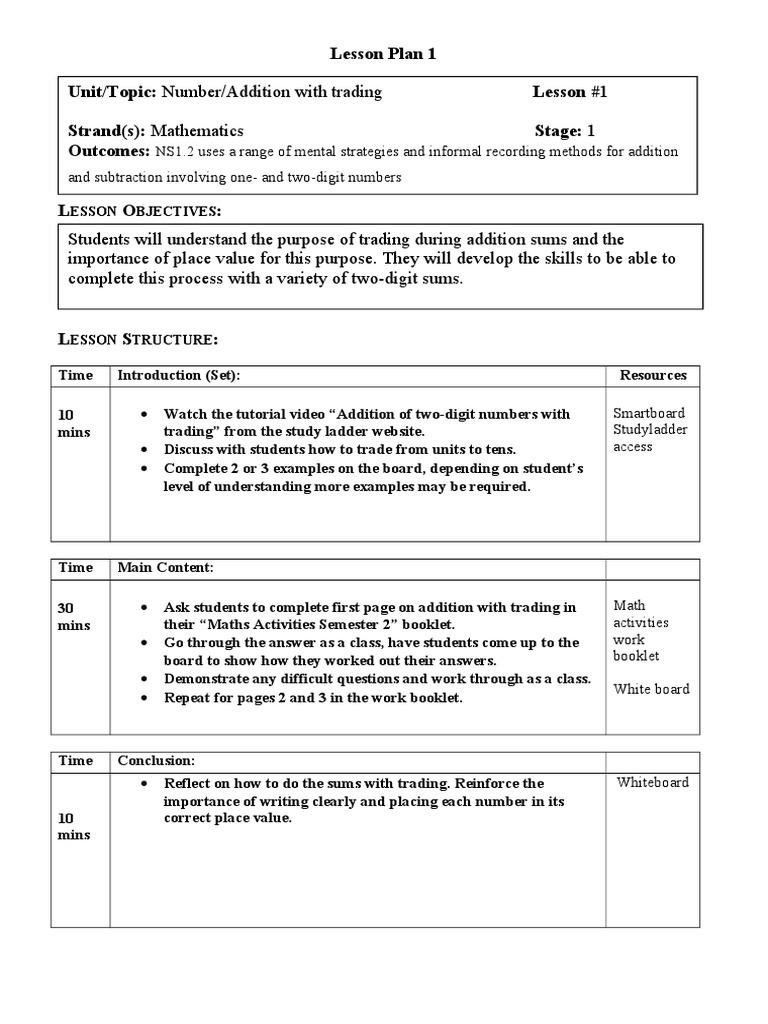
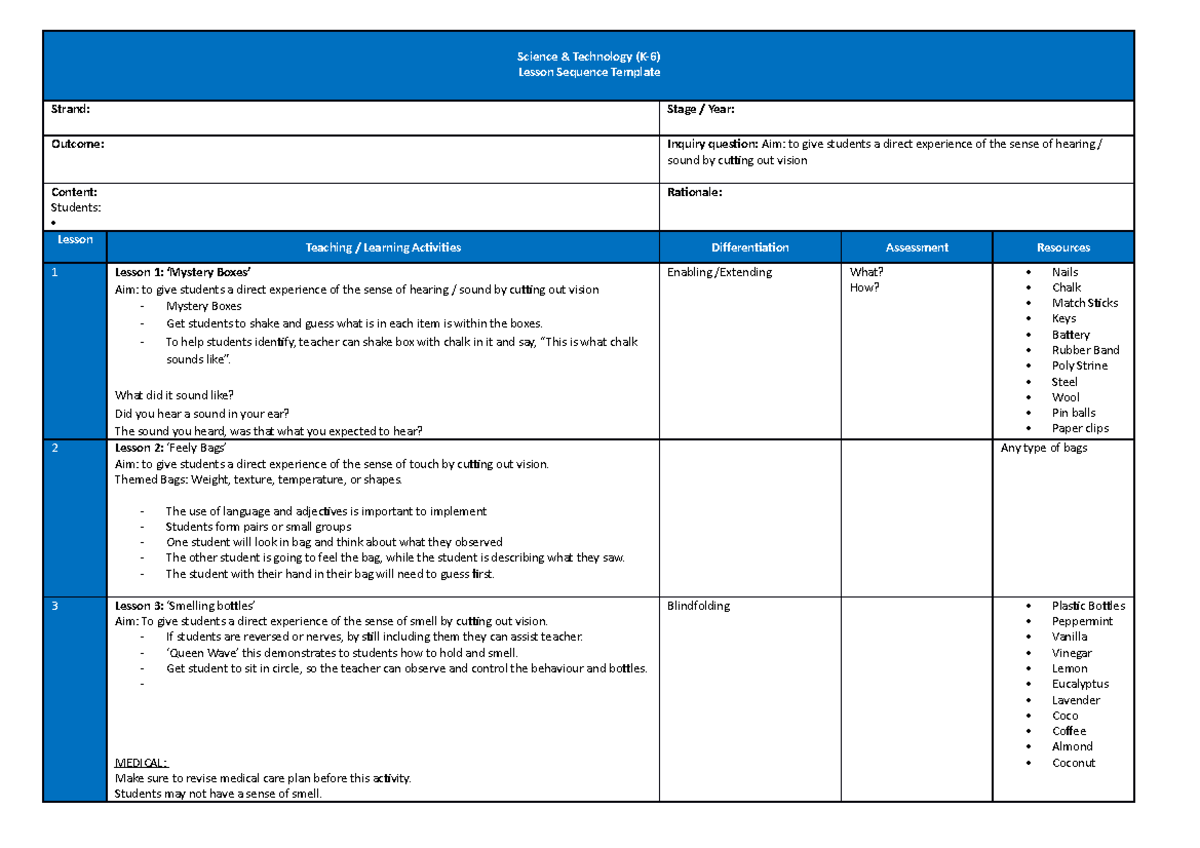
A lesson sequence example provides a structured, step-by-step roadmap for delivering educational content efficiently across varied instructional settings. According to the Journal of Educational Psychology, structured instructional frameworks improve concept retention and student performance by up to thirty percent compared to unstructured lesson delivery. Utilizing a carefully planned lesson sequence example ensures that foundational concepts are fully established before advancing to complex multi-step problem solving. This pedagogical approach supports educators, parents, and self-directed learners in eliminating gaps in understanding while maintaining steady academic progression. Related guide: Khan Academy Integers.
Quick Key Takeaways:
- Core Focus: A lesson sequence example establishes a logical, phase-by-phase timeline for teaching targeted academic topics.
- Target User: Educators, homeschool parents, and academic coordinators designing structured unit plans.
- Key Recommendation: Align each stage of the instructional timeline directly with measurable learning objectives before distribution.
What This Printable Covers
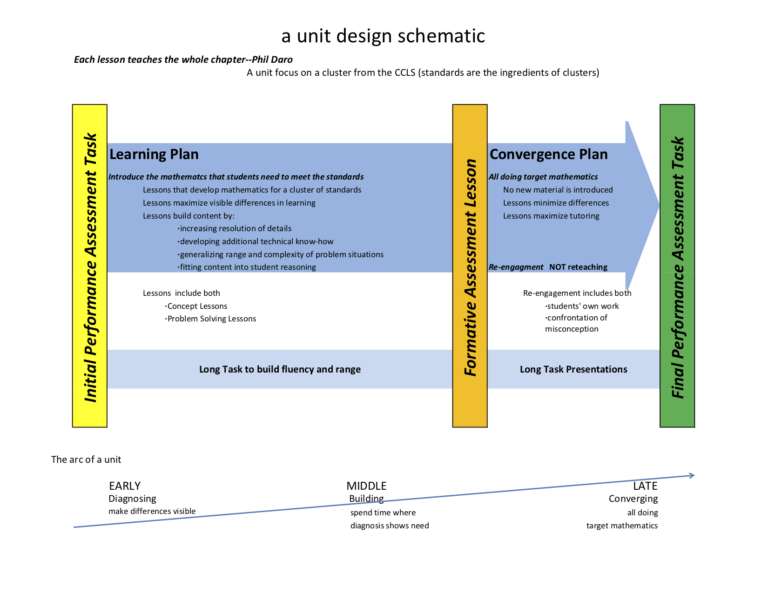
This resource delivers a comprehensive architectural blueprint for mapping daily educational milestones into cohesive multi-week units. Grounded in systematic curriculum design principles, the layout guides users through pre-assessment planning, direct instruction pacing, guided practice iterations, and formative evaluation checkpoints. For broader resource exploration, integrating tools found within Academic categories helps bridge structural planning with daily student execution.
Key Learning Outcomes
Users learn to deconstruct broad educational standards into manageable, sequential daily objectives. The framework trains facilitators to embed regular diagnostic checks to evaluate comprehension prior to introducing advanced cognitive tasks. Additionally, participants master the synchronization of supplementary materials, ensuring that every worksheet and assessment aligns with the overarching instructional goals.
Overview & Skill Breakdown
| Focus Area | Target Skill | Best Practice |
|---|---|---|
| Concept Introduction | Activating prior knowledge | Use warm-up prompts before introducing core instructional material. |
| Guided Practice | Skill application | Provide scaffolded support during initial student problem-solving phases. |
| Formative Evaluation | Comprehension tracking | Deploy short diagnostic checks to assess readiness for advanced topics. |
How to Use This Worksheet
Implementing this organizational tool requires beginning with the end goal in mind, mapping backwards from final unit assessments to day-one introductory activities. Facilitators complete the designated fields by assigning realistic timeframes, required materials, and targeted competencies for each instructional phase. To maintain structured administrative oversight across multiple subjects, pairing this framework with templates from Administrative categories ensures long-term organizational consistency.
Practical Tips for Success
Preparation involves gathering all necessary supplementary reading materials and diagnostic assessments prior to launching the unit. Execution requires monitoring student pacing closely during the guided practice phases, making real-time adjustments if the cohort requires additional reinforcement on foundational sub-skills. Extension activities should be pre-planned within the final stages of the timeline to challenge advanced learners without disrupting the core instructional momentum.
Stage-Appropriate Recommendations
For early developmental stages, frameworks align closely with the National Association for the Education of Young Children (NAEYC) standards, emphasizing play-based exploration and shorter instructional blocks. Advanced academic phases transition toward rigorous, competency-based tracking where independent practice and analytical writing dominate the daily agenda.
Structured instructional frameworks improve concept retention and student performance by up to thirty percent compared to unstructured delivery — Journal of Educational Psychology
Frequently Asked Questions
Explore More Free Printable Resources
Discover a comprehensive library of developmental tools, organizational templates, and targeted learning aids tailored for every educational milestone. Whether supporting early childhood milestones available via Early Learning or fostering lifelong educational habits through Personal Growth resources, visitors can access thousands of professional documents at Free Printable For You.
Images References