Introduction
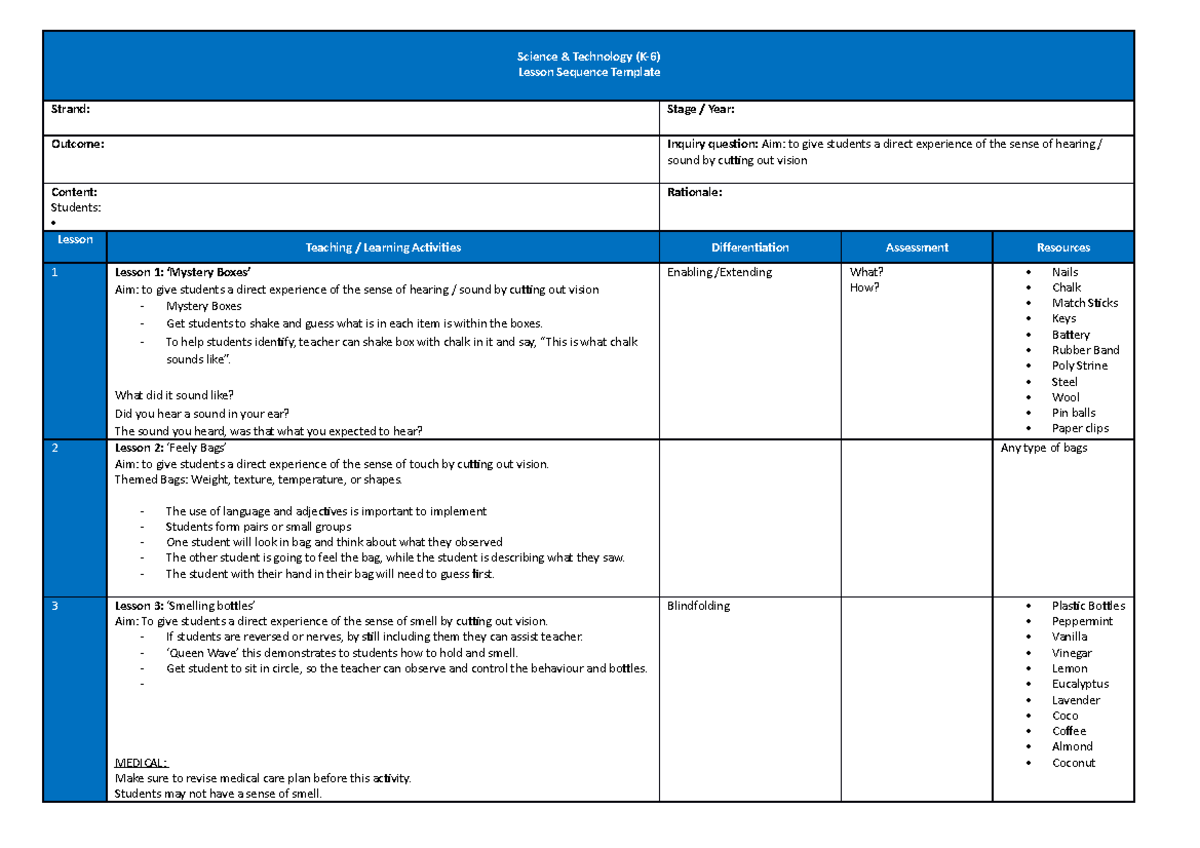
A lesson template for teachers is a structured foundational document designed to streamline instructional design, align curriculum goals with daily activities, and maximize classroom instructional time. According to the National Education Association, structured instructional planning and standardized pedagogical frameworks significantly reduce educator burnout while simultaneously improving student comprehension metrics. By establishing a consistent blueprint for objective setting, material gathering, guided practice, and independent assessment, a reliable lesson template for teachers removes the cognitive friction of daily preparation. Utilizing these structured layouts ensures that educators maintain a steady pace across diverse Academic subjects, supporting both remedial intervention and advanced enrichment within standard educational environments.
Quick Key Takeaways:
- Core Focus: A standardized structural guide for mapping out daily educational objectives, instructional strategies, and assessments.
- Target User: Classroom educators, homeschool instructors, and curriculum coordinators seeking organized pedagogical delivery.
- Key Recommendation: Standardize planning workflows weekly to ensure consistent alignment with state or institutional standards.
What This Printable Covers
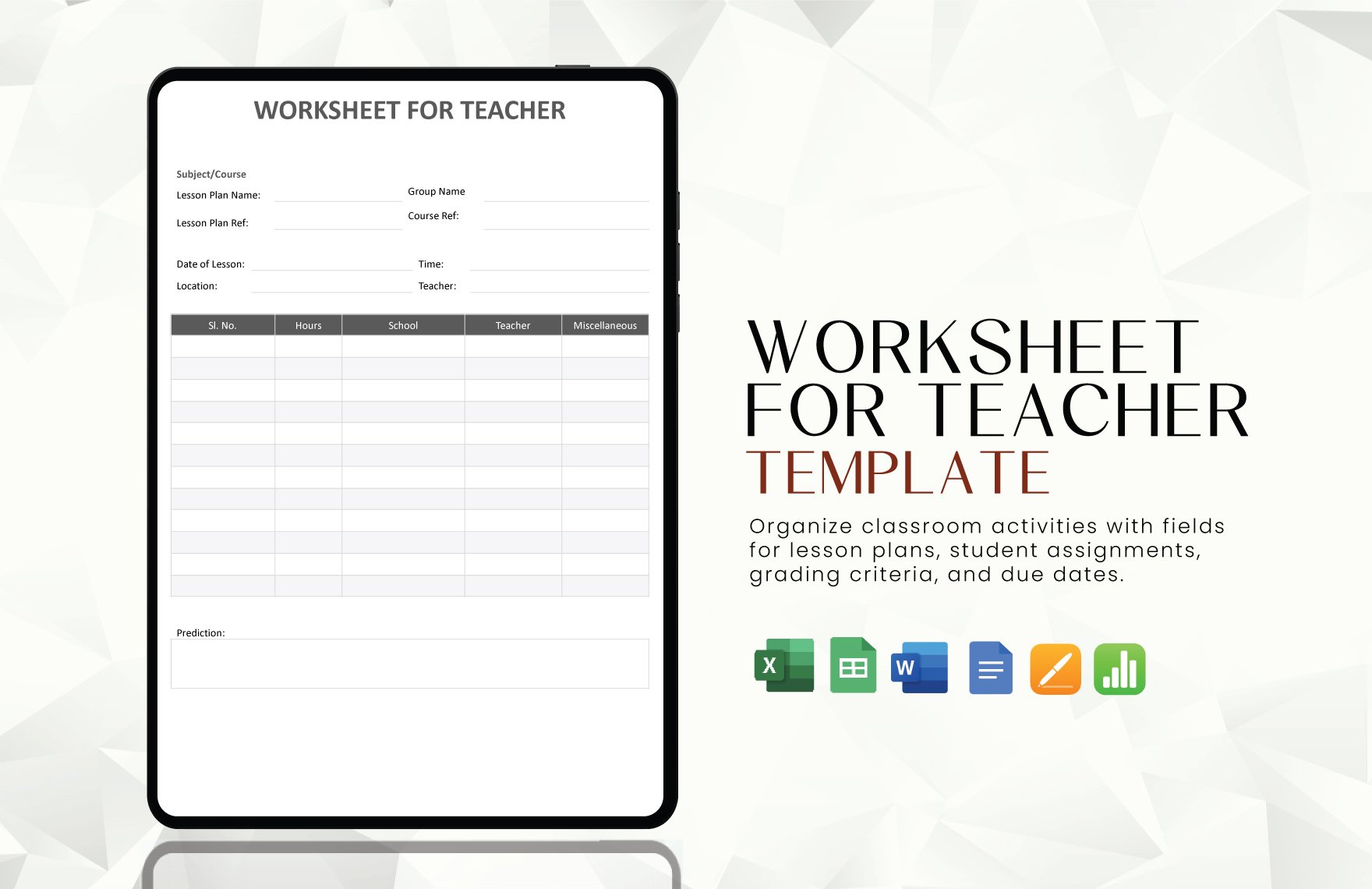
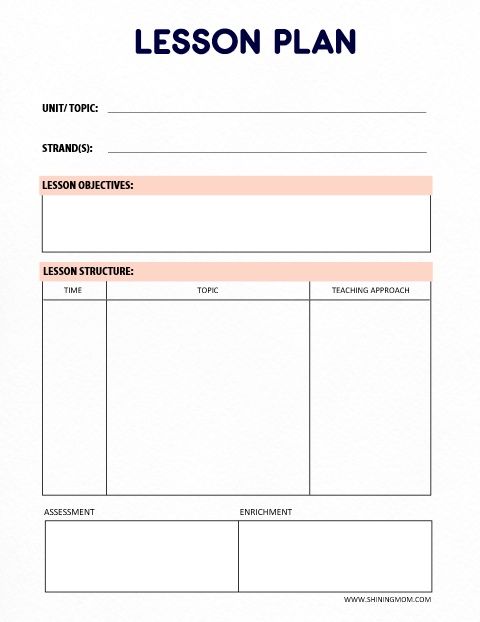
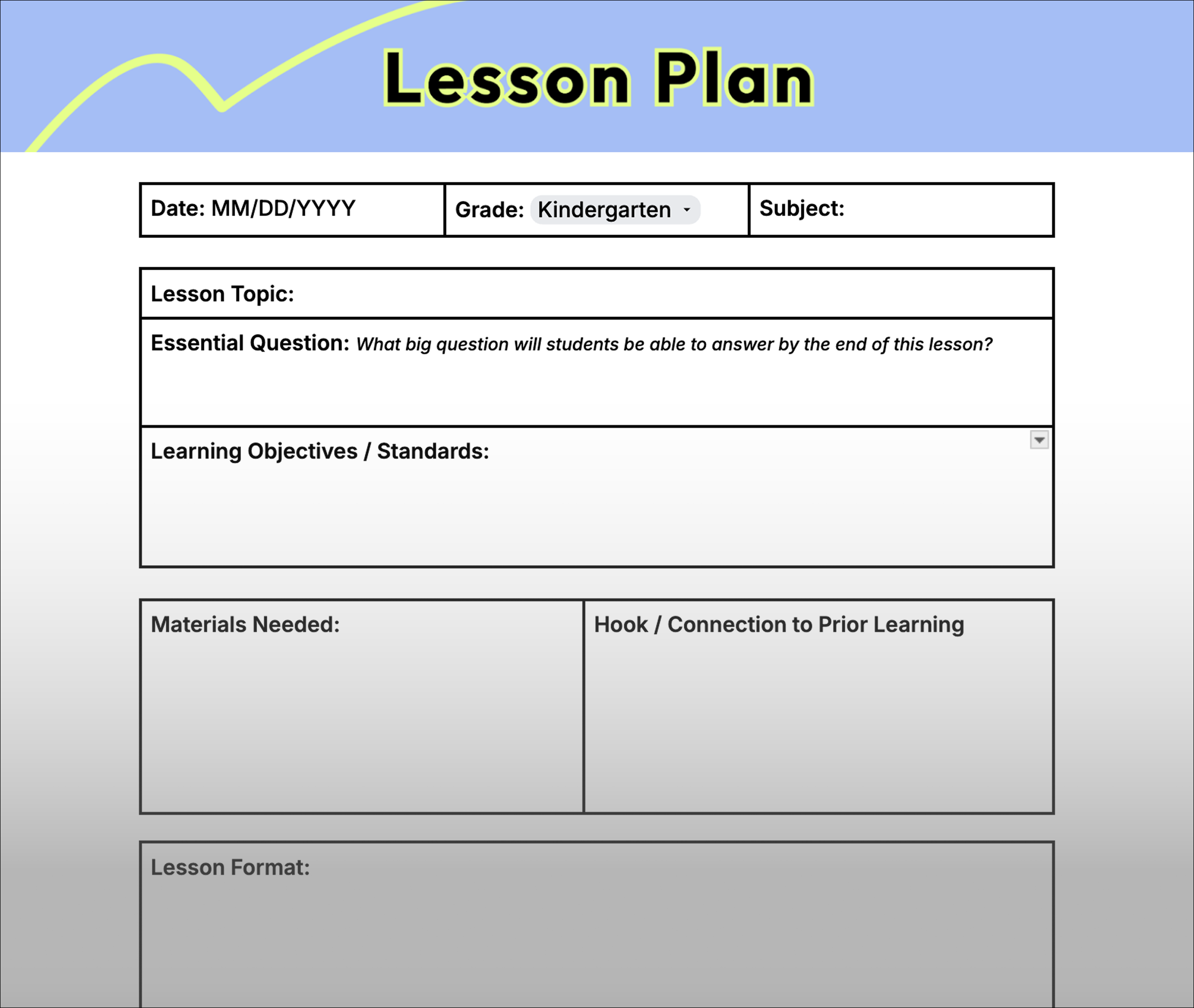
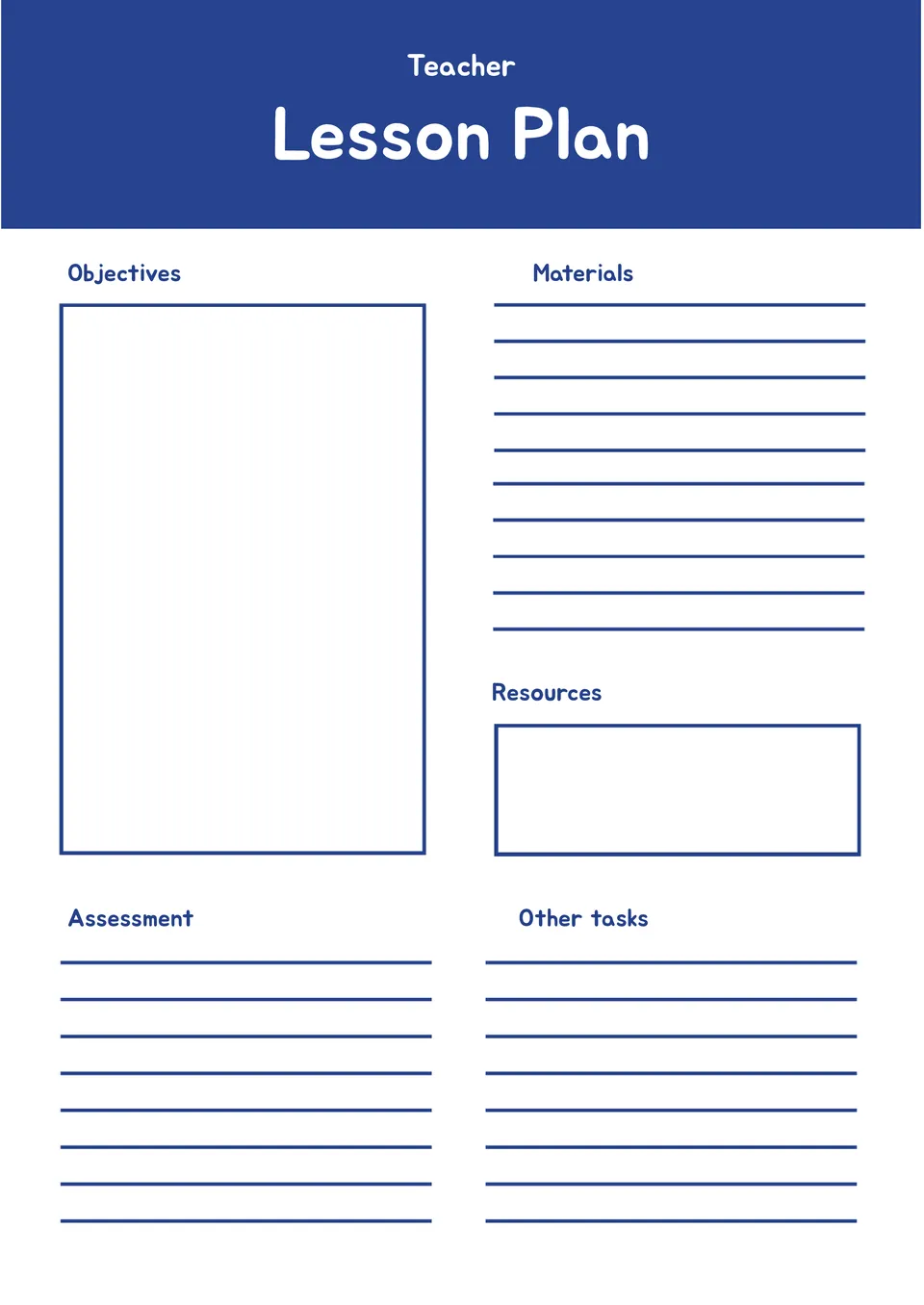
The printable resource covers essential structural components of effective pedagogy, including measurable learning objectives, anticipated vocabulary, pacing intervals, differentiated instruction modifications, and formative assessment tools. Alignment with standard educational benchmarks ensures that every recorded lesson satisfies rigorous instructional criteria. Furthermore, the inclusion of Administrative tracking markers allows educators to log attendance flags, resource usage, and standard codes efficiently. Users also integrate specific Worksheet references directly into the daily sequence to maintain cohesive alignment between direct instruction and independent practice.
Key Learning Outcomes
Educators utilizing this structured framework experience marked improvements in curriculum pacing and objective clarity. Core outcomes include the systematic reduction of transition time between instructional segments, enhanced documentation for performance evaluations, targeted identification of learning gaps through structured formative checks, and streamlined accommodation planning for diverse learners across Early Learning and secondary environments.
Overview & Skill Breakdown
| Focus Area | Target Skill | Best Practice |
|---|---|---|
| Objective Mapping | Target setting | Define observable, measurable student goals before writing activities. |
| Time Management | Pacing control | Allocate strict minute ranges for hook, instruction, and closure. |
| Differentiation | Equity integration | Pre-plan specific scaffolds for diverse developmental needs. |
How to Use This Worksheet
Implementation begins with digital or physical duplication of the layout prior to the instructional week. Educators populate the foundational objective and standard alignment fields before detailing the specific materials required. During execution, the document serves as an active teaching checklist, keeping pacing on track and reminding the instructor of planned formative checks. Following the instructional period, brief reflective notes are recorded in the designated evaluation section to inform subsequent instructional adjustments. Related guide: Producing Learning Resources Using Technology Tools.
Practical Tips for Success
Preparation involves gathering all necessary resources and printing adequate physical copies at the start of each academic week to minimize daily administrative scrambling. Execution relies on displaying the core learning objective clearly while following the allocated pacing intervals to prevent rushed conclusions. Extension is achieved by utilizing the reflection space to document necessary remediation loops, ensuring continuous improvement for lifelong learning applications akin to targeted Personal Growth tracking models.
Stage-Appropriate Recommendations
For foundational and beginner stages, instructional templates should prioritize behavioral objectives, sensory engagement intervals, and simple skill checklists aligned with the National Association for the Education of Young Children (NAEYC) guidelines for developmentally appropriate practice. As instructional complexity advances toward middle and secondary tiers, the framework adapts to incorporate inquiry-based prompts, rigorous analytical assessments, and student-led pacing markers. According to NAEYC standards, maintaining clear, predictable instructional routines supports optimal cognitive development and self-regulation in learners.
Structured lesson planning reduces educator burnout and improves student comprehension by establishing consistent pedagogical routines — National Education Association
Frequently Asked Questions
Explore More Free Printable Resources
Enhance instructional organization and classroom efficiency by browsing the comprehensive archive available at Free Printable For You. Access hundreds of high-quality templates tailored for every educational setting.
Images References