Introduction
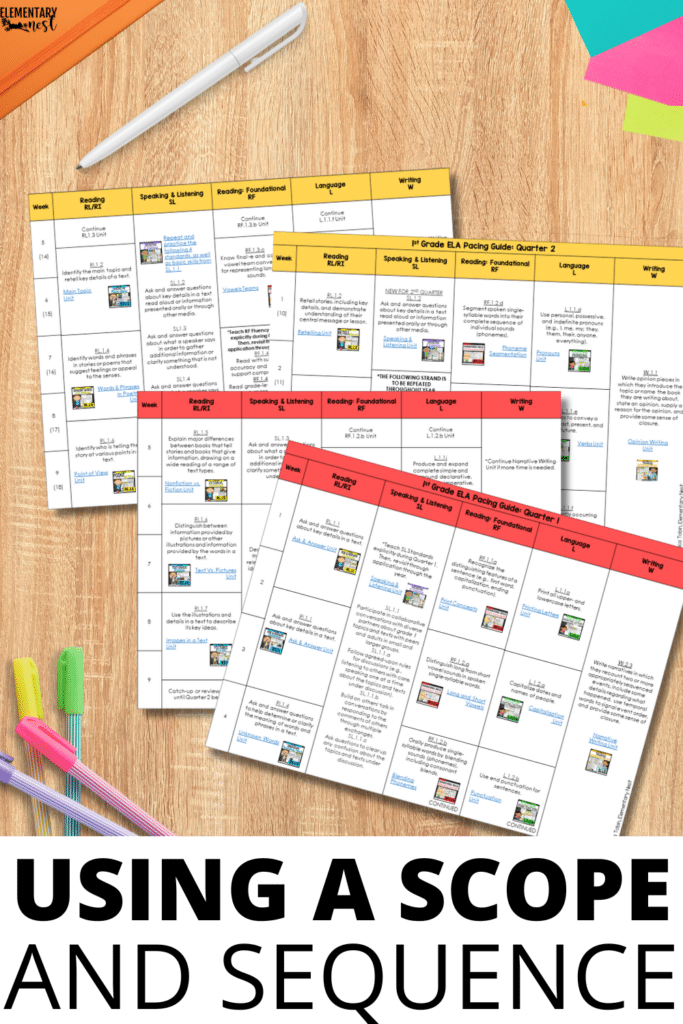
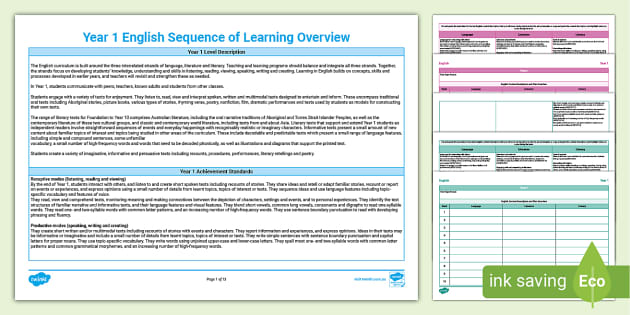
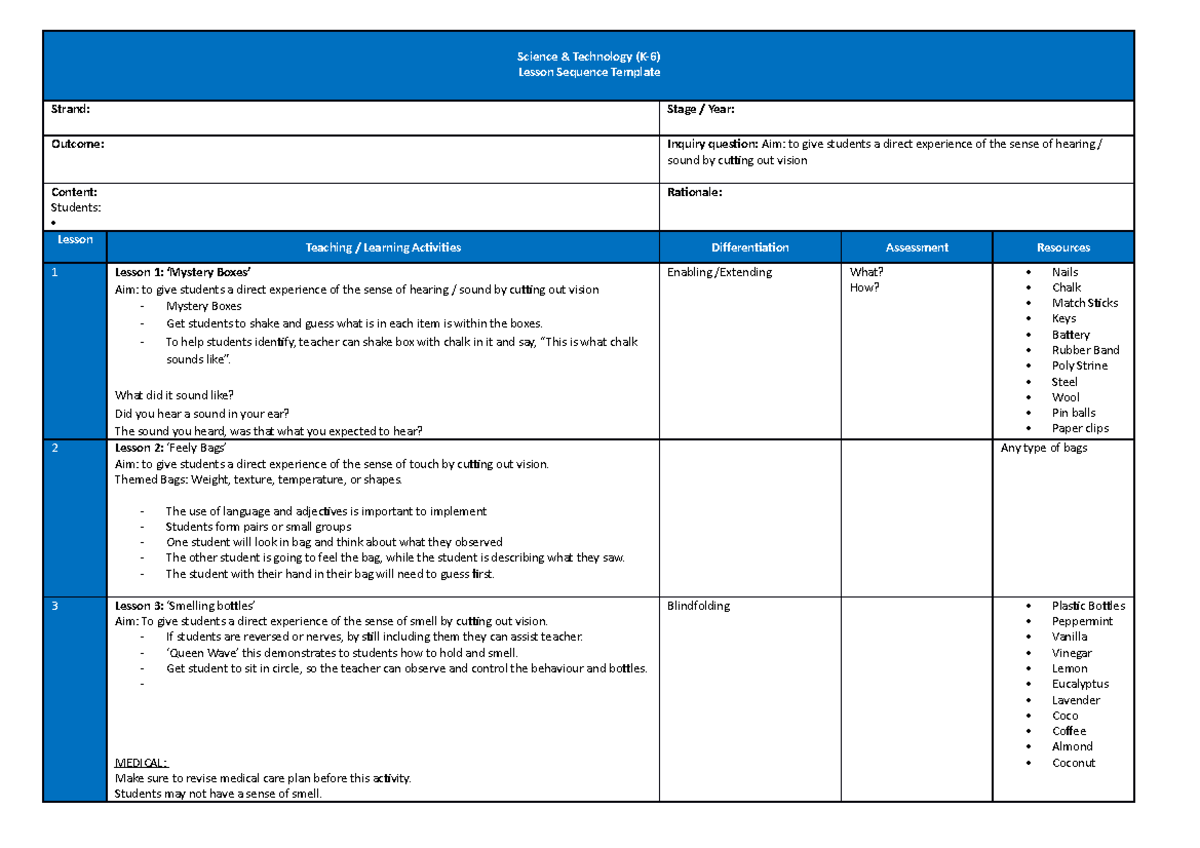
A lesson sequence is the systematic arrangement of educational steps, concepts, and activities designed to guide learners from initial exposure to full mastery of a specific objective. According to cognitive load theory research published in educational psychology journals, structuring instructional content into sequential, manageable increments significantly improves working memory retention and long-term schema formation. Without a well-planned sequence, instructional units often suffer from cognitive overload, leaving learners fragmented in their understanding. Utilizing structured curriculum guides helps maintain logical progression, ensuring that foundational concepts precede complex applications across any educational environment. Related guide: Order Of Adjectives Exercises With Answers.
Quick Key Takeaways:
- Core Focus: Systematic arrangement of educational steps to guide learners from introduction to mastery.
- Target User: Educators, parents, and administrative curriculum planners operating in formal or home settings.
- Key Recommendation: Align sequential milestones with developmental frameworks before introducing advanced Academic topics.
What This Printable Covers
This resource provides a blueprint for organizing daily instructional goals, long-term educational milestones, and corresponding assessment checkpoints. By mapping out objectives systematically, educators can bridge gaps between abstract theories and concrete practice. The framework aligns with recognized standards of instructional design, ensuring that every Worksheet, activity, and evaluation directly supports the overarching learning goal without redundancy.
Key Learning Outcomes
Implementers of this methodology achieve enhanced instructional clarity through structured topic phasing. Learners benefit from predictable pacing that reinforces prior knowledge before introducing novel challenges. Furthermore, curriculum developers gain a reliable mechanism to track progress, evaluate pacing efficiency, and maintain alignment with broader educational standards across various subjects.
Overview & Skill Breakdown
| Focus Area | Target Skill | Best Practice |
|---|---|---|
| Diagnostic Phase | Baseline assessment | Identify prior knowledge gaps |
| Core Progression | Concept integration | Scaffold difficulty incrementally |
| Mastery Check | Skill transfer | Apply knowledge to new contexts |
How to Use This Worksheet
Begin by identifying the primary terminal objective of the instructional unit and entering it into the designated header section. Next, reverse-engineer the timeline by establishing interim milestones, allocating specific activities and support materials to each distinct phase. This method functions seamlessly alongside Administrative tracking documents to monitor institutional compliance and resource allocation.
Practical Tips for Success
Preparation requires gathering all prerequisite diagnostic tools and reference materials prior to outlining the daily units. During execution, monitor engagement metrics closely to determine if the pacing requires acceleration or remediation. For extension, incorporate cross-curricular applications that challenge advanced learners to synthesize multiple sequential concepts into a single comprehensive project.
Stage-Appropriate Recommendations
For early developmental stages, the lesson sequence should emphasize sensory engagement, short instructional bursts, and foundational skill acquisition, aligning closely with the National Association for the Education of Young Children (NAEYC) standards for responsive teaching. As learners transition into advanced academic tracks, the sequence shifts toward independent inquiry, critical analysis, and self-regulated pacing. According to the International Bureau of Education, effective pedagogical structuring relies on maintaining developmental continuity, ensuring that each educational stage builds securely upon the structural integrity of the previous phase.
Developmental Continuity — International Bureau of Education
Frequently Asked Questions
Q: How do I download the lesson sequence template?
A: Click the download link on the resource page to instantly save the printable PDF format for immediate use.
Q: What is the primary practical benefit of a structured sequence?
A: It prevents cognitive overload by organizing concepts logically from foundational to advanced mastery levels.
Q: Which trusted guidelines inform this framework?
A: The structure integrates cognitive load theory and recognized NAEYC and international education standards.
Explore More Free Printable Resources
Enhance your educational planning toolkit by exploring additional organizational frameworks, targeted exercises, and developmental aids available across the full library at Free Printable For You. Whether focusing on foundational Early Learning milestones or pursuing advanced Personal Growth, structured resources provide the clarity needed for sustained educational success.
Images References