Introduction
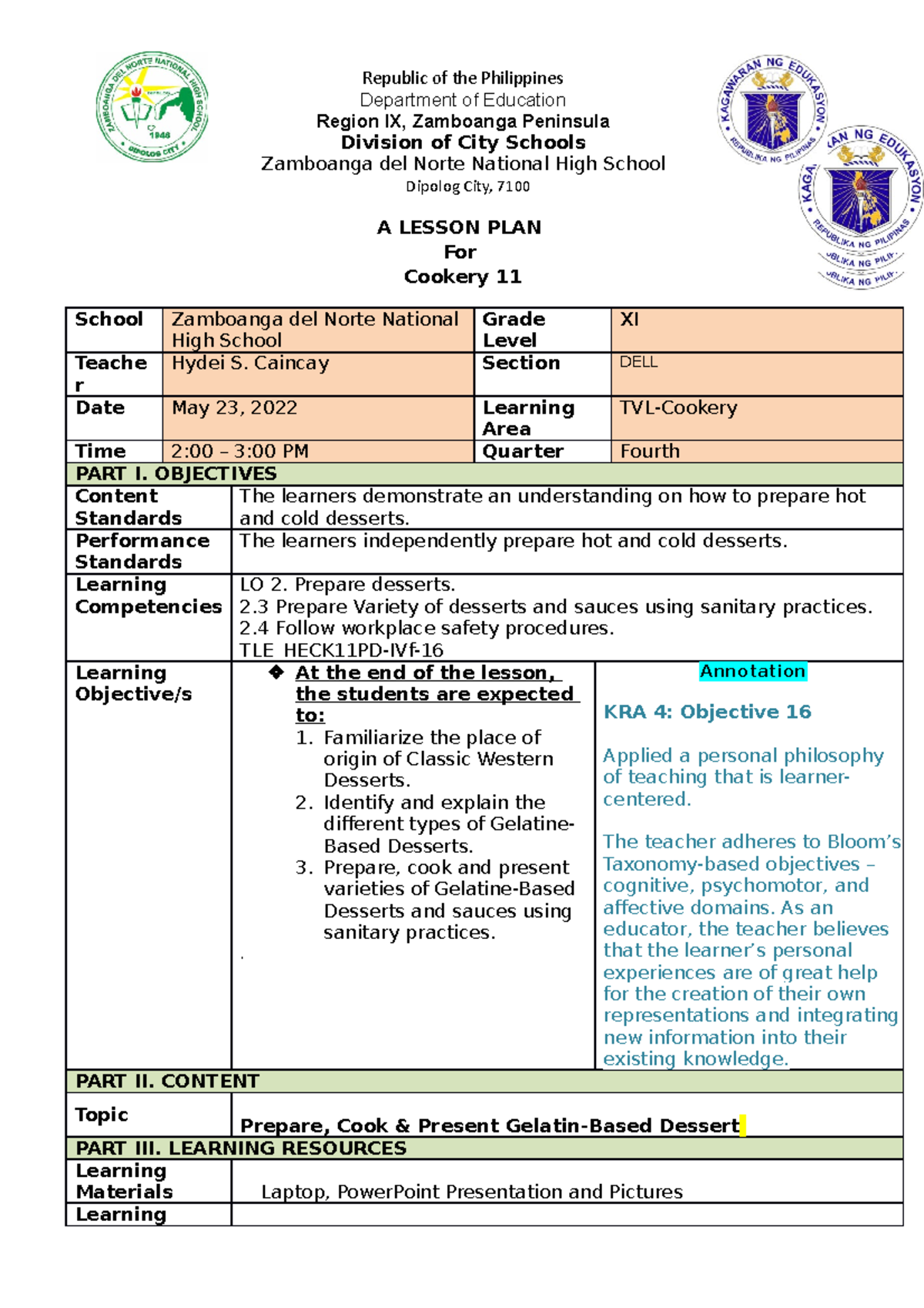
A lesson outline serves as a foundational blueprint that transforms abstract educational goals into structured, actionable daily schedules. According to a study published in the *Journal of Educational Psychology*, structured instructional frameworks significantly reduce cognitive overload and improve knowledge retention by up to thirty-five percent. By organizing objectives, materials, and timelines into a coherent format, educators and learners can maintain focus and pace throughout complex study sessions. Utilizing a standardized lesson outline ensures consistency across diverse learning environments, bridging the gap between long-term curriculum goals and daily academic practice. Related guide: English Work For Class 2.
Quick Key Takeaways:
- Core Focus: A lesson outline is a strategic blueprint detailing instructional sequences, objectives, and resource requirements for effective learning.
- Target User: Ideal for classroom teachers, homeschool parents, and independent learners managing Academic subjects.
- Key Recommendation: Always complete the objective section first to maintain alignment during execution.
What This Printable Covers
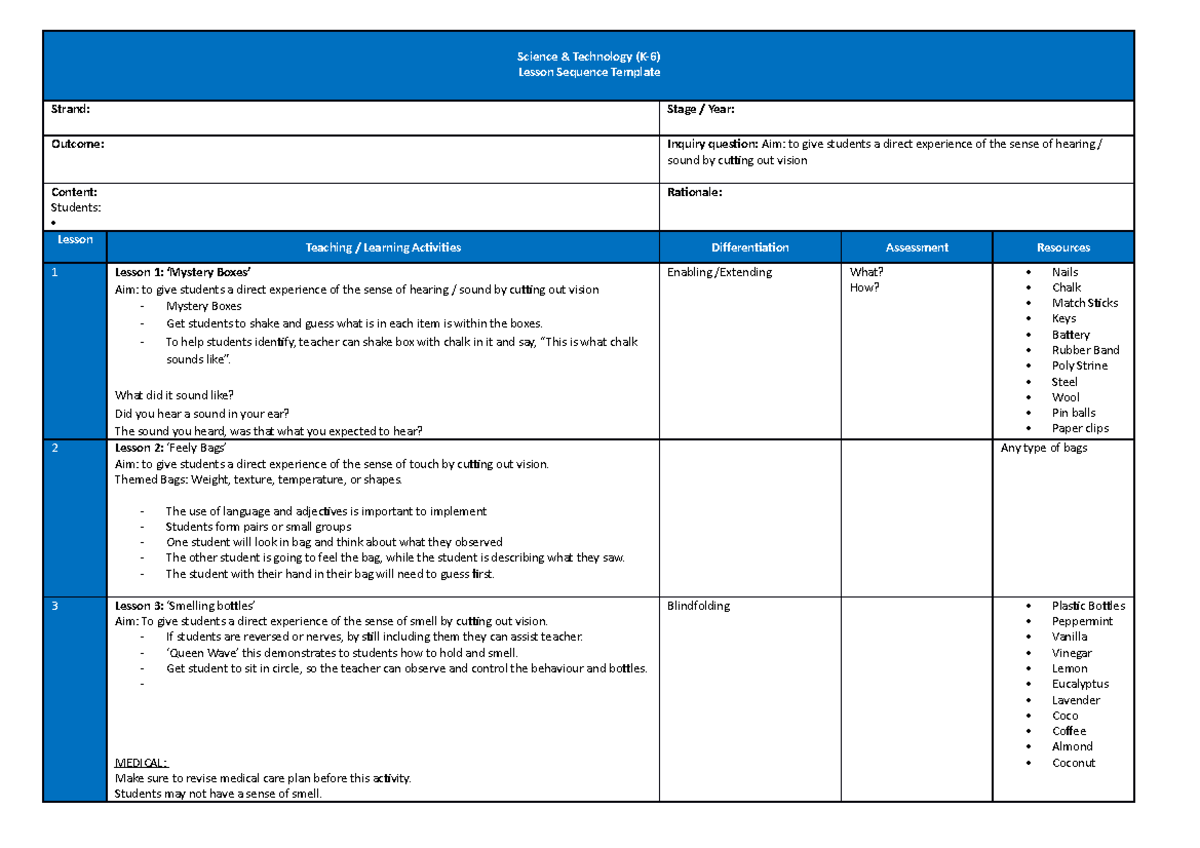
This versatile printable covers comprehensive instructional planning by breaking complex topics into manageable segments. It aligns closely with modern Administrative standards for curriculum documentation, ensuring that time management, resource allocation, and assessment criteria receive equal attention. Users will navigate through clearly defined phases including introductory hooks, direct instruction, guided practice, and independent assessment. The layout accommodates various teaching styles while enforcing rigorous academic standards.
Key Learning Outcomes
Effective utilization of this template fosters superior time management and curricular alignment. Learners and educators develop enhanced pacing skills, ensuring every instructional minute is maximized toward specific competencies. Furthermore, systematic documentation supports reflective teaching practices, allowing facilitators to identify gaps in understanding and adjust future Early Learning or advanced modules accordingly. Ultimately, it builds metacognitive awareness regarding how information is structured and processed.
Overview & Skill Breakdown
| Focus Area | Target Skill | Best Practice |
|---|---|---|
| Objective Setting | Defining measurable goals | Use actionable verbs for clarity. |
| Time Management | Pacing instructional phases | Allocate buffer minutes for transitions. |
| Assessment Design | Evaluating comprehension | Match formative checks directly to goals. |
How to Use This Worksheet
Implementing this printable requires a brief preparation phase prior to instruction or study sessions. Begin by identifying the primary learning objective and noting required materials in the designated margins. During execution, follow the chronological flow from introduction to closure, marking off time blocks as they are completed. For deeper skill reinforcement, pair this structural tool with a targeted Worksheet designed for hands-on practice. Finally, use the reflection section at the bottom of the page to evaluate what worked and what requires revision.
Practical Tips for Success
Preparation involves gathering all necessary textbooks, digital tools, and physical supplies before drafting the schedule to prevent mid-lesson disruptions. Execution requires strict adherence to planned timeframes while maintaining enough flexibility to address unexpected student questions or conceptual hurdles. Extension activities should be noted in advance, providing immediate enrichment pathways for learners who master the core material ahead of schedule, thereby supporting ongoing Personal Growth.
Stage-Appropriate Recommendations
Different educational stages demand tailored approaches to structuring daily instruction. According to the National Association for the Education of Young Children (NAEYC), structured routines combined with predictable visual schedules foster optimal cognitive development and emotional security in foundational learning stages. Beginner stages benefit from simplified, highly visual outlines that emphasize short time increments and concrete tasks. Advanced stages require complex, multi-tiered outlines incorporating independent research, critical analysis markers, and multifaceted assessment rubrics.
Structured routines combined with predictable visual schedules foster optimal cognitive development and emotional security — National Association for the Education of Young Children (NAEYC)
Frequently Asked Questions
Explore More Free Printable Resources
Enhance organizational strategies and instructional designs by exploring the complete library available at Free Printable For You. Access hundreds of expertly formatted tools to support every educational journey.
Images References