Introduction
A mini lesson is a brief, highly focused instructional segment designed to teach a single concept or skill in under fifteen minutes. According to cognitive load theory research published by John Sweller, instructional efficiency increases significantly when information is delivered in small, digestible increments that prevent working memory overload. By concentrating instruction into concise, targeted bursts, educators and facilitators can maximize comprehension and retention. Utilizing structured mini lesson materials helps streamline knowledge acquisition across diverse educational and developmental settings, making complex subjects far more approachable for learners of all ages.
Quick Key Takeaways:
- Core Focus: A concise mini lesson targets one specific skill or concept through direct instruction and guided application.
- Target User: Educators, parents, and administrative facilitators seeking focused, time-efficient learning materials.
- Key Recommendation: Pair the focused lesson with a targeted worksheet to reinforce immediate concept retention.
What This Printable Covers
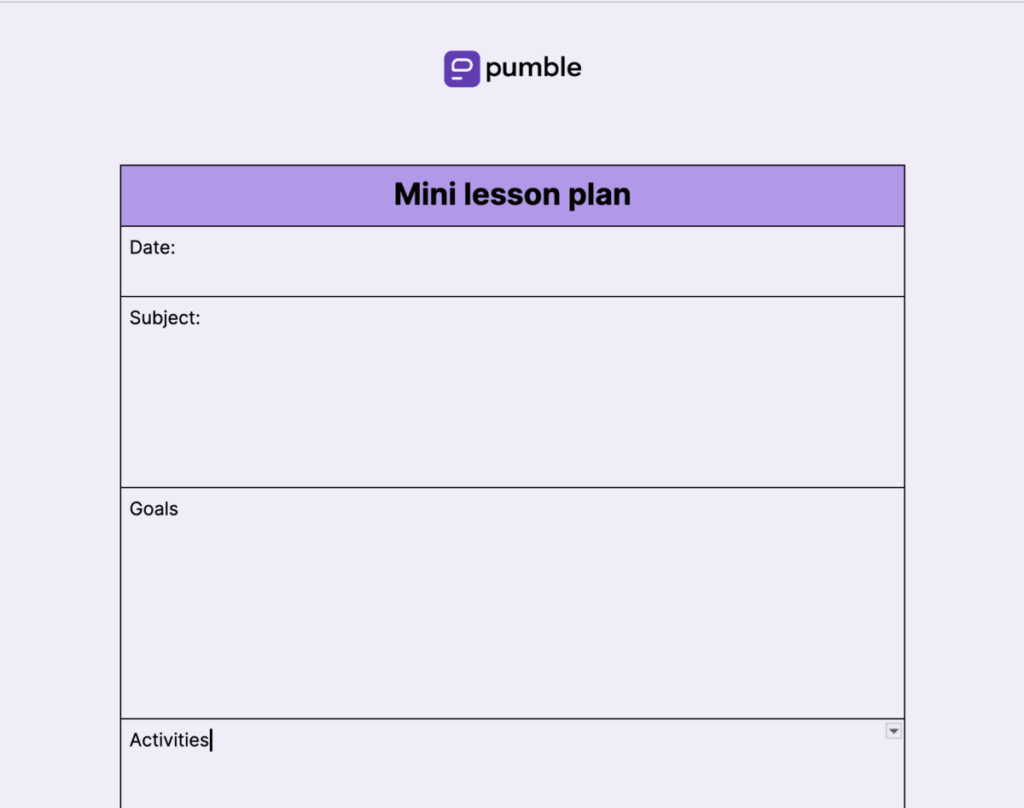
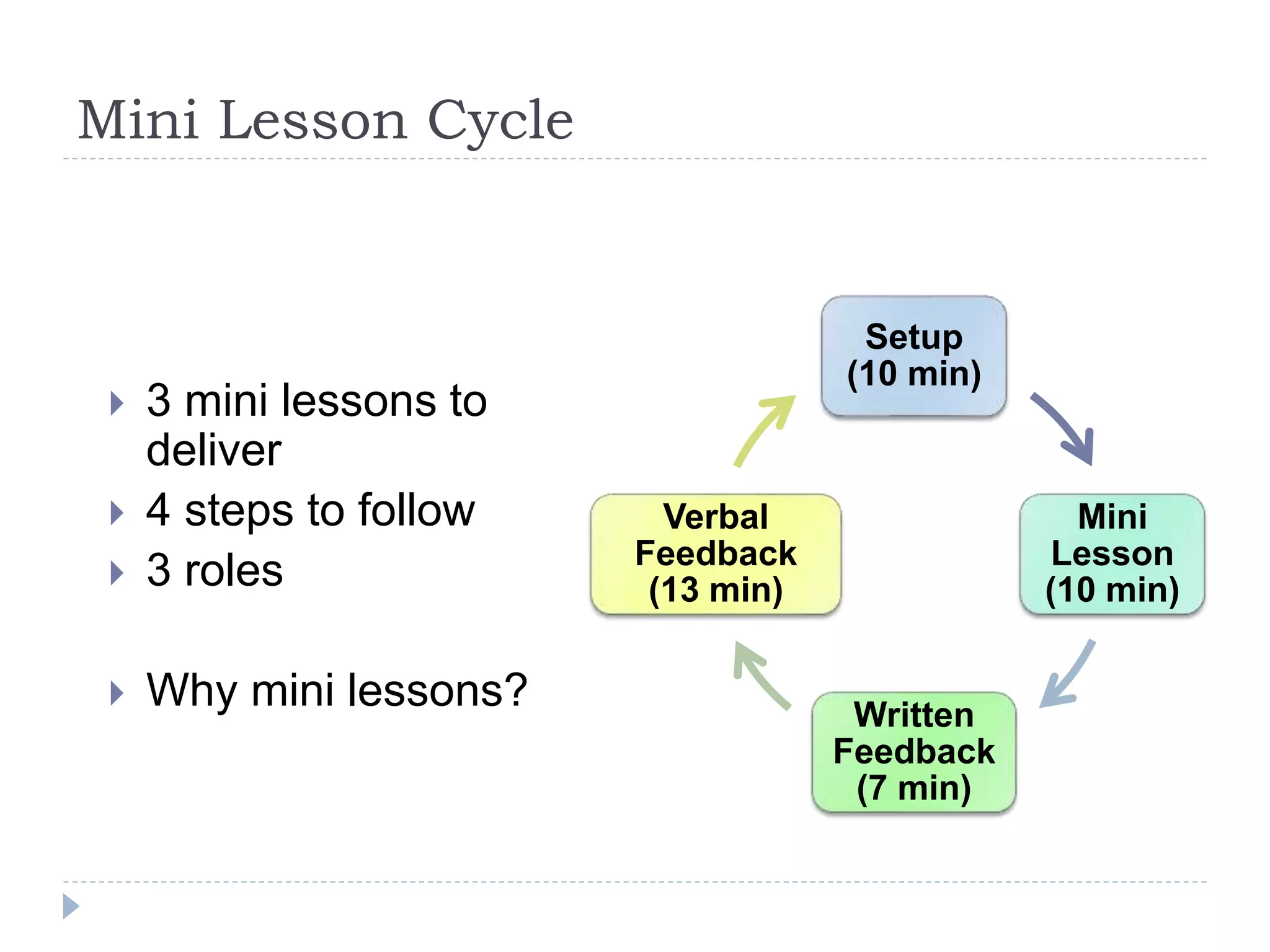
This printable resource provides a structured framework for delivering an impactful mini lesson, breaking down broad topics into manageable cognitive chunks. The layout guides instructors through a clear trajectory of explicit instruction, guided practice, and independent application. By focusing on foundational principles, the material ensures that users grasp core mechanics before advancing to complex integrations. Furthermore, the design supports cross-disciplinary applications, seamlessly bridging foundational Academic subjects with targeted Administrative workflows and Personal Growth objectives.
Key Learning Outcomes
Engaging with this mini lesson framework builds targeted competence by isolating specific variables for focused mastery. Learners cultivate enhanced analytical thinking through structured problem-solving exercises. Additionally, participants develop independent self-monitoring habits by evaluating their own progress during guided practice routines. Ultimately, the framework strengthens long-term memory retention through active, intentional engagement with concise informational units.
Overview & Skill Breakdown
| Focus Area | Target Skill | Best Practice |
|---|---|---|
| Concept Introduction | Active listening and primary comprehension | Keep verbal explanations under five minutes before shifting to application. |
| Guided Practice | Skill execution and peer collaboration | Monitor progress closely and provide immediate, corrective feedback. |
| Independent Review | Self-assessment and mastery validation | Use supplemental Early Learning or advanced prompts to verify transfer of knowledge. |
How to Use This Worksheet
Implementing a mini lesson effectively requires a balance of structure, pacing, and timely assessment. Begin by reviewing the learning objective clearly before distributing any accompanying materials. Instructors should model the desired skill explicitly, demonstrating the exact thought process expected from the learner. Following the demonstration, transition quickly to guided practice where learners can attempt the concept with minimal support. Conclude the session with a brief reflection or independent check to gauge overall understanding and identify any areas requiring future review.
Practical Tips for Success
Preparation involves gathering all required writing tools and organizing supplementary materials prior to the session to maintain a brisk, engaging pace. During execution, strictly adhere to the established time limits to preserve the high-impact nature of the mini lesson. For extension, introduce a minor variation or real-world application challenge once the core concept is mastered, ensuring continuous cognitive growth without causing overwhelm.
Stage-Appropriate Recommendations
When scaling a mini lesson for different developmental milestones, alignment with established professional frameworks is essential. According to the National Association for the Education of Young Children (NAEYC) guidelines, instructional segments for developing minds must remain concrete, multisensory, and brief to match attentional capacities. Beginner stages emphasize visual cues and tactile engagement, while advanced stages incorporate analytical inquiry, complex text evaluation, and self-directed goal setting.
Instructional efficiency increases when information is delivered in small increments that prevent working memory overload — John Sweller’s Cognitive Load Theory
Frequently Asked Questions
Explore More Free Printable Resources
Expanding instructional toolkits with diverse educational assets transforms everyday practice into dynamic learning experiences. Discover an extensive selection of targeted resources, templates, and guides designed to support learners at every stage of development by visiting the comprehensive library at Free Printable For You.
Images References