Introduction
A structured noun activity serves as a foundational pedagogical tool designed to reinforce parts of speech mastery through targeted linguistic engagement. According to research published by the Institute of Education Sciences, explicit and systematic grammar instruction significantly improves reading comprehension and written expression among developing learners. Grounded in evidence-based literacy methods, these instructional printables bridge theoretical grammar rules and practical vocabulary application. Every noun activity transitions abstract linguistic definitions into concrete identification and categorization exercises, establishing essential scaffolding for complex sentence construction across diverse academic levels.
Quick Key Takeaways:
- Core Focus: Systematic grammar exercises targeting noun identification, classification, and application.
- Target User: Educators, homeschoolers, and students in primary literacy development settings.
- Key Recommendation: Combine visual categorization tasks with sentence-building extensions for optimal retention.
What This Printable Covers
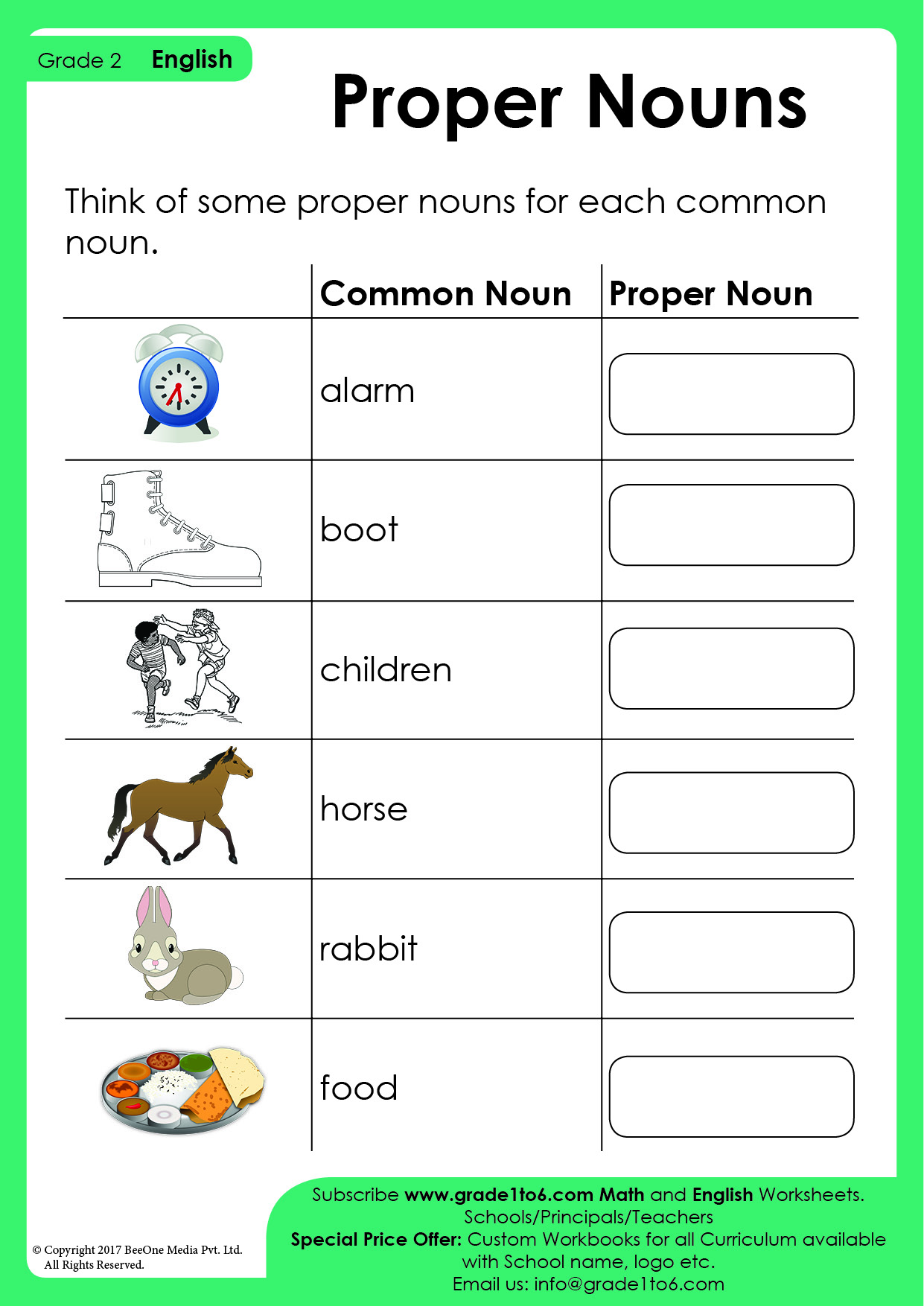
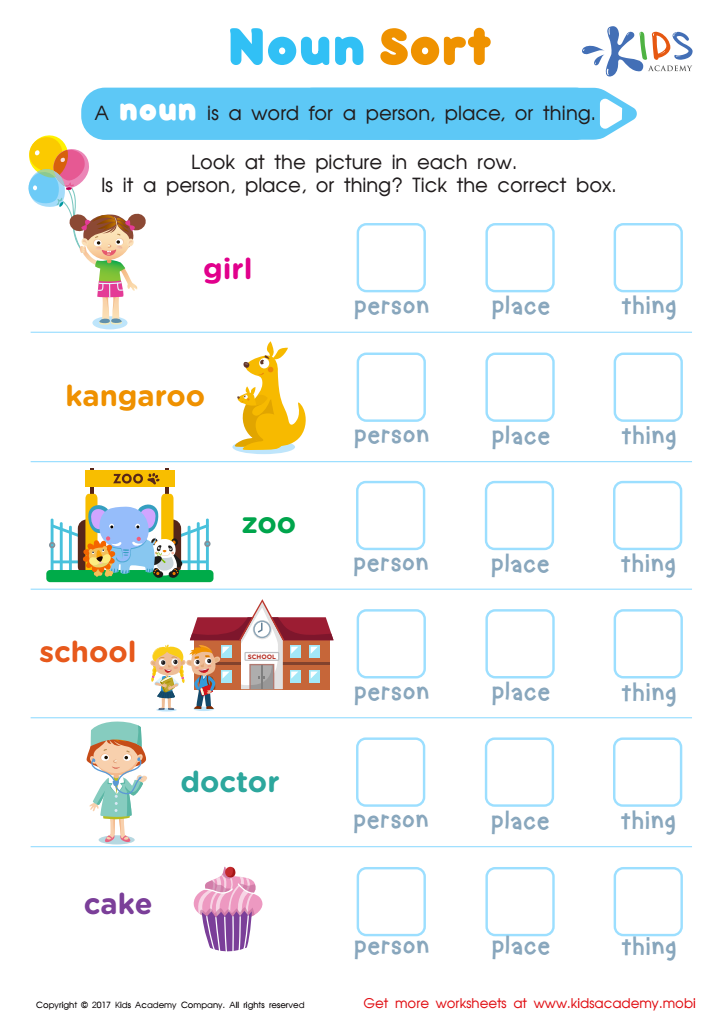
Comprehensive language development requires methodical exposure to various lexical categories, ranging from basic concrete entities to abstract concepts and proper nouns. Designed for seamless classroom or home integration, these materials align closely with core educational standards found within structured Academic frameworks. The content systematically isolates common, proper, singular, plural, and possessive forms, guiding learners through structured identification matrices, word sorts, and fill-in-the-blank contextual prompts that reinforce grammatical precision.
Key Learning Outcomes
Engaging with these targeted exercises yields measurable improvements in linguistic accuracy. Learners reliably differentiate between person, place, thing, and idea categories with high precision. Furthermore, participants master the mechanics of capitalization for proper nouns while effectively converting singular vocabulary terms into correct plural formations. Ultimately, this foundational practice supports broader Early Learning milestones by expanding expressive vocabularies and enhancing overall syntactical awareness in independent writing.
Overview & Skill Breakdown
| Focus Area | Target Skill | Best Practice |
|---|---|---|
| Identification | Recognizing persons, places, things, and ideas | Highlight nouns in short reading passages first |
| Classification | Sorting common versus proper nouns | Use color-coding to separate capitalized categories |
| Application | Constructing original sentences using target terms | Pair with any standard Worksheet for daily review |
How to Use This Worksheet
Implementation requires a balance of guided instruction and independent practice to maximize conceptual retention. Educators typically introduce the target category through an interactive whiteboard session before distributing the printed materials. Students analyze contextual sentences, circle designated parts of speech, and categorize vocabulary items into structured grid columns. For broader organizational tracking or record-keeping related to student progress, standard Administrative tools can supplement daily assignment tracking.
Practical Tips for Success
Successful execution begins with thorough preparation, including pre-teaching core vocabulary and defining abstract nouns before independent completion. During the execution phase, encourage learners to read sentences aloud to hear the syntactical role of each word naturally. Finally, extend the learning beyond the page by tasking students with hunting for nouns within their independent reading books, reinforcing real-world application and long-term memory consolidation.
Stage-Appropriate Recommendations
According to National Association for the Education of Young Children (NAEYC) guidelines, instructional materials must match the developmental readiness of the learner, progressing from concrete sensory experiences to abstract linguistic analysis. Beginner stages focus strictly on identifying tangible objects within illustrated contexts, whereas advanced stages require distinguishing between abstract concepts and collective nouns within complex multi-clause sentences.
Explicit grammar instruction yields an average effect size of 0.52 on writing quality outcomes — Institute of Education Sciences
Frequently Asked Questions
Explore More Free Printable Resources
Enhance your instructional toolkit by browsing the extensive library available at Free Printable For You. Whether supporting foundational literacy milestones or encouraging lifelong language enrichment, these reliable resources provide dependable support for every educational journey.
Images References