Introduction
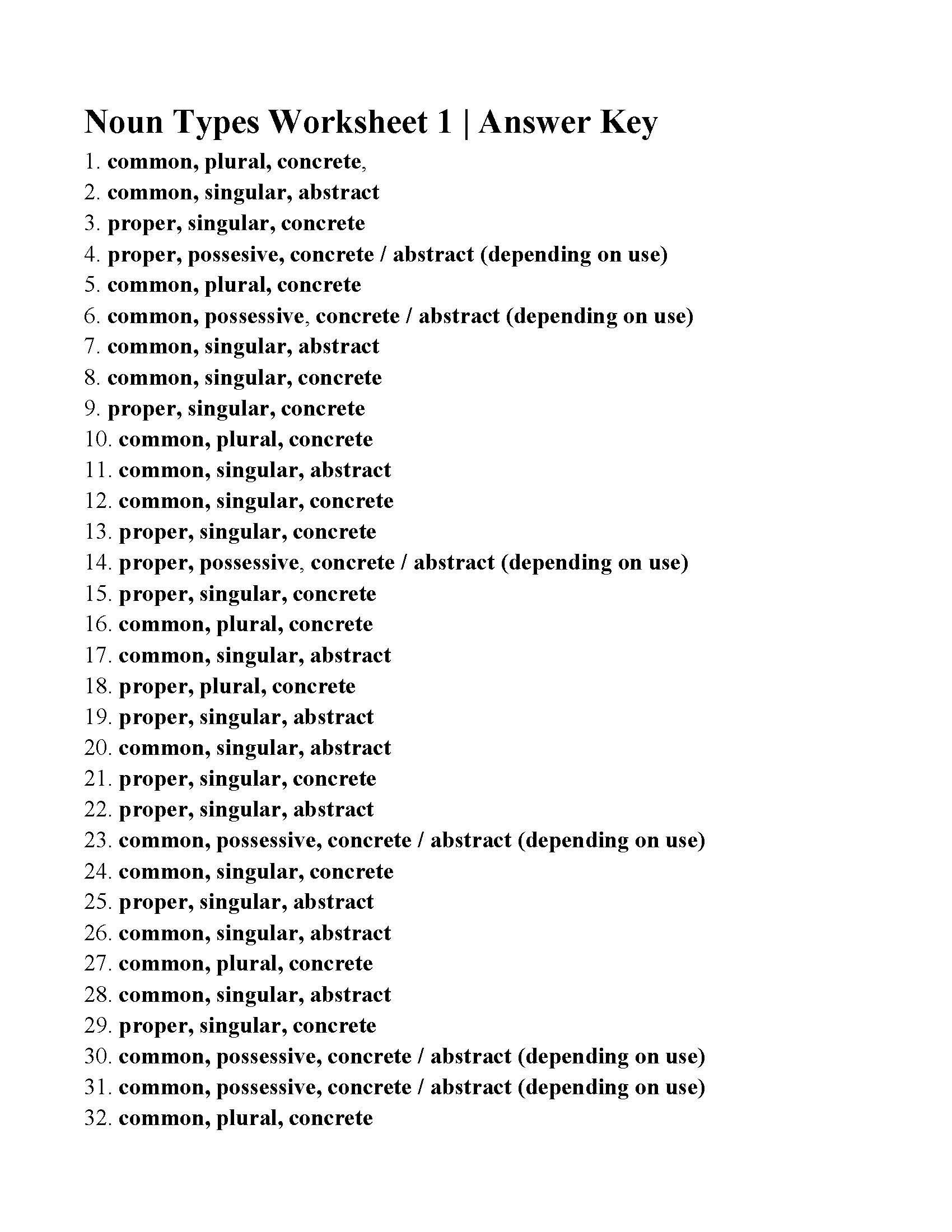
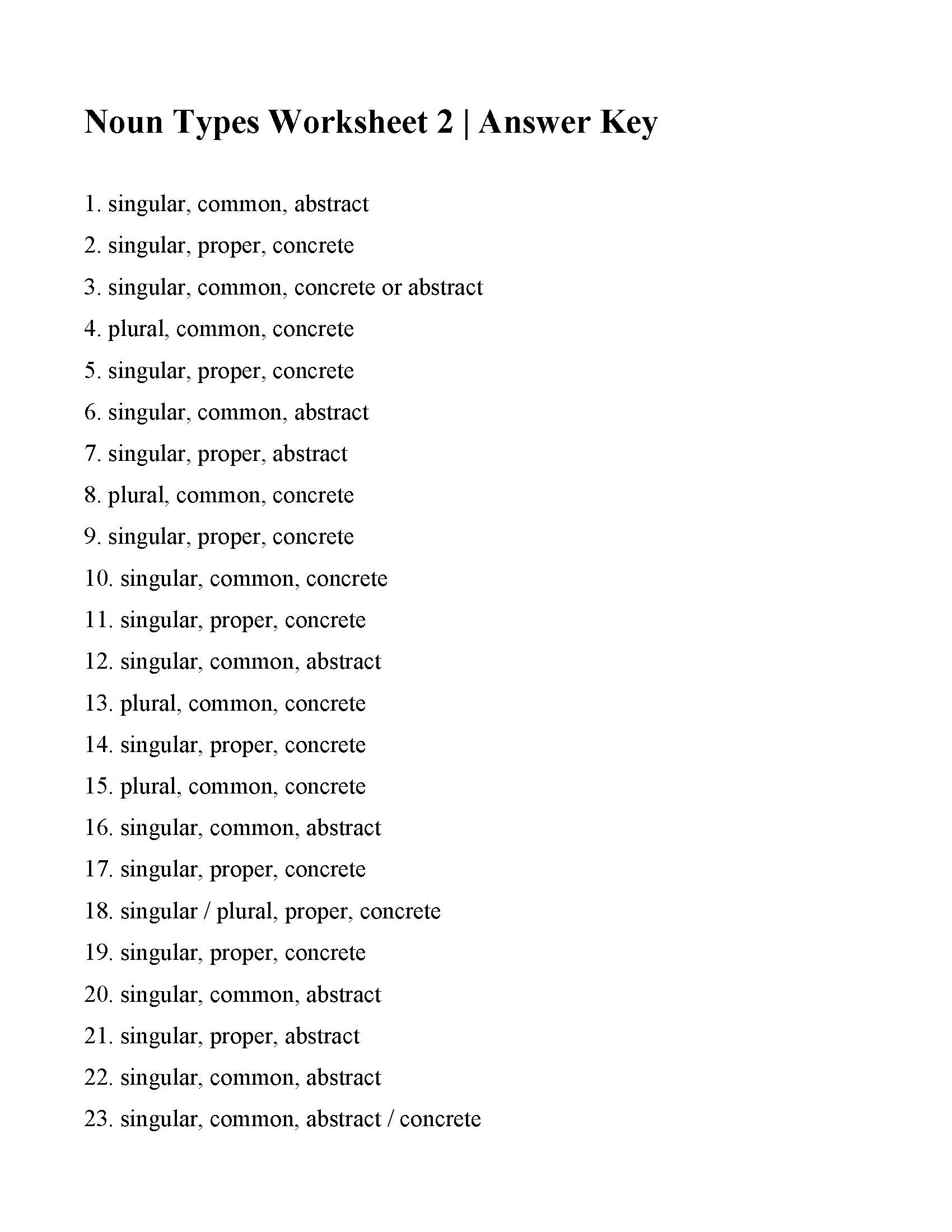
Noun practice exercises with answers provide immediate, error-correcting feedback that accelerates grammatical mastery and vocabulary acquisition across foundational and advanced stages of language development. According to cognitive linguistic research published in the Journal of Educational Psychology, immediate access to answer keys during syntactic drill exercises significantly improves long-term retention of lexical categories by reinforcing correct pattern recognition on the first attempt. Structured language resources eliminate guesswork, allowing learners to verify identities of persons, places, things, and abstract ideas efficiently.
Quick Key Takeaways:
- Core Focus: Systematic identification and classification of common, proper, concrete, abstract, and collective nouns through targeted drills paired with fully verified answer keys.
- Target User: Educators, homeschooling parents, and independent language learners seeking reliable grammar reinforcement materials.
- Key Recommendation: Utilize immediate self-correction protocols by referencing provided answer keys only after completing an entire section to ensure genuine comprehension.
What This Printable Covers
Structured grammar tools systematically bridge the gap between theoretical definitions and practical application. These materials focus heavily on distinguishing nuanced lexical categories, transitioning learners from simple recognition of tangible objects to complex identification of abstract concepts, pluralization rules, and possessive forms within contextual sentences. Alignment with recognized educational standards ensures that exercises remain rigorous, pedagogically sound, and directly applicable to standard Academic settings as well as daily communication goals.
Key Learning Outcomes
Completing these exercises enables participants to accurately categorize nouns by type, correctly apply singular and plural inflections, and recognize the specific roles that nominals play as subjects, direct objects, and indirect objects within sentence structures. Furthermore, integrated Worksheet designs encourage critical thinking by challenging learners to identify embedded nouns within complex paragraphs, thereby building foundational competency for broader language arts and Personal Growth objectives.
Overview & Skill Breakdown
| Focus Area | Target Skill | Best Practice |
|---|---|---|
| Identification | Recognizing persons, places, and things in isolation | Scan sentence structures for articles and prepositions first |
| Classification | Sorting common versus proper and abstract nouns | Color-code capitalization rules for proper noun reinforcement |
| Application | Executing correct singular and plural transformations | Review embedded answer keys to verify irregular endings instantly |
How to Use This Worksheet
Implementing these exercises effectively requires a balanced approach between independent student work and collaborative teacher-led review sessions. Educators often deploy these materials as warm-up activities to prime linguistic focus at the beginning of a lesson or as formative assessments to gauge understanding before introducing more complex parts of speech. For independent learners, these printables serve as structured self-study modules that fit seamlessly into busy daily schedules without requiring complex preparation or external grading infrastructure.
Practical Tips for Success
Preparation involves reviewing the introductory definitions printed at the top of each page to ensure foundational terminology is fresh in the mind before tackling multi-step prompts. During execution, learners should complete every item in a section independently, resisting the temptation to peek at solutions prematurely, which preserves the diagnostic value of the activity. For the extension phase, learners benefit from writing original sentences modeled after the missed items, using the comprehensive answer key to cross-check newly constructed syntax and reinforce long-term mastery.
Stage-Appropriate Recommendations
According to the Common Core State Standards framework for English Language Arts, foundational noun instruction must scale progressively from simple concrete recognition in early grades to sophisticated mastery of collective and abstract nouns in upper elementary and secondary levels. Beginner stages benefit from visual cues, matching tasks, and singular-plural sorting lists, while advanced levels require contextual identification within complex paragraphs and edited prose. Tailoring the pace to individual developmental readiness ensures sustainable engagement and prevents cognitive overload.
Immediate answer verification during grammar drills significantly improves lexical retention — Journal of Educational Psychology
Frequently Asked Questions
Explore More Free Printable Resources
Enhancing language arts proficiency requires a diverse library of supplementary tools designed to support every step of the educational journey. Discover a wide selection of no-cost materials tailored for classrooms, home offices, and study spaces by visiting the complete collection at Free Printable For You today.
Images References