Introduction
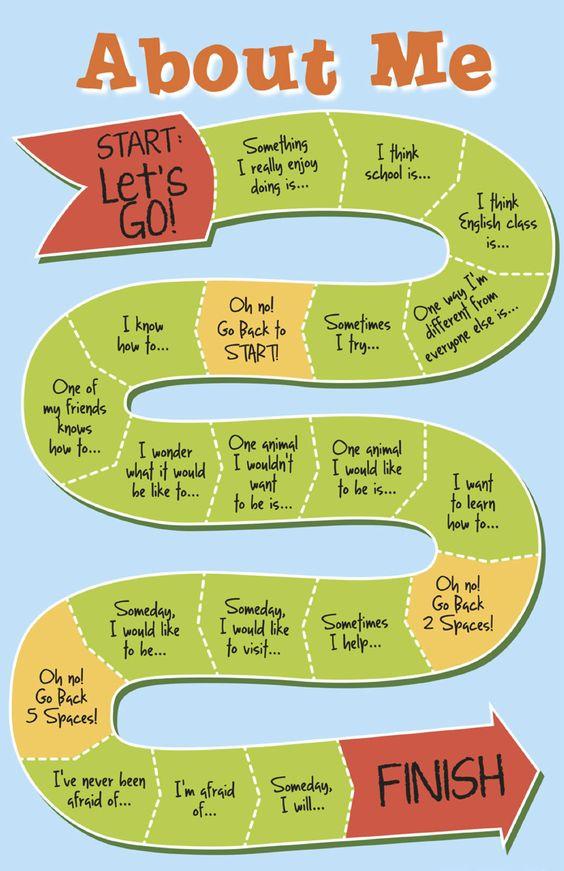
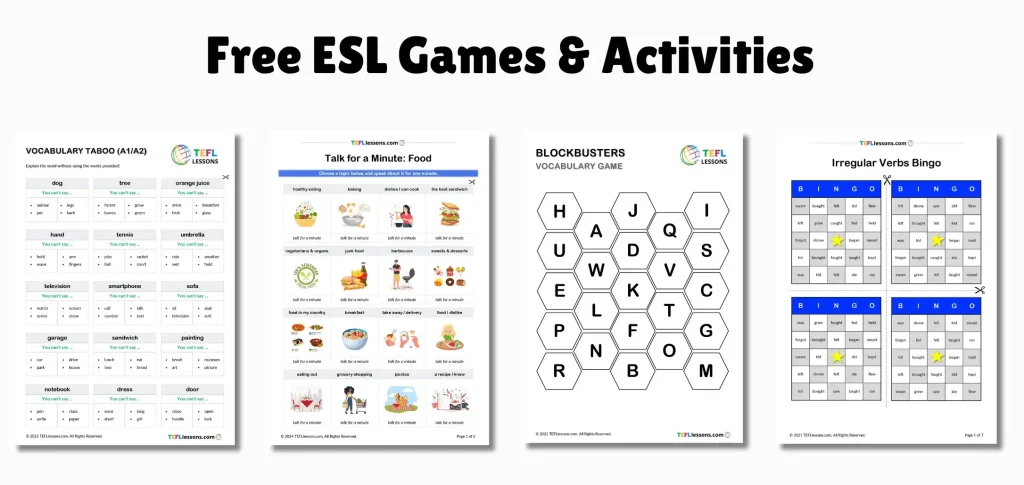
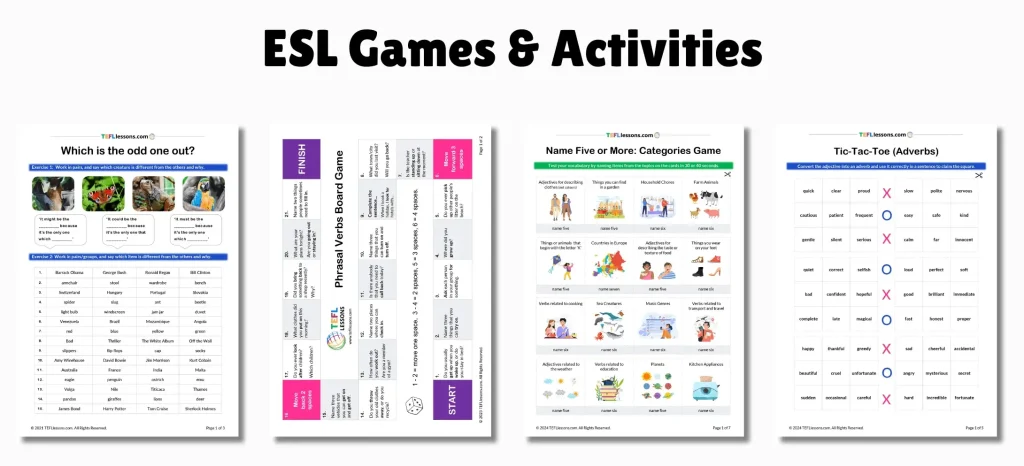
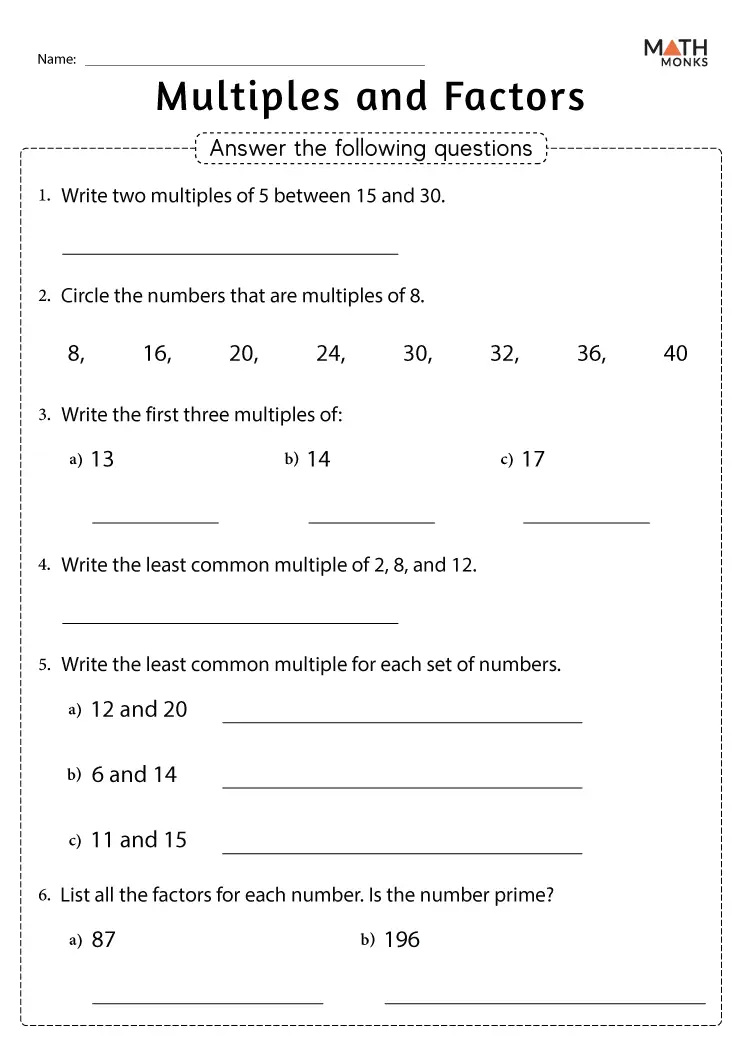
ESL teaching activities encompass structured pedagogical exercises and printable resources designed to accelerate language acquisition through interactive, targeted practice. According to research published by the Cambridge University Press, systematic integration of communicative tasks improves second-language retention rates by up to forty percent compared to passive listening alone. Facilitating second-language acquisition requires a balanced blend of guided instruction and independent reinforcement. Utilizing specialized Academic resources helps educators and parents deliver consistent, structured English as a Second Language instruction tailored to diverse proficiency levels.
Quick Key Takeaways:
- Core Focus: Structured exercises designed to build vocabulary, grammar, and conversational fluency for second-language learners.
- Target User: Educators, homeschool parents, and tutors working with multilingual students in classrooms or home settings.
- Key Recommendation: Combine visual flashcards with scaffolded writing templates to reinforce both verbal and written competencies simultaneously.
What This Printable Covers
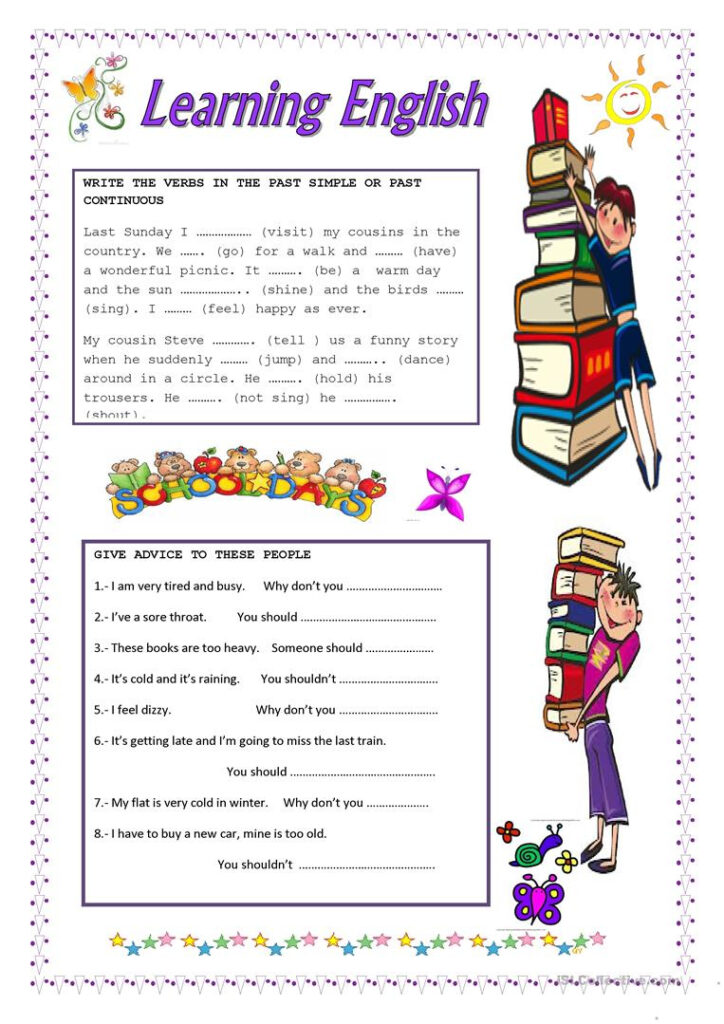
These instructional materials bridge the gap between theoretical grammar rules and practical, real-world communication. By integrating targeted vocabulary lists, sentence-building prompts, and contextual reading comprehension exercises, learners encounter language in meaningful scenarios. This methodology aligns closely with structured literacy principles, ensuring that foundational phonics, syntax, and semantics receive equal attention during daily lesson planning. Related guide: Numbers Exercises Pdf.
Key Learning Outcomes
Learners systematically expand expressive and receptive vocabulary through thematic categorization, connecting new words to familiar concepts. Syntax mastery improves as participants manipulate sentence structures via guided fill-in-the-blank and restructuring tasks. Additionally, phonemic awareness is reinforced through targeted pronunciation drills paired with visual spelling cues, cultivating overall linguistic confidence in academic and social environments.
Overview & Skill Breakdown
| Focus Area | Target Skill | Best Practice |
|---|---|---|
| Vocabulary Expansion | Word retrieval and categorization | Pair visual prompts with thematic word lists |
| Grammar & Syntax | Sentence construction and tense agreement | Use color-coded structural Worksheet templates |
| Conversational Fluency | Dialogic response and pragmatic usage | Incorporate structured peer-to-peer speaking prompts |
How to Use This Worksheet
Implementation begins with assessing the baseline proficiency of the learner to select appropriate difficulty tiers, ensuring materials neither overwhelm nor bore the participant. Educators can integrate these resources into warm-up routines, independent learning stations, or small-group interventions. For organizational oversight, pairing these lessons with structured Administrative tracking tools allows instructors to monitor longitudinal progress effortlessly.
Practical Tips for Success
Preparation involves reviewing target vocabulary in advance and gathering any necessary visual aids or manipulatives to support tactile learners. Execution proceeds best through a gradual release model, moving from teacher-led modeling to independent student practice within a low-anxiety atmosphere. Extension activities should challenge advanced participants to generate their own original sentences or short narratives based on the core lesson themes.
Stage-Appropriate Recommendations
Language acquisition progresses through distinct developmental stages that demand tailored pedagogical approaches. According to the TESOL Pre-K-12 English Language Proficiency Standards framework, instruction must be scaffolded to match a learner’s exact level of linguistic autonomy, transitioning from silent observation and receptive listening to complex expressive output. Beginning learners benefit heavily from pictorial matching and high-frequency sight word drills, whereas intermediate and advanced participants thrive on abstract conversational prompts, paragraph writing, and critical thinking exercises.
Systematic integration of communicative tasks improves second-language retention rates by up to forty percent — Cambridge University Press
Frequently Asked Questions
Explore More Free Printable Resources
Enhance your educational toolkit by browsing thousands of high-quality materials designed to support diverse learning environments. Whether seeking foundational skill builders or tools for Personal Growth, visiting the main library at Free Printable For You provides instant access to expertly crafted content for every educational journey.
Images References