Introduction
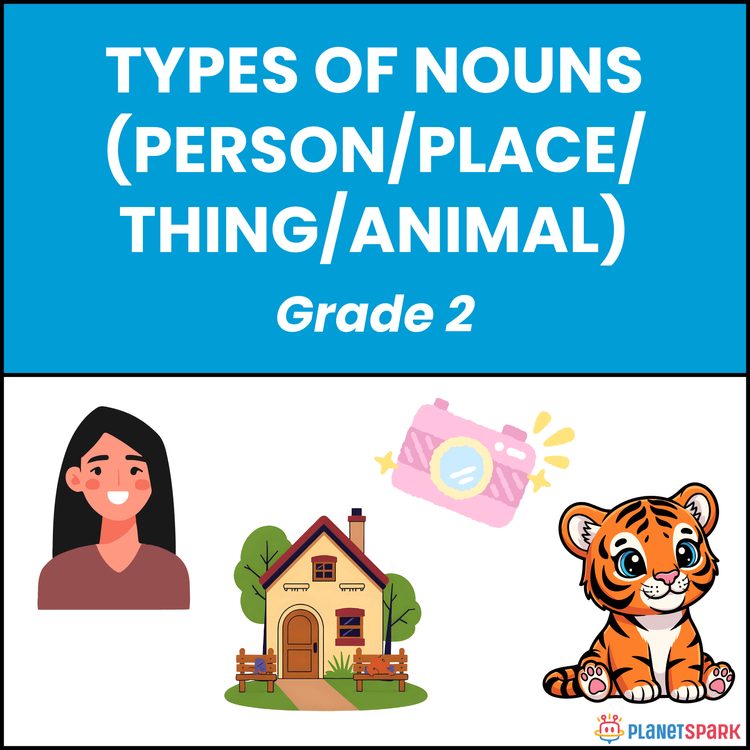
Noun for class 2 refers to the structured grammatical study of naming words—encompassing people, places, animals, and things—designed specifically for seven- and eight-year-old learners. According to a study by the National Institute of Child Health and Human Development, explicit foundational grammar instruction during early elementary years significantly accelerates reading comprehension and written expression. Integrating targeted printables into daily routines solidifies these core linguistic concepts through repeatable, hands-on practice. Structured exercises transform abstract parts of speech into tangible learning milestones, bridging the gap between basic vocabulary acquisition and formal sentence construction.
Quick Key Takeaways:
- Core Focus: Systematic identification and classification of common, proper, singular, and plural nouns.
- Target User: Second-grade educators, homeschoolers, and parents supporting early primary literacy development.
- Key Recommendation: Pair visual categorization tasks with daily sentence-writing prompts for optimal retention.
What This Printable Covers
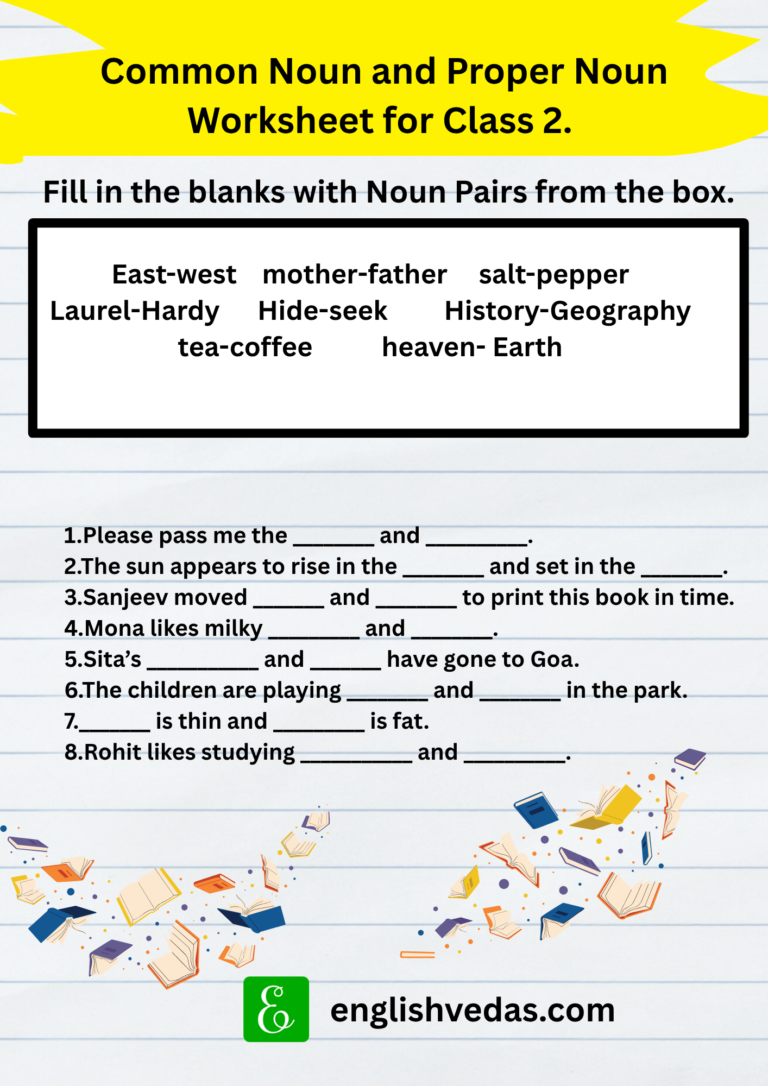
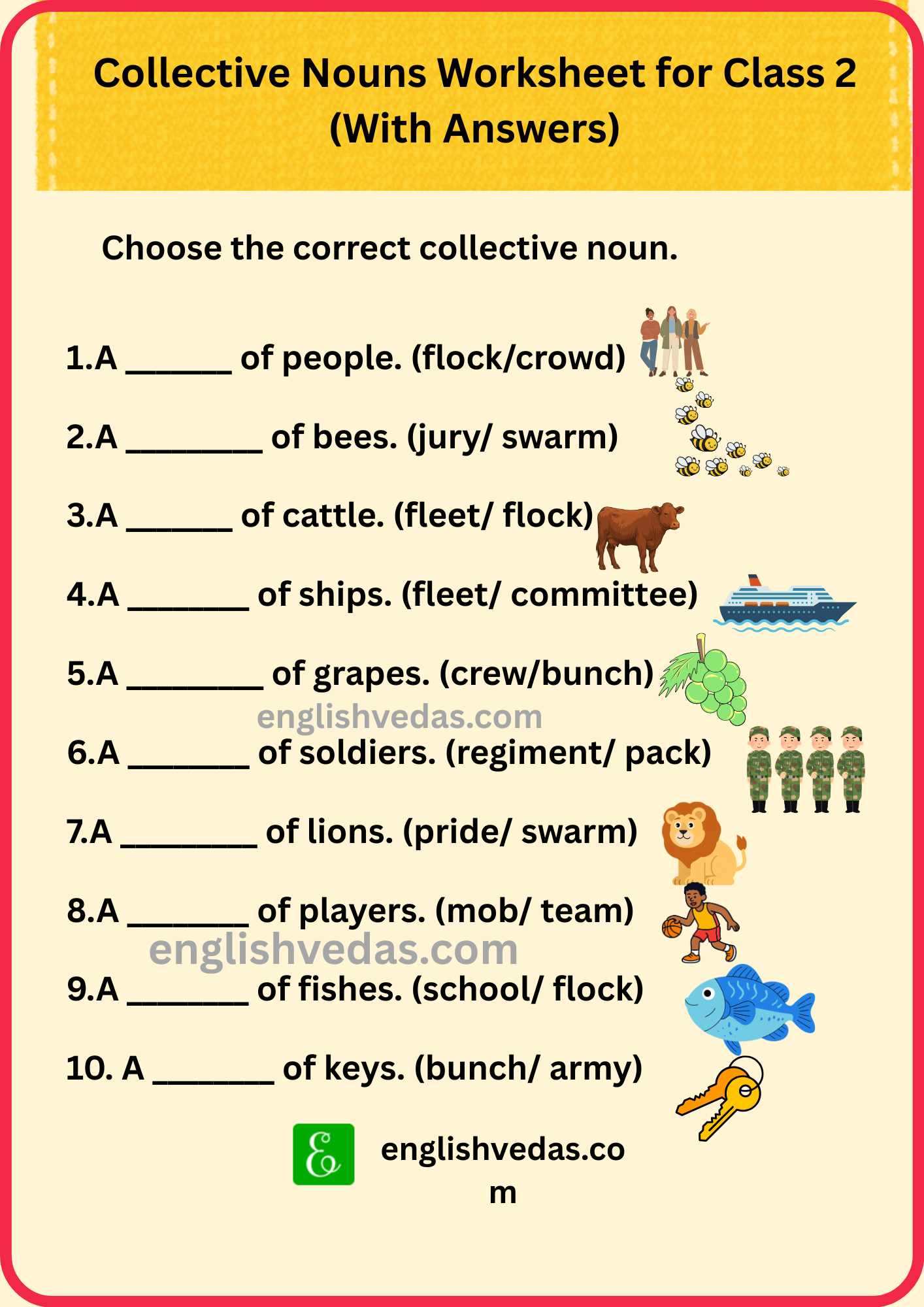
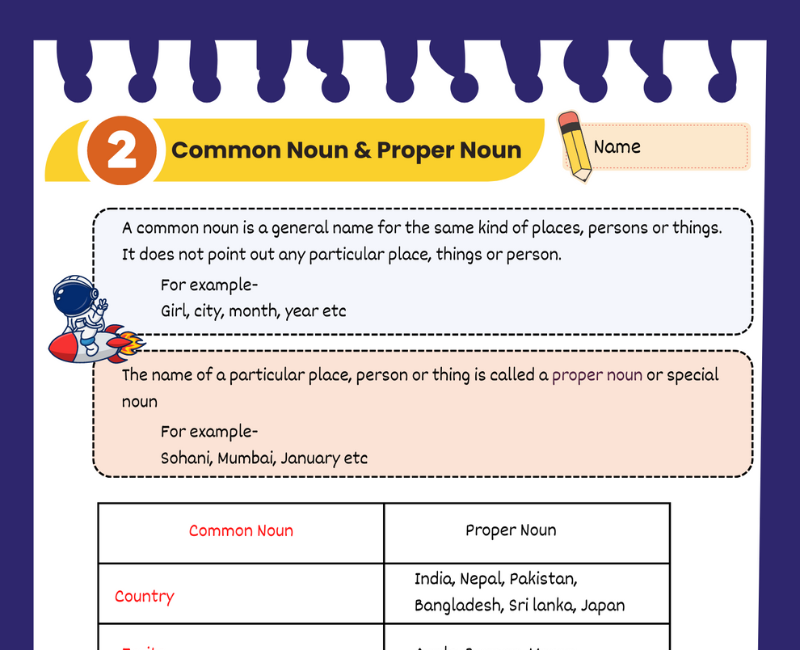
The curriculum-aligned material systematically introduces foundational parts of speech by categorizing naming words into distinct domains, ensuring learners move effortlessly from basic identification to contextual application. Within the broader realm of Academic subjects, mastering nouns acts as a vital stepping stone for syntax mastery and paragraph formulation. Children interact with exercises that require sorting tangible objects from abstract concepts, distinguishing between general titles and specific names, and modifying singular items into their correct plural forms using standard spelling rules.
Key Learning Outcomes
Students successfully completing these structured exercises will accurately identify and isolate naming words within complex sentence structures. Learners gain the ability to differentiate between common nouns and proper nouns, consistently applying capital letters to specific titles, days, and names. Additionally, children develop proficiency in converting singular nouns to plurals by applying standard suffixes like -s and -es, thereby expanding their overall foundational writing competency across various Early Learning frameworks.
Overview & Skill Breakdown
| Focus Area | Target Skill | Best Practice |
|---|---|---|
| Identification | Recognize naming words in isolation | Highlight nouns using color-coding markers |
| Classification | Sort common versus proper nouns | Use real-world sorting boxes for tactile engagement |
| Transformation | Convert singular to plural nouns | Review spelling rules prior to completing worksheet tasks |
How to Use This Worksheet
Implementation requires a balanced approach combining independent desk work with interactive group discussions to reinforce definitions. Educators and parents can integrate these exercises into morning arrival routines, literacy centers, or structured homework packets found within comprehensive Worksheet collections. Beginning with a quick oral brainstorming session primes the mind for the written tasks, allowing children to generate their own examples before putting pencil to paper.
Practical Tips for Success
Preparation involves reviewing foundational vocabulary lists to ensure learners understand the basic definition of a person, place, animal, or thing before tackling the printed material. During execution, encourage students to read sentences aloud to hear how nouns anchor the meaning of a phrase, which aids in self-correction. For extension, challenge advanced learners to take the identified nouns from the sheet and weave them into a short, creative story, thereby reinforcing skills transferable to Personal Growth and independent expression.
Stage-Appropriate Recommendations
According to the Common Core State Standards for English Language Arts (CCSS.ELA-LITERACY.L.2.1.B), second-grade students must demonstrate command of regular and irregular plural nouns as well as collective nouns in context. Beginner learners benefit from visual word banks and picture-matching activities that reduce cognitive load, while advanced students thrive on open-ended sentence generation and proofreading paragraphs for missing capitalization. Scaffolding the difficulty ensures every child experiences incremental success without frustration.
CCSS.ELA-LITERACY.L.2.1.B Mandate — Common Core State Standards for English Language Arts
Frequently Asked Questions
Explore More Free Printable Resources
Discover a vast collection of teacher-approved templates, educational exercises, and organizational tools designed to support every stage of the learning journey. Visit the complete library today at Free Printable For You to access endless materials for your classroom or home.
Images References