Introduction
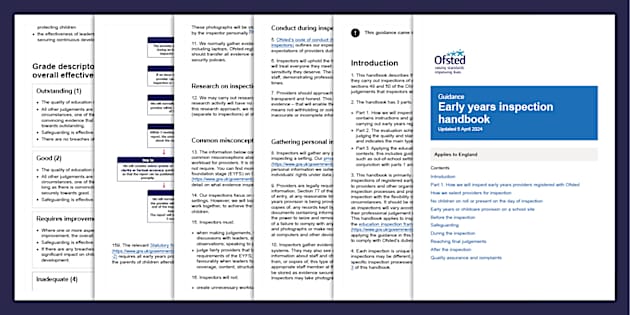
The ofsted handbook 2021 serves as a definitive benchmark for evaluating educational quality, leadership efficacy, and curriculum execution across institutions. According to the Education Endowment Foundation, structured evaluation frameworks significantly improve student outcomes by aligning instructional goals with rigorous assessment standards. Navigating these regulatory standards requires meticulous record-keeping and clear procedural oversight. Integrating the ofsted handbook 2021 principles into daily planning helps educators and school leaders maintain compliance while fostering continuous institutional enhancement and high academic standards.
Quick Key Takeaways:
- Core Focus: The ofsted handbook 2021 outlines key inspection criteria, quality of education metrics, and leadership evaluation standards.
- Target User: School leaders, educational administrators, and compliance officers preparing for formal institutional inspections.
- Key Recommendation: Align internal audits directly with published quality-of-education indicators to ensure comprehensive regulatory readiness.
What This Printable Covers
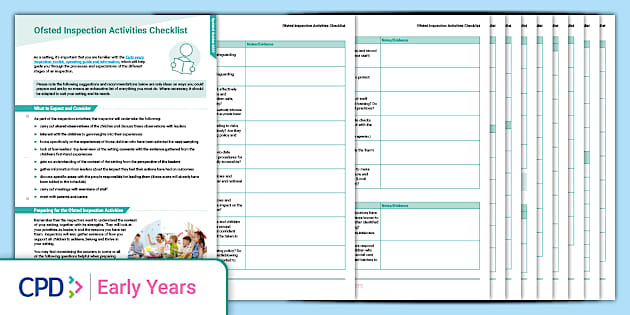
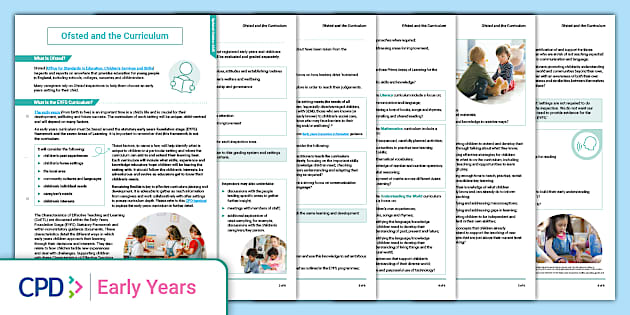
This structured resource translates complex inspection criteria into actionable documentation tools, bridging regulatory requirements with daily Administrative tasks. It offers systematic templates for tracking curriculum intent, implementation, and impact, ensuring that leadership teams capture measurable evidence of progress. By addressing specific criteria outlined in the ofsted handbook 2021, the material guides stakeholders through self-evaluation, provision mapping, and stakeholder interviews, reducing inspection-related stress while promoting transparent operational practices.
Key Learning Outcomes
Users develop a comprehensive understanding of deep-dive methodologies, enabling them to articulate curriculum sequencing with precision. The framework strengthens internal monitoring systems by providing clear metrics for evaluating teaching quality and safeguarding protocols. Additionally, participants learn to synthesize quantitative data and qualitative observations into cohesive reports, which supports targeted professional development and institutional growth. Finally, the documentation ensures that inclusion and SEND provisions meet national expectations. Related guide: Factors And Multiples Class 5.
Overview & Skill Breakdown
| Focus Area | Target Skill | Best Practice |
|---|---|---|
| Curriculum Intent | Sequencing & Knowledge Mapping | Align subject scopes with cumulative skill acquisition. |
| Teaching Quality | Formative Assessment | Use targeted questioning to check understanding. |
| Leadership Impact | Self-Evaluation Auditing | Cross-reference evidence directly with national criteria. |
How to Use This Worksheet
Implementing these tools effectively involves scheduling regular audit sessions where leadership teams review documentation alongside classroom practices. Practitioners can utilize the structured forms during peer observations to gather constructive, evidence-based feedback. This approach encourages collaborative reflection, helping staff identify strengths and areas for refinement well ahead of formal visits, ensuring that the principles of the ofsted handbook 2021 are embedded into everyday school culture.
Practical Tips for Success
Begin preparation by gathering existing curriculum maps and policy documents to establish a clear baseline of current practices. During execution, encourage open dialogue among department heads to ensure consistency across various subjects and key stages. For extension, adapt the templates to monitor specific intervention programs, tracking the long-term impact of targeted support on student progress and overall institutional performance.
Stage-Appropriate Recommendations
For emerging institutions or beginner administrative teams, the focus should rest on foundational compliance, basic timetable sequencing, and establishing clear safeguarding logs aligned with Department for Education guidelines. Advanced educational settings can leverage the framework for sophisticated deep-dive simulations, multi-layered data triangulation, and cross-departmental curriculum alignment. According to the ISO 21001 educational organizations management standards, systematic review processes ensure sustained quality and stakeholder satisfaction across all operational levels.
Systematic review processes ensure sustained quality and stakeholder satisfaction across all operational levels. — ISO 21001 Educational Organizations Management Standards
Frequently Asked Questions
Explore More Free Printable Resources
Enhance institutional organization and professional readiness by browsing the complete selection of evaluation tools available at Free Printable For You. Explore additional categories such as Academic planning sheets, Early Learning guides, and Personal Growth trackers to support continuous development across every educational environment. Print today.
Images References