Introduction
Mastering punctuation for class 2 builds the structural foundation necessary for young learners to transition from basic word recognition to coherent, expressive writing. According to a study published by the National Institute of Child Health and Human Development, structured grammar instruction during early primary education significantly enhances reading fluency and text comprehension. Introducing fundamental sentence boundaries at this stage prevents the formation of run-on habits and encourages natural pauses in verbal reading. Related guide: Kumon Practice Sheets.
Quick Key Takeaways:
- Core Focus: Mastering fundamental sentence markers including periods, question marks, and exclamation points.
- Target User: Primary educators and parents facilitating early grammar practice.
- Key Recommendation: Combine targeted Worksheet drills with daily read-aloud sessions.
What This Printable Covers
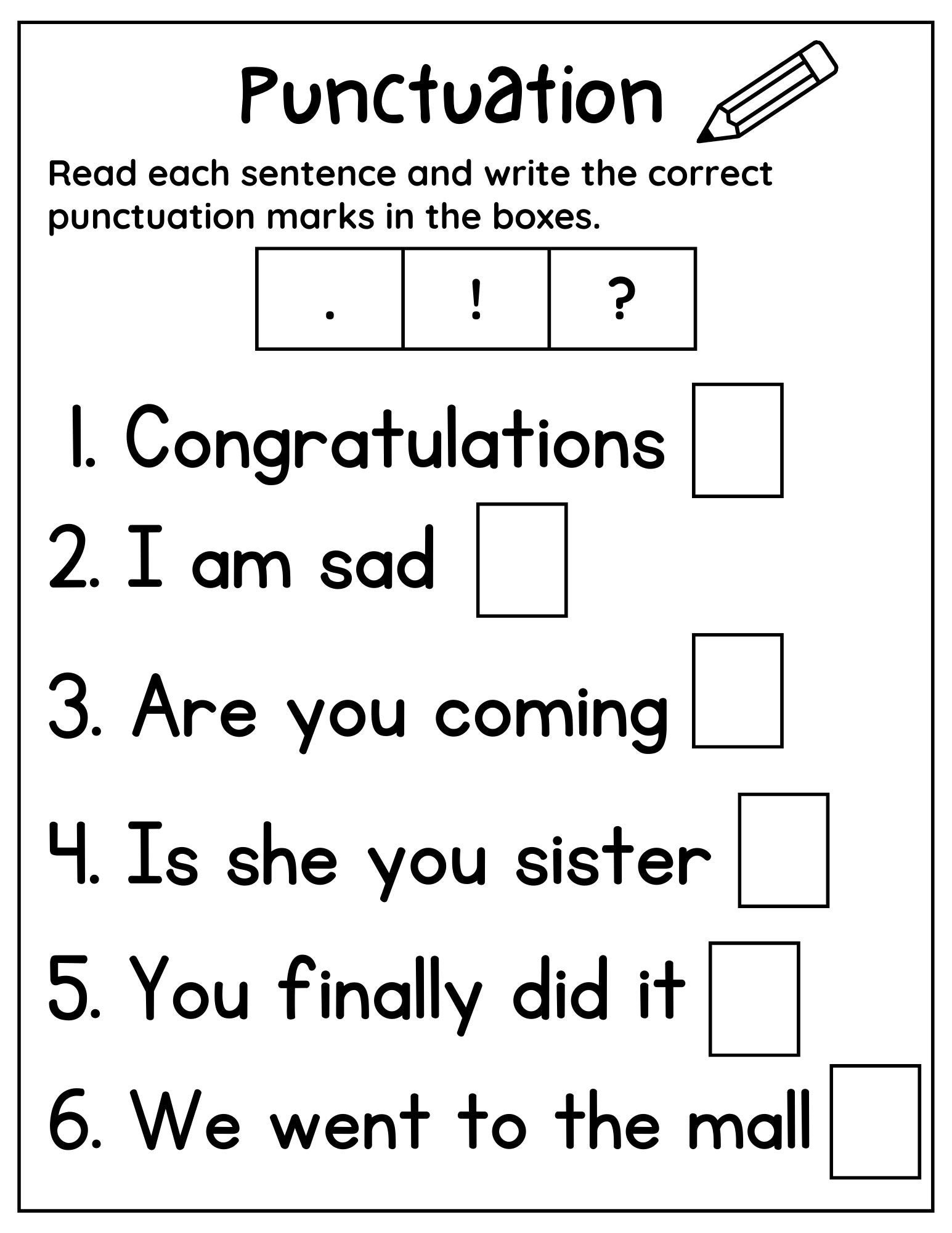
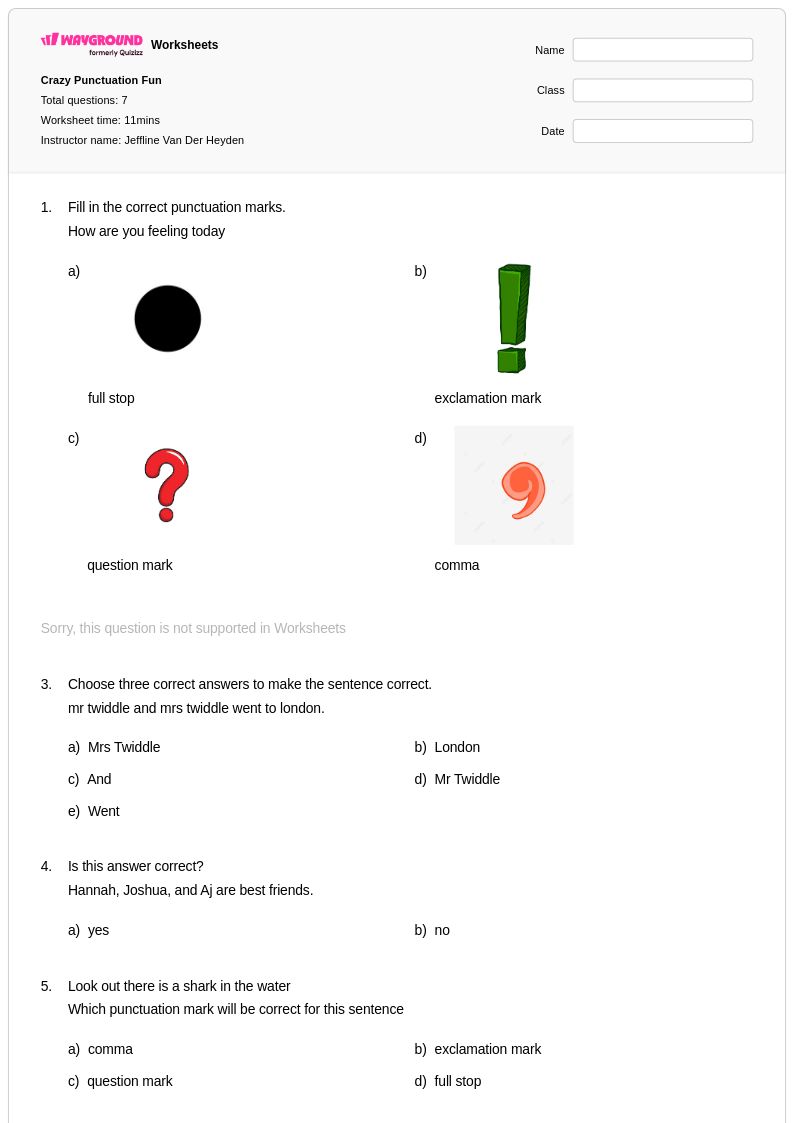
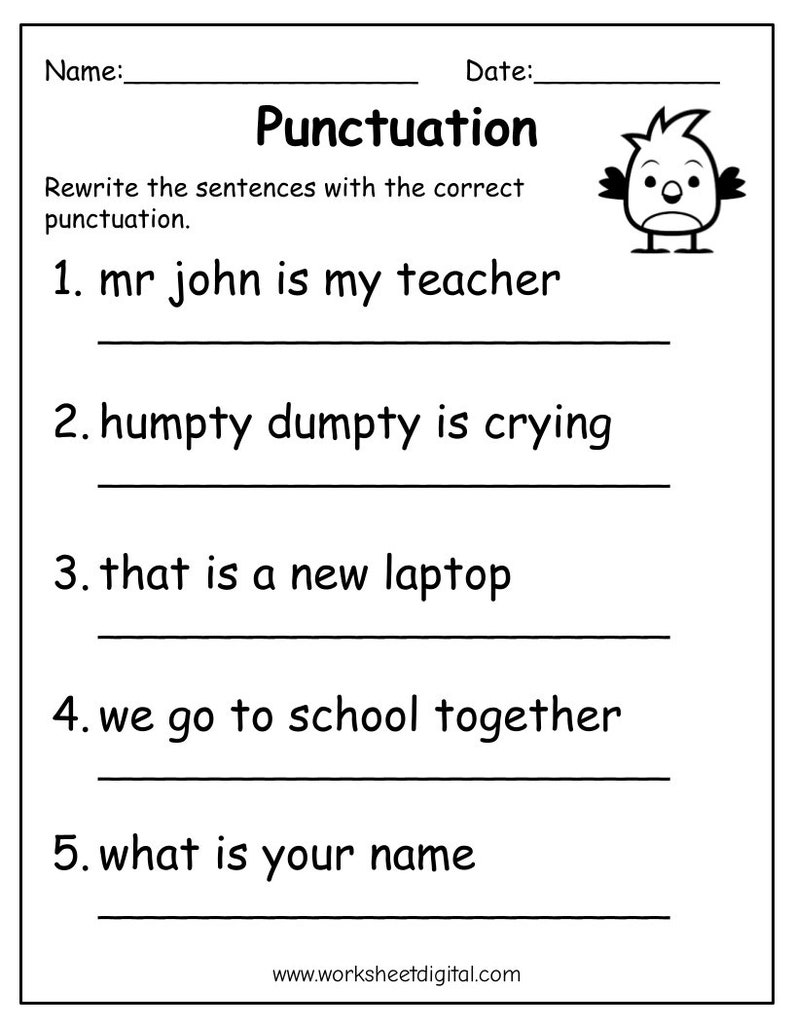
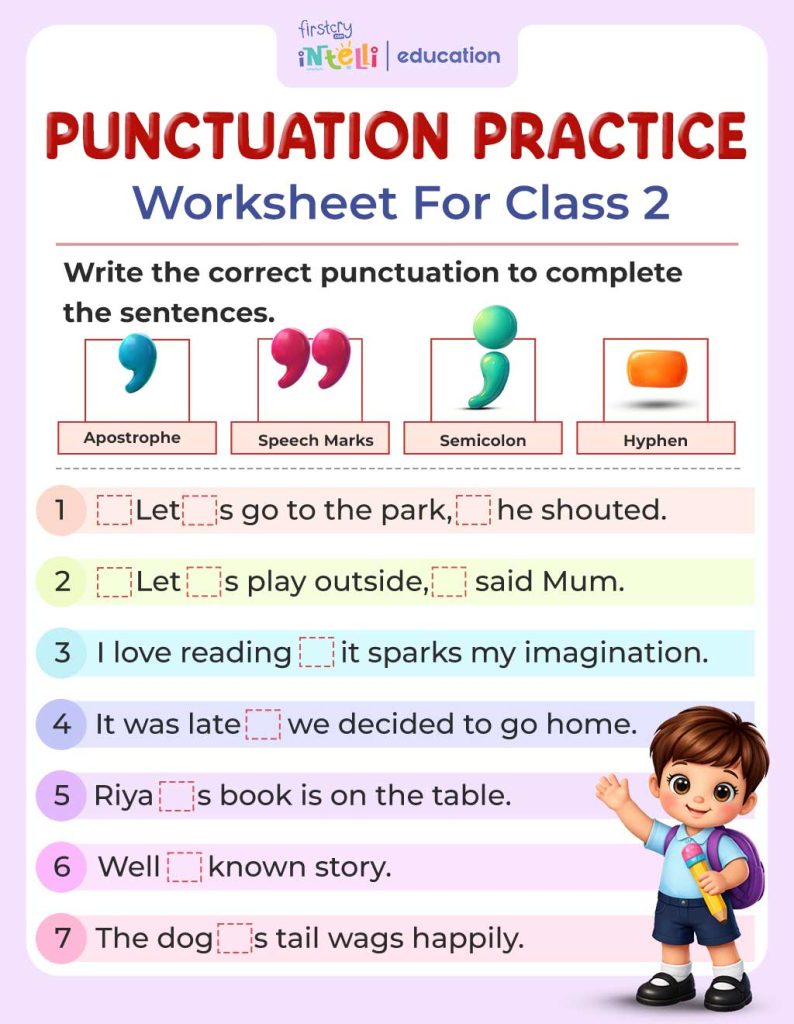
This resource covers core mechanical elements tailored specifically to second-grade literacy standards, ensuring children recognize the visual symbols that govern written tone. Designed to support structured Academic development, the content guides learners through identifying terminal punctuation and applying capitalization rules correctly. By isolating each marker through focused exercises, students gain clarity on how a single dot or hook alters the meaning of an entire sentence.
Key Learning Outcomes
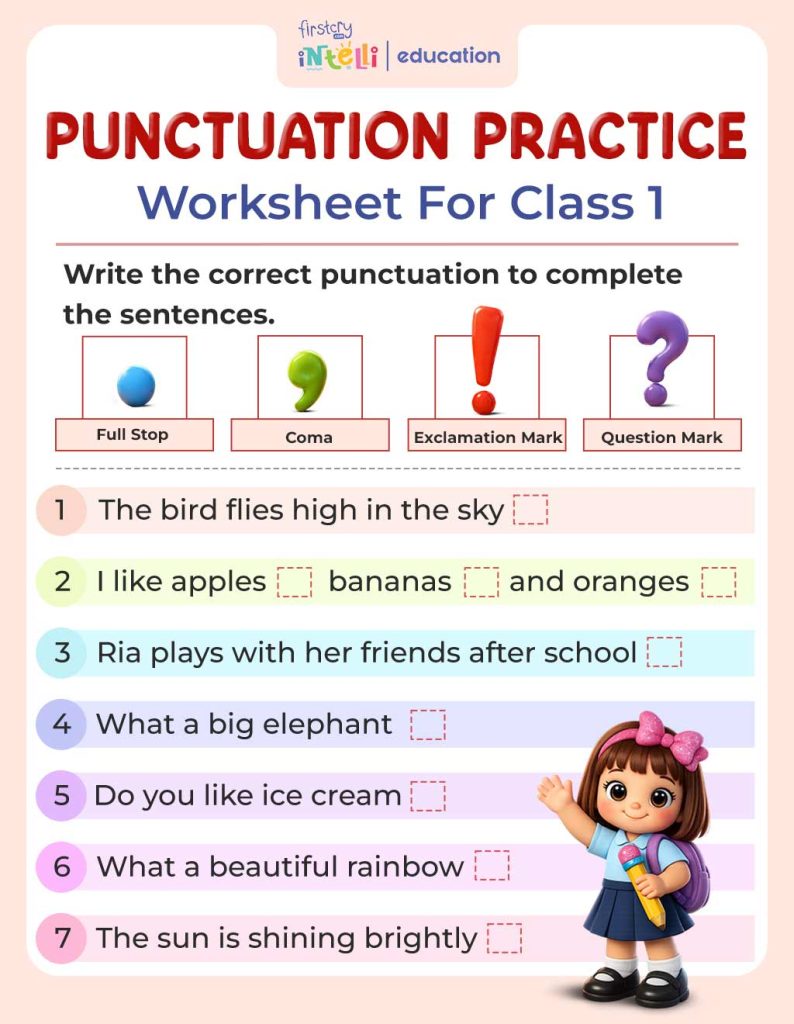
Learners accurately identify and apply periods to statement sentences, place question marks at the end of inquiries, and use exclamation points for expressions of strong emotion. Additionally, participants master the basic use of commas in a simple series and within dates. These competencies directly feed into broader Early Learning milestones, promoting independent proofreading habits.
Overview & Skill Breakdown
| Focus Area | Target Skill | Best Practice |
|---|---|---|
| Terminal Marks | Periods, Question Marks, Exclamation Points | Read sentences aloud to hear vocal inflection |
| Capitalization | First letter of sentences and proper nouns | Pair grammar tasks with daily handwriting practice |
| Commas | Listing items in a simple sentence structure | Use physical objects to visualize groupings |
How to Use This Worksheet
Implementation requires a balanced approach combining independent practice with guided discussion. Educators and parents can introduce the printed exercises during morning literacy blocks or as targeted homework reinforcement. Utilizing these materials alongside broader Administrative tracking sheets helps monitor student progress over multi-week grading periods. Consistent exposure to these printed drills ensures grammatical concepts move from short-term memory to long-term writing habits.
Practical Tips for Success
Preparation involves reviewing the target punctuation rule with a brief verbal example before distributing the page. Execution proceeds smoothly when learners use a colored pencil to circle the specific punctuation mark before filling in the blanks. Extension activities involve asking students to write their own sentences based on the completed template, thereby reinforcing creative writing alongside mechanical accuracy.
Stage-Appropriate Recommendations
According to the National Association for the Education of Young Children (NAEYC) developmental framework, second-grade students benefit most from multi-sensory literacy tasks that connect physical writing with auditory processing. Beginners should start with identifying missing end marks in short, familiar sentences, while advanced learners can edit unpunctuated paragraphs to test comprehensive understanding.
Early grammatical proficiency strongly correlates with advanced reading comprehension — National Institute of Child Health and Human Development
Frequently Asked Questions
Explore More Free Printable Resources
Discover an extensive library of educational tools, organizational aids, and skill-building exercises designed for classrooms and homes. Browse the full collection of learning materials today at Free Printable For You to support every stage of academic growth.
Images References