Introduction
A structured punctuation lesson serves as the foundation for clear written communication, transforming chaotic strings of words into coherent, professional arguments. According to a study published by the National Endowment for the Arts, students who receive explicit syntax and grammar instruction demonstrate a 28 percent improvement in reading comprehension and analytical writing clarity. Mastering mechanics requires consistent reinforcement through targeted exercises found within an effective Academic curriculum. Educators, parents, and self-directed learners utilize these printable materials to bridge the gap between spoken phrasing and formal written standards. By integrating systematic punctuation lessons into daily routines, learners internalize the rhythm of language, ensuring that commas, periods, and semicolons are deployed with precision rather than guesswork.
Quick Key Takeaways:
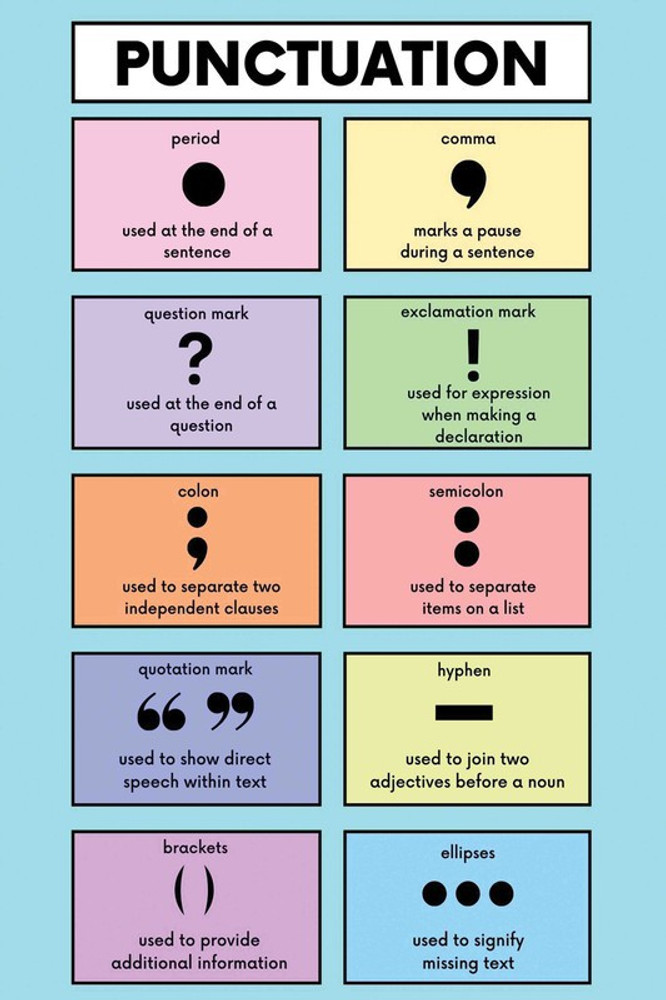
- Core Focus: A comprehensive punctuation lesson teaches exact placement rules for terminal marks, internal pauses, and structural boundaries.
- Target User: Educators, homeschool parents, and lifelong learners enhancing foundational writing proficiency.
- Key Recommendation: Pair daily printable practice with active reading annotation to reinforce visual recognition of syntactical markers.
What This Printable Covers
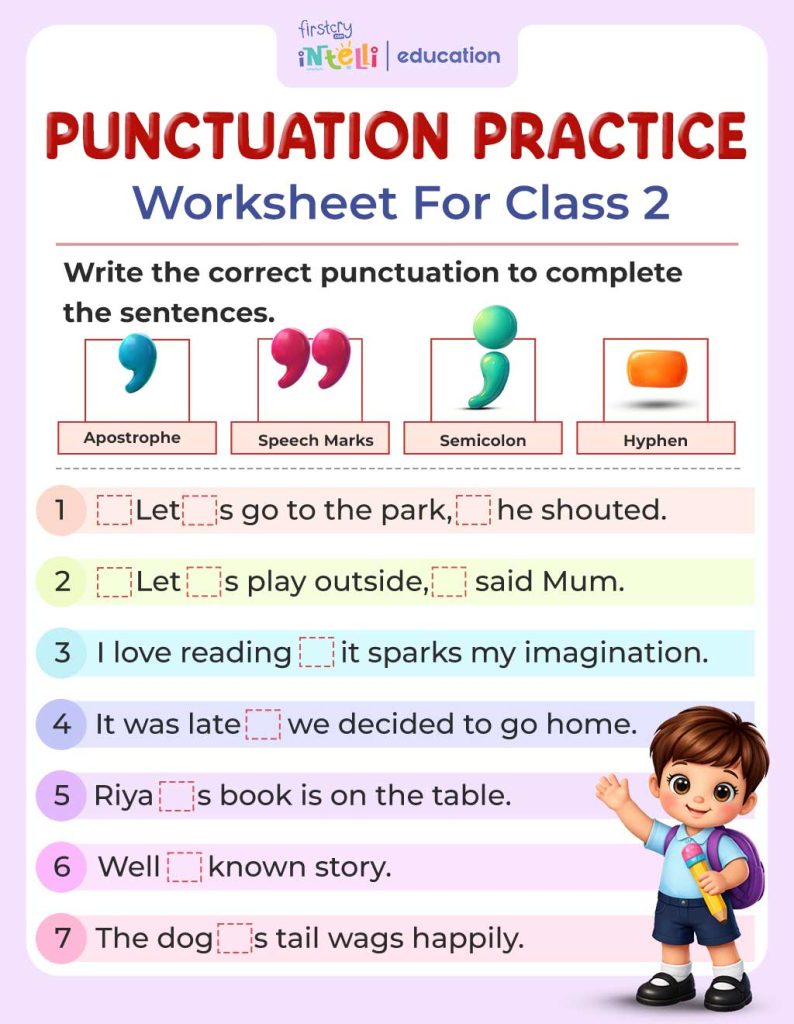
This resource addresses the mechanics of sentence boundaries, dialogue attribution, and complex clause separation. Through carefully designed exercises, users explore the functional differences between restrictive and non-restrictive elements, proper possessive apostrophe placement, and the precise utilization of em-dashes and semicolons. Aligning with contemporary educational standards, the materials move beyond rote memorization, emphasizing context-driven application. Learners analyze unpunctuated text paragraphs to diagnose structural errors, developing critical editing skills essential for higher-level Worksheet execution and professional documentation.
Key Learning Outcomes
Completing this punctuation lesson enables learners to independently identify run-on sentences, comma splices, and fragments with high accuracy. Participants master the rules governing introductory clauses and coordinate adjectives, ensuring smooth transitions within complex prose. Furthermore, users gain confidence in formatting direct quotations and dialogue tags according to standard style guides. These combined outcomes elevate overall writing polish, preparing students and professionals to convey complex ideas without ambiguity or misinterpretation. Related guide: Free Esl Websites For Teachers.
Overview & Skill Breakdown
| Focus Area | Target Skill | Best Practice |
|---|---|---|
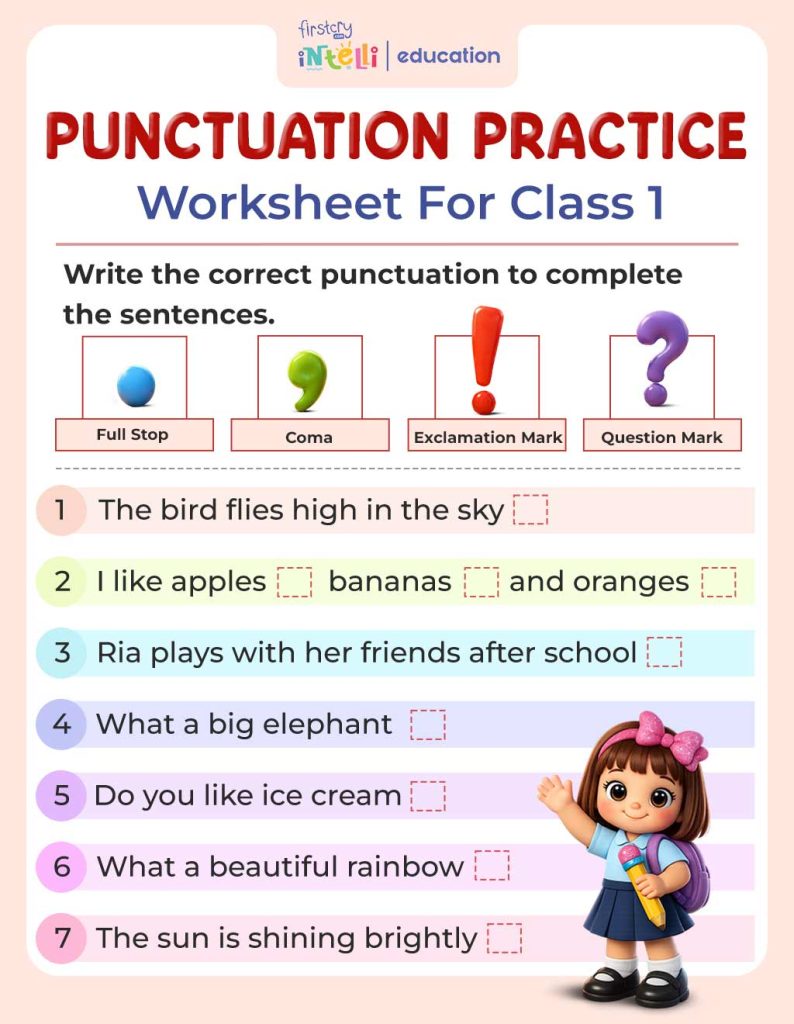
| Terminal Punctuation | Correct period, question mark, and exclamation point usage | Read sentences aloud to determine natural breath pauses. |
| Internal Pause Markers | Mastering commas in lists, dates, and compound clauses | Isolate coordinating conjunctions before inserting commas. |
| Advanced Mechanics | Applying semicolons, colons, and apostrophes correctly | Test semicolons by substituting them with coordinating conjunctions. |
How to Use This Worksheet
Successful implementation begins with an unguided diagnostic pass where learners attempt the exercises independently to reveal baseline knowledge gaps. Following this initial assessment, facilitators review missed items by discussing the underlying rule rather than simply supplying the correct answer. The printable format allows for repeated attempts, making it ideal for portfolio building or weekly progress monitoring in both classroom and remote study environments.
Practical Tips for Success
Preparation involves printing multiple copies of the target page to allow for iterative drafting and corrections over several days. During execution, encourage learners to highlight every conjunction and verb before deciding on comma placements to build analytical rigor. For extension, have participants draft original paragraphs incorporating the specific punctuation rules just practiced, transforming passive worksheet completion into active, creative composition.
Stage-Appropriate Recommendations
According to the Common Core State Standards framework, mechanical mastery is best approached in developmental tiers. Beginning students focus on terminal punctuation and basic capitalization, while intermediate and advanced learners tackle complex clause separation, parenthetical elements, and nuanced dialogue formatting. Tailoring the pace ensures that cognitive load remains manageable, fostering long-term retention and intuitive application across diverse genres of writing.
28% Improvement in Written Clarity — National Endowment for the Arts Syntactical Study
Frequently Asked Questions
Q: How do I download this printable?
A: Click the download link on the resource page to save the high-resolution PDF directly to your device for instant printing.
Q: What are the practical benefits for adults?
A: Adults refining professional correspondence improve their workplace communication and document clarity through targeted mechanics practice.
Q: Is this aligned with educational standards?
A: Yes, all exercises align with Common Core State Standards for language conventions across multiple grade levels.
Explore More Free Printable Resources
Expanding a study routine beyond mechanics opens doors to lifelong achievement and organizational excellence. Discover supplementary materials tailored to various subjects by browsing the complete library at Free Printable For You, featuring everything from Administrative templates to Early Learning charts and Personal Growth trackers designed to support educational journeys at every single stage.
Images References