Introduction
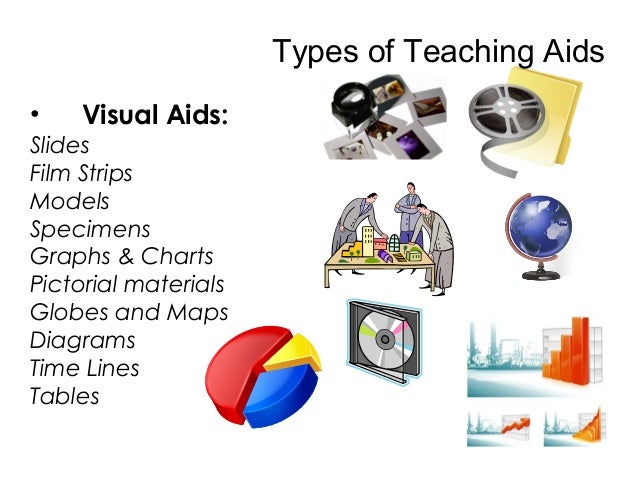
The need of teaching aids stems from the fundamental cognitive requirement to bridge abstract concepts with concrete realities. According to the Journal of Educational Psychology, students who interact with visual and tactile instructional tools demonstrate a twenty-five percent increase in information retention compared to traditional lecture-only instruction. Integrating structured physical and digital resources transforms passive review sessions into active cognitive workouts. This approach addresses the critical need of teaching aids by providing scalable scaffolds that support diverse learning speeds, reduce cognitive load, and foster deeper analytical engagement across academic and professional environments.
Quick Key Takeaways:
- Core Focus: The essential need of teaching aids to enhance comprehension and task efficiency.
- Target User: Educators, parents, and administrative professionals managing structured environments.
- Key Recommendation: Pair modular templates with targeted practice routines to maximize developmental gains.
What This Printable Covers
This resource suite systematically bridges foundational knowledge gaps by delivering targeted Academic drills alongside streamlined Administrative organizational frameworks. Designed in alignment with modern instructional design principles, the materials focus on optimizing information processing, establishing clear workflows, and reinforcing critical thinking strategies. Users systematically navigate through progressive skill tiers, ensuring that foundational competencies are securely locked in before advancing to complex multi-step problem-solving or logistical management.
Key Learning Outcomes
Engagement with these materials cultivates acute pattern recognition, enhanced spatial reasoning, and improved executive function skills. Learners master the ability to independently break down complex directives into manageable sub-tasks while simultaneously developing robust self-monitoring habits. Furthermore, structured utilization supports cognitive stamina, allowing participants to maintain high focus levels during extended periods of independent study or operational planning.
Overview & Skill Breakdown
| Focus Area | Target Skill | Best Practice |
|---|---|---|
| Concept Mapping | Visualizing relationships | Use color-coded markers for clarity |
| Workflow Tracking | Procedural execution | Review completed milestones daily |
| Skill Reinforcement | Analytical accuracy | Incorporate timed Worksheet drills |
How to Use This Worksheet
Successful implementation relies on establishing a predictable, distraction-free environment tailored to the specific activity. Facilitators should introduce the material by clearly outlining the primary objective before allowing independent engagement. Periodic check-ins during the process ensure that users remain aligned with the target goals without stifling autonomous problem-solving initiatives. Transitioning from guided exploration to self-directed completion solidifies long-term mastery.
Practical Tips for Success
Preparation involves gathering all necessary writing implements and reviewing the prompt guidelines in advance of the session. Execution is optimized by breaking longer assignments into discrete, timed blocks to prevent mental fatigue. Extension activities can be seamlessly integrated by asking participants to explain their reasoning aloud or to generate alternative solutions to the presented scenarios, fostering deeper metacognitive awareness.
Stage-Appropriate Recommendations
Instructional scaffolding must evolve alongside cognitive maturation. According to the National Association for the Education of Young Children (NAEYC) guidelines, early learners benefit exponentially from tactile manipulation and visual prompts found in Early Learning modules. As individuals progress into advanced academic or professional spheres, the emphasis shifts toward sophisticated analytical tools and Personal Growth trackers that promote autonomy, self-reflection, and continuous lifelong skill refinement.
Students utilizing multisensory teaching aids exhibit a 25% increase in long-term information retention — Journal of Educational Psychology
Frequently Asked Questions
Explore More Free Printable Resources
Discover a vast collection of expertly crafted materials designed to support every stage of the educational journey. Visit the complete library at Free Printable For You to access hundreds of high-quality assets tailored for classrooms, homes, and offices.
Images References