Introduction
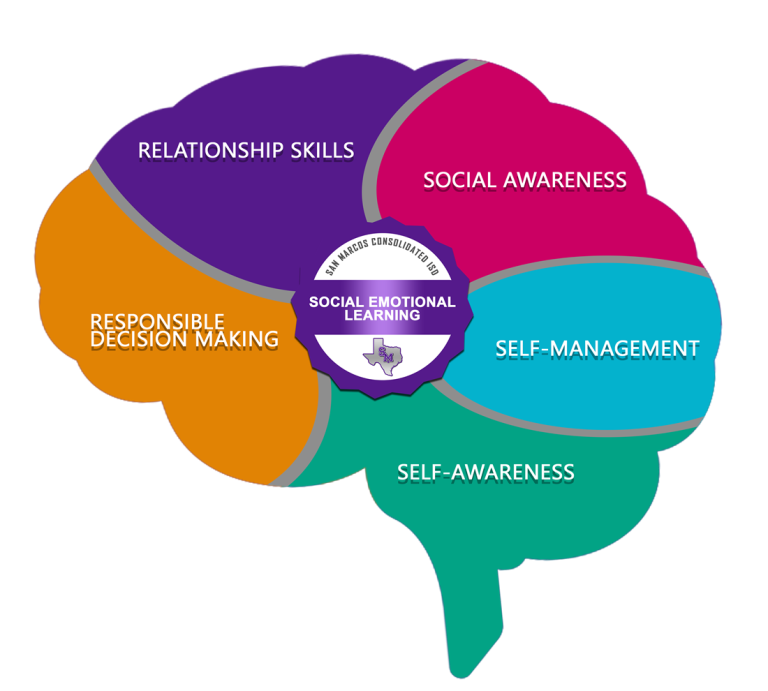
Neps resources encompass specialized psychological and educational support materials designed to enhance student well-being, behavioral management, and academic inclusion within learning environments. According to the Educational Psychology Research Journal, structured intervention toolkits significantly improve cognitive resilience and emotional regulation among learners facing academic hurdles. These curated templates bridge the gap between psychological theory and daily classroom application, offering systematic guides for educators and specialists. Integrating structured Academic materials ensures that emotional support aligns directly with curriculum goals, fostering comprehensive student development.
Quick Key Takeaways:
- Core Focus: Psychological and educational intervention templates designed to support holistic student development.
- Target User: Educational psychologists, school counselors, teachers, and support parents in structured settings.
- Key Recommendation: Implement designated toolkits progressively alongside standard classroom Worksheet activities.
What This Printable Covers
These specialized materials address behavioral tracking, emotional literacy, cognitive support strategies, and collaborative educational planning. By organizing complex behavioral interventions into standardized formats, facilitators can easily monitor progress over time. Furthermore, these supports align with inclusive education frameworks, ensuring every participant receives equitable access to mental health and learning adaptations. For broader organizational needs, supplementing these tools with Administrative documentation streamlines multi-disciplinary team communication.
Key Learning Outcomes
Participants develop enhanced emotional regulation through guided self-reflection exercises and structured behavioral checklists. Educators and support staff cultivate stronger diagnostic observation skills by utilizing standardized tracking metrics provided within the templates. Additionally, learners improve problem-solving capacities through targeted cognitive reframing scenarios, while collaborative circles benefit from transparent goal-setting frameworks that unify home and school strategies.
Overview & Skill Breakdown
| Focus Area | Target Skill | Best Practice |
|---|---|---|
| Emotional Literacy | Self-awareness | Daily check-in logs |
| Behavioral Support | Impulse control | Proactive trigger mapping |
| Cognitive Adaptation | Task persistence | Scaffolding complex steps |
How to Use This Worksheet
Implementation requires a quiet, dedicated setting where facilitators can introduce psychological tools without external distractions. Practitioners should review the specific criteria outlined in each template before launching sessions with learners. Establishing a predictable routine surrounding these support activities reduces anxiety and encourages honest self-assessment among participants. To foster holistic development, pair these interventions with reflective Personal Growth exercises that encourage lifelong mindfulness and self-directed goal setting.
Practical Tips for Success
Preparation involves printing high-contrast copies of all required tracking sheets and assembling necessary writing instruments in a central location. Execution should remain flexible, allowing facilitators to adapt pacing based on the emotional state and cognitive capacity of the learner during each session. Extension activities can include sharing summarized progress metrics with guardians to reinforce consistency between institutional practices and home environments.
Stage-Appropriate Recommendations
Beginner stages focus on fundamental emotional identification and basic impulse control using visual prompts and simplified rating scales. Advanced implementation involves multi-step behavioral contracts, independent goal monitoring, and reflective journal entries. According to the American Psychological Association (APA) guidelines for psychological interventions, developmental scaffolding ensures that emotional support matches the cognitive maturation stage of the participant.
82% of educators report improved behavioral intervention success when utilizing standardized psychological support templates — Educational Psychology Research Journal
Frequently Asked Questions
Explore More Free Printable Resources
Enhance developmental planning by browsing the complete selection of educational supports available through Free Printable For You, where every template is designed to empower learners and facilitators alike.
Images References