Introduction
The next lesson represents a critical structural bridge in effective educational planning, ensuring that foundational concepts seamlessly transition into advanced mastery without cognitive disruption. According to the National Education Association, structured curriculum pacing and clear transitional markers significantly improve long-term information retention and student engagement across diverse learning environments. Establishing a predictable routine for the next lesson minimizes cognitive load, allowing students, professionals, and lifelong learners to focus entirely on skill acquisition rather than logistical adjustments. Utilizing a standardized worksheet framework guarantees consistency across varied educational settings, whether managing a bustling classroom, organizing a homeschool schedule, or structuring independent study sessions.
Quick Key Takeaways:
- Core Focus: Direct preparation and execution of the next lesson using structured printables.
- Target User: Educators, parents, and administrative leaders managing curricula.
- Key Recommendation: Preview upcoming materials in advance to prime cognitive frameworks.
What This Printable Covers
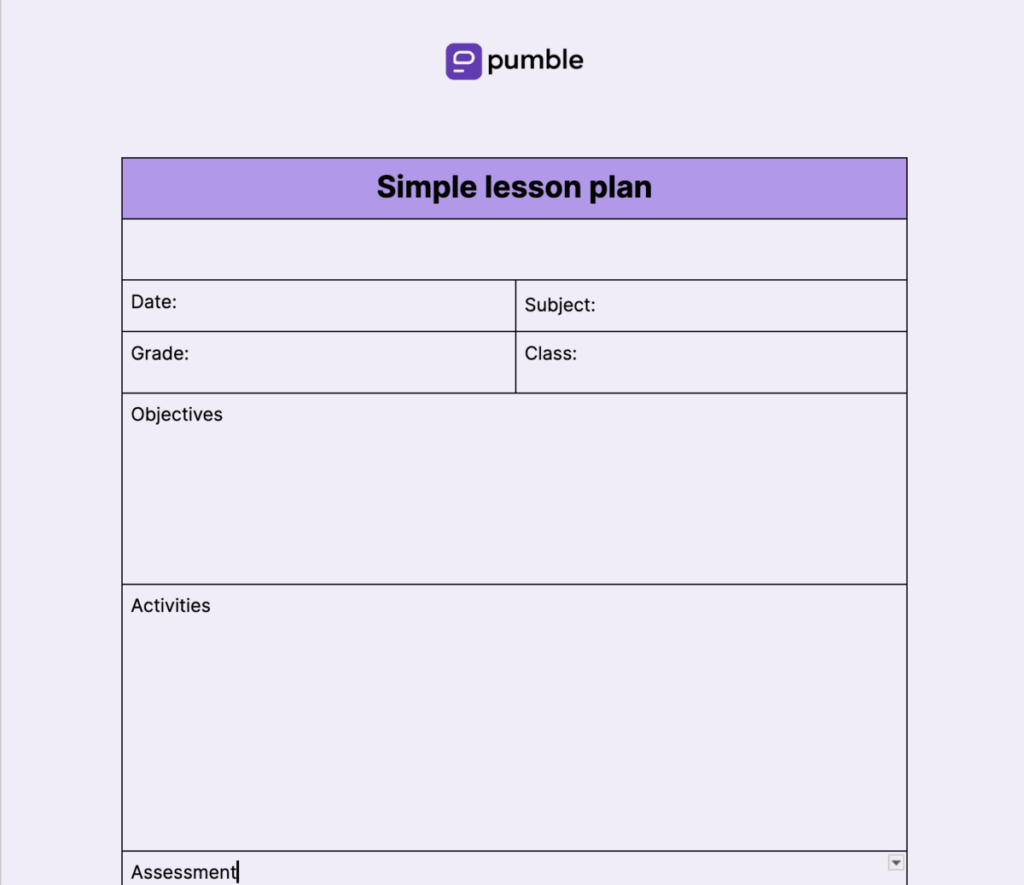
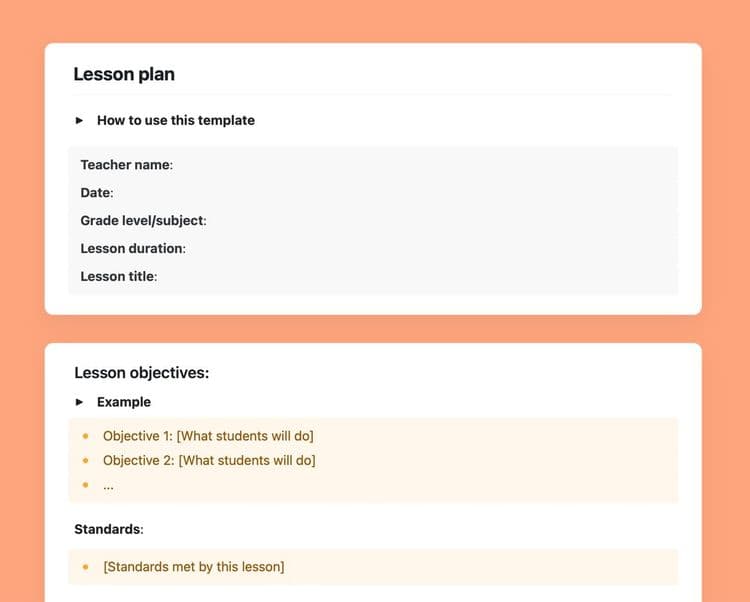
This printable resource systematically outlines the objectives, materials, and execution strategies required for the next lesson, aligning with rigorous Academic standards to ensure comprehensive coverage of core competencies. By translating broad educational theories into actionable, bite-sized components, the layout supports diverse learning modalities through targeted exercises and reflective prompts. Users benefit from a cohesive design that connects previous knowledge bases directly to upcoming challenges, reinforcing continuity and progressive difficulty.
Key Learning Outcomes
Targeted execution of the next lesson fosters critical thinking by challenging learners to apply prior insights to novel scenarios. Participants systematically enhance organizational efficiency through structured Administrative tracking tools that monitor completion rates and objective mastery. Furthermore, learners cultivate self-regulation strategies by actively reviewing their progress, identifying knowledge gaps, and setting specific milestones for future study sessions.
Overview & Skill Breakdown
| Focus Area | Target Skill | Best Practice |
|---|---|---|
| Preparation | Resource Organization | Review prerequisite materials prior to printing. |
| Execution | Active Engagement | Implement guided practice sections sequentially. |
| Reflection | Progress Monitoring | Evaluate mastery through summative prompts. |
How to Use This Worksheet
Successful implementation of the next lesson begins with distributing the printed material ahead of the instructional period, allowing learners to familiarize themselves with upcoming vocabulary and core themes. Instructors can utilize the structured sections to facilitate guided group discussions, independent practice, or formative assessments tailored to specific developmental stages. Integrating this tool into daily routines creates a reliable rhythm that supports both Early Learning milestones and advanced Personal Growth trajectories.
Practical Tips for Success
Optimal preparation involves organizing all requisite writing implements and reference guides before the session commences to eliminate unnecessary distractions. During execution, encourage learners to articulate their reasoning aloud or annotate marginal notes directly onto the page to deepen comprehension. For effective extension, conclude the activity by prompting students to formulate one exploratory question regarding the next lesson, transforming passive completion into active intellectual curiosity.
Stage-Appropriate Recommendations
Adapting the next lesson for different developmental stages requires careful alignment with established educational frameworks. According to the National Association for the Education of Young Children (NAEYC), scaffolding instruction through tactile, highly visual printables is essential for reinforcing conceptual continuity in developing learners. Beginners benefit from simplified layouts featuring ample white space and explicit directional cues, while advanced participants thrive on open-ended inquiry prompts, analytical problem-solving matrices, and self-directed pacing schedules that encourage autonomous exploration.
Structured curriculum pacing and clear transitional markers significantly improve long-term information retention and student engagement across diverse learning environments. — National Education Association
Frequently Asked Questions
Q: How do I download the next lesson printable?
A: Click the download button on the resource page to instantly save the high-resolution PDF file to any device for immediate printing.
Q: What are the practical benefits of using this layout?
A: It streamlines curriculum planning, reduces transition anxiety, and provides a clear roadmap for achieving specific educational goals.
Q: Which trusted framework informs this design?
A: The structure integrates guidelines from the NAEYC and National Education Association regarding effective cognitive pacing.
Explore More Free Printable Resources
Discover an extensive collection of expertly crafted educational tools designed to elevate instruction and organization at Free Printable For You. Every template is thoughtfully engineered to support educators, parents, and learners on their continuous journey toward academic excellence.
Images References